Huizhou Henhui Electronics Technology Co., Ltd.

分类: 未分类

  • GU10 LED vs Halogen: Energy Efficiency & Brightness

    GU10 LED vs Halogen: Energy Efficiency & Brightness

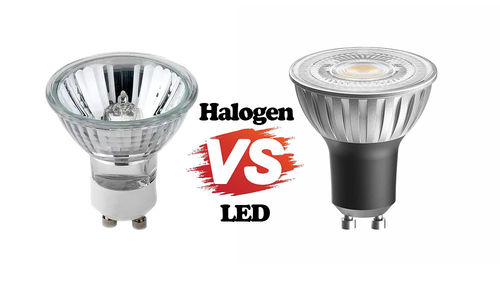
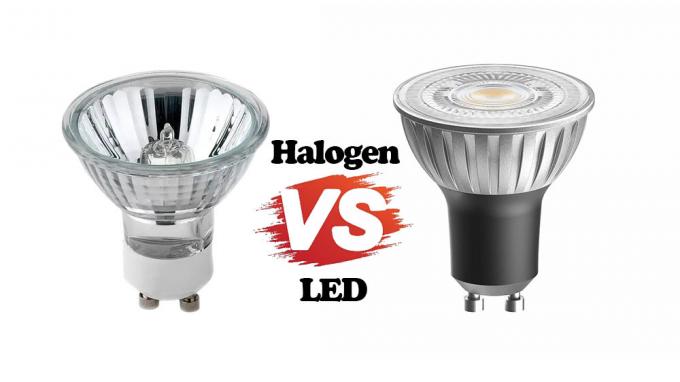
    Choosing between GU10 LED and halogen bulbs is a common dilemma for homeowners, business owners, and lighting professionals. Both technologies have their strengths, but they differ significantly in energy efficiency, brightness, lifespan, and practical applications. This comprehensive guide will help you understand the key differences and make an informed decision for your lighting needs.

    What Are GU10 Bulbs?

    GU10 bulbs are a popular spotlight type featuring a twist-and-lock base with two pins spaced 10mm apart. They are widely used in:

    • Recessed ceiling fixtures

    • Track lighting

    • Pendant lights

    • Kitchen and bathroom lighting

    Both LED and halogen GU10 bulbs offer focused lighting, making them ideal for accent, task, or ambient illumination.

    **
    GU10 LED vs Halogen: Energy Efficiency & Brightness  0

    **

    Energy Efficiency Comparison

    LED: The Clear Winner in Efficiency

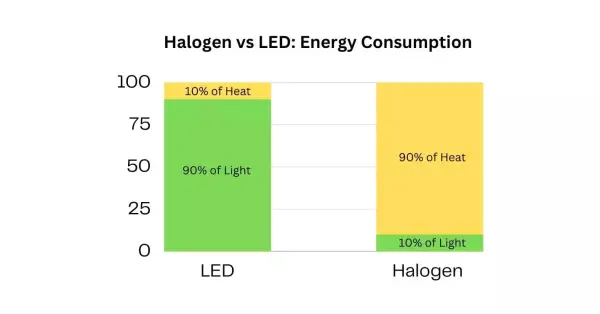
    • LEDs convert 80-90% of energy into light rather than heat.

    • Typical GU10 LED bulbs produce 75-200 lumens per watt.

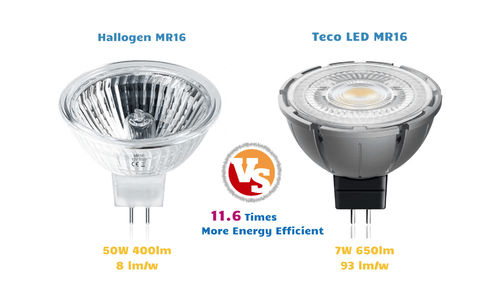
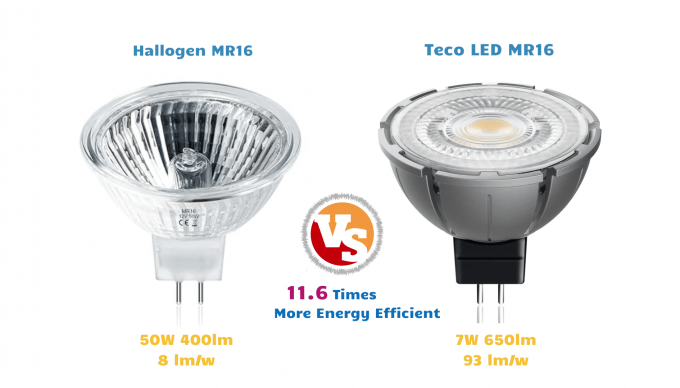
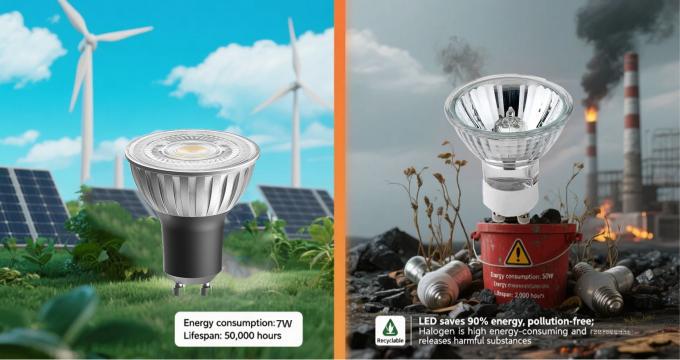
    • A 5W GU10 LED matches the brightness of a 50W halogen bulb.

    • Annual running cost for a 5W LED (8 hours/day): approximately £2.

    Halogen: High Energy Consumption

    • Halogen bulbs convert only 20% of energy into light; the rest becomes heat.

    • Typical GU10 halogen bulbs produce 16-25 lumens per watt.

    • A 50W halogen is needed to match a 5W LED’s output.

    • Annual running cost for a 50W halogen (8 hours/day): approximately £11.

    **
    GU10 LED vs Halogen: Energy Efficiency & Brightness  1

    **

    Brightness and Light Quality

    Brightness Output

    Despite lower wattage, modern GU10 LEDs can easily match or exceed the brightness of halogen bulbs.

    Bulb Type Wattage Lumens Efficiency (lm/W) Halogen Equivalent
    LED 4.5W 345 77 50W
    LED 6.2W 575 93 80W
    Halogen 35W 300 8.6
    Halogen 50W 400 8

    Light Quality Factors

    • Color Rendering Index (CRI): Halogen bulbs have a CRI near 100 (excellent color accuracy). Quality LEDs achieve CRI between 80 and 98.

    • Color Temperature: LEDs cover a wide range (2700K-5000K+), while halogens are typically warm (2700K-3000K).

    • Beam Angle: LEDs offer a variety of beam angles (36°-60°), while halogens are usually around 36°.

    • Instant Brightness: LEDs reach full brightness instantly; halogens have minimal warm-up time.

    Lifespan and Maintenance

    Dramatic Difference in Longevity

    • GU10 LED: 15,000–50,000 hours (15–50 years at 3 hours/day)

    • GU10 Halogen: 1,000–2,000 hours (1–2 years at 3 hours/day)

    This means fewer replacements and lower maintenance costs with LEDs, especially in hard-to-reach fixtures.

    Comparison GU10 Halogen Bulb   GU10 LED Bulb 
    Average Lifespan 800–2,000 hours 25,000–40,000 hours
    Replacement Rate High Low
    Heat Output  High Low
    Maintenance Cost High Low
    Energy Saving Effect  Low  High (saves about 75%–80%)

    Cost Analysis: Upfront and Long-Term

    Initial Investment

    • GU10 LED: £4–£12 per bulb

    • GU10 Halogen: £1–£3 per bulb

    5-Year Total Cost (Per Bulb, Including Purchase and Energy)

    Bulb Type Initial Cost Replacements Energy Cost 5-Year Total
    GU10 LED £8 £0 £10 £18
    GU10 Halogen £3 £9 £55 £67

    While LEDs cost more upfront, their efficiency and longevity result in significant savings within the first year.

    Environmental Impact

    Sustainability Considerations

    • Energy Consumption: LEDs use 80–90% less electricity, reducing carbon footprint.

    • Bulb Disposal: LEDs last longer, resulting in less waste, though they contain electronic components.

    • Heat Production: Halogen bulbs emit more heat, potentially increasing cooling costs.

    • Manufacturing Impact: LEDs have a higher initial manufacturing impact but a lower lifetime impact due to longevity.

    **
    GU10 LED vs Halogen: Energy Efficiency & Brightness  2

    **

    Practical Applications

    Where Each Technology Excels

    GU10 LED

    • Living Areas: Efficient lighting for daily use.

    • Offices: Flicker-free, consistent illumination.

    • Retail: Long-lasting, low-maintenance.

    • Outdoors: Weather-resistant options.

    • Smart Homes: Compatible with smart lighting systems.

    GU10 Halogen

    • Art Displays: Superior color rendering for artwork.

    • Temporary Installations: When initial cost is the main concern.

    • Warm Ambiance: Ideal for restaurants or cozy spaces.

    • Photography Studios: Consistent color temperature.

    Installation and Compatibility

    • Fixture Compatibility: Most GU10 fixtures accept both LED and halogen bulbs.

    • Dimmer Switches: Dimmable LEDs require compatible dimmers.

    • Heat Management: Halogen fixtures must tolerate higher temperatures.

    • Size Variations: Some LEDs may be slightly longer than halogens.

    • Voltage: Both operate on standard household voltage.

    **
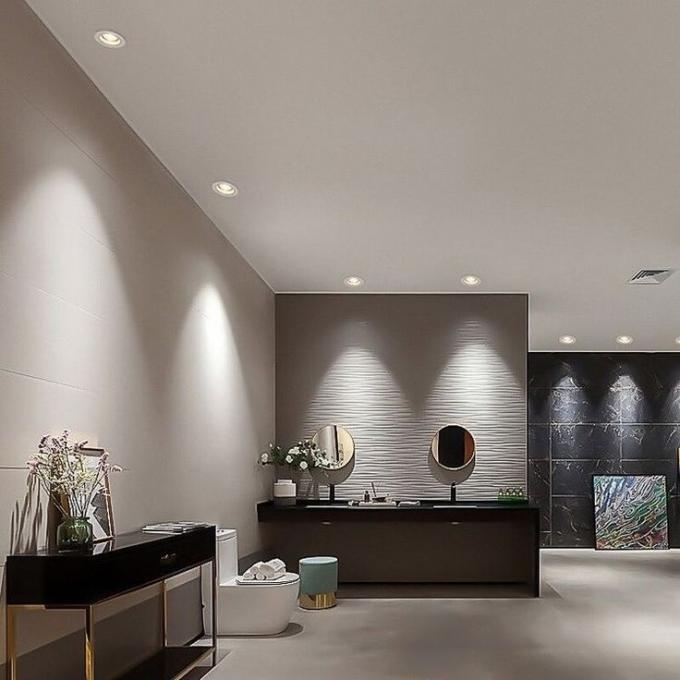
    GU10 LED vs Halogen: Energy Efficiency & Brightness  3

    **

    Brand Comparison

    Brand LED Price Range Notable Features Warranty
    Philips £6–£10 High CRI, wide beam options 5–7 years
    Osram £5–£8 Energy efficient, good dimming 3–5 years
    Ikea £4–£7 Affordable, reliable 2–3 years
    GE Lighting £7–£12 Long lifespan, premium quality 5–10 years
    Teco £3–£6 High CRI, Affordable, good dimming 3–5 years

    Frequently Asked Questions

    Q: Can I replace halogen GU10 bulbs with LED directly?
    A: Yes, most GU10 LEDs are designed as direct replacements and fit existing fixtures.

    Q: Why do my LED GU10 bulbs flicker when dimmed?
    A: Flickering usually occurs with incompatible dimmer switches. Use trailing-edge dimmers for best results.

    Q: Are GU10 LEDs worth the higher price?
    A: Yes. LEDs pay for themselves within 1–2 years through energy savings and reduced replacements.

    Q: How do I know if my fixture is compatible with GU10 LEDs?
    A: Most modern fixtures are compatible. Check the maximum wattage and ensure proper ventilation.

    Q: What color temperature should I choose for my home?
    A: Warm white (2700K–3000K) for living areas; cool white (4000K–5000K) for workspaces.

    Conclusion

    When comparing GU10 LED and halogen bulbs, the differences in energy efficiency, brightness, lifespan, and environmental impact are clear. For most modern applications, GU10 LEDs offer superior performance, significant cost savings, and greater versatility. However, halogen bulbs may still be preferred in specific scenarios where color rendering and initial cost are paramount.
  • Are There LED Bulbs That Don’t Flicker? A Deep Dive into Flicker-Free LED Lighting

    Are There LED Bulbs That Don’t Flicker? A Deep Dive into Flicker-Free LED Lighting

    Are There LED Bulbs That Don’t Flicker? A Deep Dive into Flicker-Free LED Lighting

    The shift to LED lighting has been one of the most significant advances in modern illumination, driven by energy efficiency, long lifespan, and environmental benefits. Yet, a persistent complaint among users is the issue of the LED flicker phenomenon that can cause discomfort, health issues, and even impact productivity. This comprehensive guide explores whether truly flicker-free LED bulbs exist, what causes flicker, how to identify and prevent it, and what the future holds for LED lighting.

    Understanding LED Flicker: What Is It and Why Does It Matter?

    LED flicker refers to rapid fluctuations in light output, which can be either visible (perceptible to the naked eye) or invisible (imperceptible but still physiologically impactful). Unlike traditional incandescent bulbs, which have a natural persistence due to their filament, LEDs operate by rapidly switching on and off in response to electrical current. Any instability in the power supply, driver circuitry, or dimming system can cause these fluctuations, leading to flicker.

    Why Is Flicker a Problem?

    • Health and Comfort: Flicker can cause eye strain, headaches, migraines, and in sensitive individuals, more severe symptoms such as nausea, spatial disorientation, and sleep disturbances.

    • Productivity: Flicker can reduce concentration and productivity, especially in environments where visual tasks are critical.

    • Special Populations: People with neurological sensitivities (such as those with migraines, epilepsy, or recovering from concussion) are particularly vulnerable to flicker-induced symptoms.

    • Visual Quality: Flicker can affect the quality of photography and videography, causing banding and artifacts in images and recordings.

    What Causes LED Flicker?

    LED flicker is a multifactorial issue, often resulting from a combination of design, installation, and environmental factors:

    • Power Supply Irregularities: Fluctuations in voltage or frequency, especially if the frequency drops below 50Hz, can cause visible flicker.

    • Driver Quality: The LED driver regulates power to the LED. Poor-quality drivers or failing components are a leading cause of flicker.

    • Incompatible Dimmers: Many legacy dimmer switches are not designed for LEDs, leading to inconsistent current and flicker.

    • Wiring Issues: Loose or incorrect wiring can disrupt the steady flow of electricity, causing flicker.

    • Circuit Overloading: Connecting too many LEDs to a single circuit can overload it, resulting in unstable power delivery and flicker.

    • External Interference: Electromagnetic interference (EMI) or radio frequency (RF) interference from other electronics can disrupt LED operation.

    • Inferior LED Bulbs: Low-quality bulbs often use cheaper components and lack proper circuitry, making them more prone to flicker.

    Health Impacts: More Than Just Annoyance

    Flicker is not just a visual nuisance. Research and surveys indicate that LED flicker can trigger a range of symptoms, especially in sensitive individuals. These include headaches, eye pain, dry eyes, difficulty concentrating, memory issues, sleep disturbances, anxiety, and even symptoms resembling concussion or migraine. While not everyone is equally affected, the overlap with symptoms of other neurological conditions suggests that flicker may trigger or exacerbate underlying nervous system pathways and neuroinflammatory responses.

    Are Flicker-Free LED Bulbs Available?

    Yes, flicker-free LED bulbs do exist, and technology is rapidly improving in this area. Leading manufacturers now offer bulbs specifically designed to minimize or eliminate flicker, often labeled as “flicker-free” or “low-flicker.” Some of the best-performing options have flicker rates below 2%, which is even lower than most incandescent bulbs.

    Top Flicker-Free LED Bulb Options

    Brand/Model Flicker Rate Features
    Bedtime Bulb Very warm, high CRI, ideal for bedrooms
    SYLVANIA TruWave Natural Series A21 1.2% High CRI, flicker-free on any dimmer
    Waveform SUPERWARM Flicker-Free LED Bulb Non-dimmable, very warm color temperature
    Waveform CENTRIC HOME Flicker-Free LED Bulb High color accuracy, home lighting
    Philips LED Flicker-Free Dimmable A19 (EyeComfort) 2.5% Dimmable, daylight and soft white options
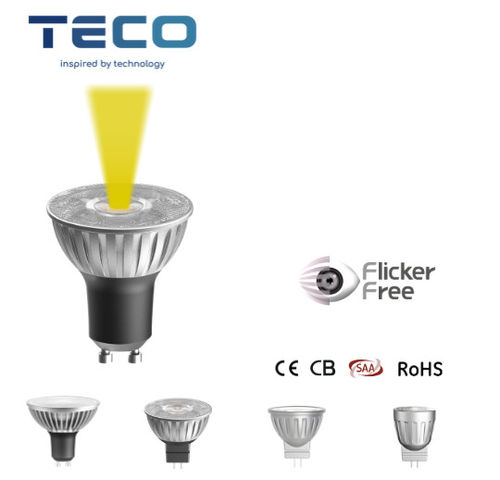
    Teco Flicker-Free Bulb Dimmable, home lighting, Ra98

    These bulbs have been independently measured with specialized meters to ensure low flicker levels.

    Are There LED Bulbs That Don’t Flicker? A Deep Dive into Flicker-Free LED Lighting  0

    How Is Flicker Prevented in Modern LED?

    Recent innovations in LED drivers and dimming technology have made flicker-free lighting more accessible:

    • Advanced Driver Circuits: Modern drivers use capacitors and feedback mechanisms to maintain a constant current, smoothing out any power supply fluctuations.

    • PWM (Pulse Width Modulation) Improvements: New dimming techniques, such as dual-control PWM, allow for smooth dimming without strobing, even at low brightness levels.

    • Low-Pass Filtering: Adding resistor-capacitor modules filters out current ripples, preventing flicker at low light levels.

    • Smart Dimming Controls: Professional dimming solutions now blend color and intensity adjustments without introducing flicker, enhancing visual comfort in both residential and commercial settings.

    How to Identify Flicker-Free LED Bulbs

    Not all flicker is visible. Here’s how you can test for flicker:

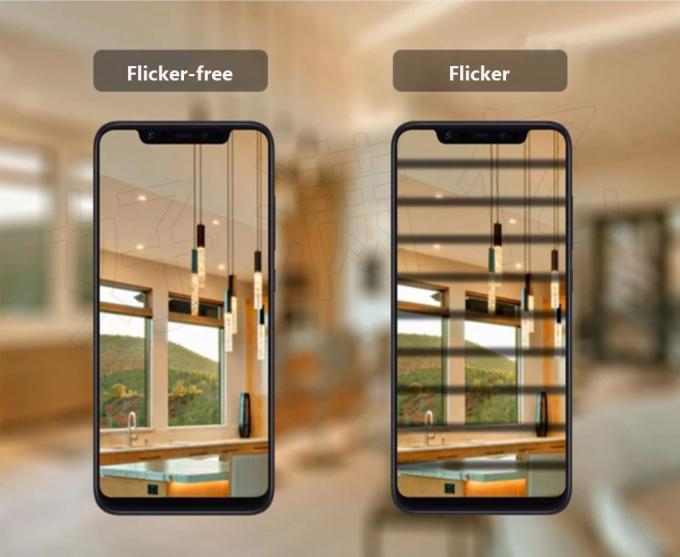
    • Smartphone Camera Test: Point your phone’s camera at the bulb. If you see rolling bands or strobing, the bulb is flickering.

    • Slow-Motion Video: Record the bulb in slow motion; flicker will appear as dark bands moving across the screen.

    • Flicker Meters: Devices like the Radex Lupin can quantify flicker percentage and frequency.

    • Manufacturer’s Claims: Look for “flicker-free” or “low-flicker” labeling, but always verify with independent reviews or measurements.

    Practical Tips for Achieving Flicker-Free Lighting

    • Buy Quality: Choose bulbs from reputable brands with proven flicker-free performance.

    • Check Compatibility: Use LED-compatible dimmer switches and avoid mixing old and new dimmers in the same circuit.

    • Avoid Overloading Circuits: Don’t connect too many LEDs to one circuit; consult an electrician if in doubt.

    • Address Wiring Issues: Ensure all wiring is secure and up to code.

    • Reduce External Interference: Keep sensitive LED circuits away from sources of EMI or RF interference.

    • Upgrade Drivers: For commercial or high-end residential applications, consider upgrading to professional-grade LED drivers and dimming systems.

    The Future of Flicker-Free LED Lighting

    The LED industry is rapidly evolving, with a strong focus on improving light quality and user comfort. Key trends shaping the future include:

    • Smart Lighting Controls: Integration with IoT and network lighting controls allows for precise, adaptive, and flicker-free illumination tailored to user needs.

    • Regulatory Standards: As awareness of flicker’s health impacts grows, expect stricter standards and certifications for flicker-free lighting.

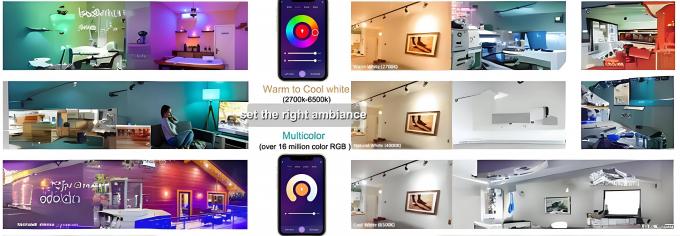
    • Customization: LEDs now offer tunable white and RGB options, with advanced controls to maintain flicker-free performance across all settings.

    • Sustainability: Flicker-free LEDs contribute to sustainable lighting by reducing waste (longer lifespan) and improving user well-being, which supports broader adoption.

    Are There LED Bulbs That Don’t Flicker? A Deep Dive into Flicker-Free LED Lighting  1

    Frequently Asked Questions

    Q: Are all “flicker-free” bulbs truly flicker-free?
    A: Not always. “Flicker-free” is not a regulated term in all markets, so independent testing or trusted reviews are essential.

    Q: Is invisible flicker a problem?
    A: Yes. Even if you can’t see the flicker, your brain and eyes can still be affected, especially after prolonged exposure.

    Q: Can I retrofit my existing fixtures for flicker-free lighting?
    A: In most cases, by upgrading to quality bulbs and compatible dimmers or drivers.

    Conclusion

    Flicker-free LED bulbs are not only available but are becoming the standard for those seeking healthy, comfortable, and reliable lighting. By understanding the causes of flicker, choosing the right products, and implementing best practices in installation and control, you can create an environment that maximizes both visual comfort and well-being. As technology continues to advance, expect even more options for flicker-free, smart, and sustainable LED lighting in the years ahead.

    For the best results, always invest in high-quality, independently tested, flicker-free LED bulbs and pair them with compatible dimmers and drivers. Your eyes- and your overall health- will thank you.

  • GU10 LED Bulb: Uses, Benefits, and Buying Guide

    GU10 LED Bulb: Uses, Benefits, and Buying Guide

    GU10 LED bulbs have surged in popularity for their energy efficiency, long lifespan, and superior lighting quality. Whether upgrading your home or enhancing a commercial space, these bulbs are a smart choice. This guide explains what GU10 LED bulbs are, their applications, advantages, and how to choose the best one for your needs.

    What is a GU10 LED Bulb?

    A GU10 LED bulb features a GU10 base with two 10 mm-spaced pins that twist and lock into a socket. Unlike traditional GU10 halogen bulbs, which consume high energy and emit significant heat, GU10 LED bulbs use light-emitting diode technology for better efficiency and durability. They’re ideal for spotlights and downlights in homes, offices, and retail spaces.

    GU10 LED Bulb: Uses, Benefits, and Buying Guide  0

    Key Uses of GU10 LED Bulbs

    GU10 LED bulbs are versatile, catering to various lighting needs:

    • Home Lighting
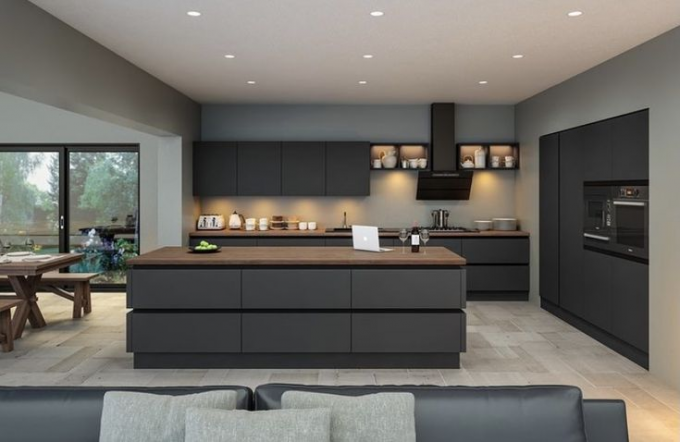
      GU10 LEDs illuminate kitchens, living rooms, and hallways. For example, a family in Shanghai replaced halogen bulbs with 500-lumen GU10 LEDs over their kitchen island, saving 100 kWh annually.

    Commercial Lighting
    Retail stores and hotels use GU10 LEDs to highlight products or create ambiance. Their high Color Rendering Index (CRI) ensures vibrant displays, as seen in a London boutique that boosted sales by showcasing clothing under 3000K GU10 LEDs.

    • Decorative Lighting
      Compact and focused, GU10 LEDs enhance artwork or accent walls. A warm white GU10 LED can make a painting in your living room pop.

    Energy-Saving Retrofits
    Replacing GU10 halogen bulbs with LEDs can cut energy use by up to 85–90%, according to industry data, significantly reducing electricity bills and environmental impact.

    GU10 LED Bulb: Uses, Benefits, and Buying Guide  1

    Advantages of GU10 LED Bulbs

    1. Exceptional Energy Efficiency

    GU10 LED bulbs use 3- 7W to match the brightness of 20-50W halogen bulbs, saving up to 80% on energy, according to the U.S. Department of Energy. This slashes electricity costs and carbon emissions.

    2. Extended Lifespan

    With a lifespan of 25,000–50,000 hours, GU10 LEDs last 10–20 times longer than halogens, reducing replacement frequency.

    3. Minimal Heat Output

    LEDs emit little heat, enhancing safety and maintaining comfortable indoor temperatures, especially in summer.

    4. Superior Light Quality

    Available in warm white (2700K–3000K), natural white (3500K–4500K), and cool white (5000K–6500K), GU10 LEDs suit any mood. A CRI above 80 ensures true-to-life colors.

    5. Instant, Flicker-Free Lighting

    GU10 LEDs light up instantly and deliver stable illumination, protecting eyes during prolonged use.

    **

    GU10 LED Bulb: Uses, Benefits, and Buying Guide  2

    **

    How to Choose the Best GU10 LED Bulb

    Selecting the right GU10 LED bulb involves these key factors:

    1. Brightness (Lumens)

    Brightness, measured in lumens, ranges from 300–600 lm for GU10 LEDs. Choose 500+ lm for kitchens or workspaces and 300–400 lm for cozy living rooms. For example, a 550-lm bulb is ideal for task lighting over a desk.

    2. Color Temperature

    • Warm White (2700K–3000K): Cozy, ideal for bedrooms.

    • Natural White (3500K–4500K): Balanced, great for kitchens.

    • Cool White (5000K–6500K): Crisp, suited for offices.
      Check product labels to match your space’s needs.

    3. Color Rendering Index (CRI)

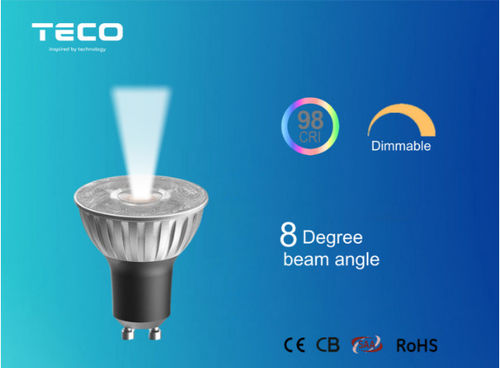
    Opt for a CRI above 90 for accurate colors, especially for art displays or retail. Some premium GU10 LEDs offer CRI 98+.

    4. Wattage and Efficiency

    GU10 LEDs (3–7W) replace 20–50W halogens. A 5W GU10 LED yielding 400 lm is a versatile choice for most homes.

    5. Brand and Reliability

    Choose trusted brands like Philips, Osram, or Teco with certifications (e.g., CE, RoHS). Check warranties (typically 2–5 years) and user reviews.

    GU10 LED Bulb: Uses, Benefits, and Buying Guide  3

    Installation and Maintenance Tips

    Installing GU10 LED bulbs is simple: turn off the power, insert the pins, and twist to lock. Avoid damp environments and handle bulbs gently to maximize their lifespan. Clean fixtures periodically to maintain brightness.

    **

    GU10 LED Bulb: Uses, Benefits, and Buying Guide  4

    **

    Conclusion

    GU10 LED bulbs combine energy efficiency, durability, and versatility, making them perfect for homes, businesses, and decorative projects. By choosing the right brightness, color temperature, and CRI, you can create an ideal lighting environment while saving on energy costs. Ready to upgrade? Explore our curated GU10 LED bulb recommendations at www.tecolite.com or share your lighting needs in the comments below!

    For more tips on LED lighting or to discover the best GU10 LED bulbs for your space, visit www.tecolite.com or follow us on Tecolite LED for the latest lighting trends!

  • How Long Do MR16 LED Bulbs Last? A Complete Lifespan Guide

    How Long Do MR16 LED Bulbs Last? A Complete Lifespan Guide

    Introduction:

    When investing in lighting solutions for your home or business, understanding the lifespan of different bulb types helps you make informed decisions. MR16 LED bulbs have become increasingly popular replacements for traditional halogen MR16s, primarily due to their energy efficiency and extended lifespan. This article explores how long MR16 LED bulbs typically last, the factors affecting their longevity, and how to maximize their useful life.

    How Long Do MR16 LED Bulbs Last? A Complete Lifespan Guide  0

    Average Lifespan of MR16 LED Bulbs

    MR16 LED bulbs boast impressive longevity compared to their halogen counterparts. While traditional halogen MR16 bulbs typically last between 2,000 to 5,000 hours, LED versions dramatically outperform them:

    • Standard MR16 LED bulbs: 15,000 to 25,000 hours

    • Premium MR16 LED bulbs: 25,000 to 50,000 hours

    • Commercial-grade MR16 LED bulbs: Up to 50,000+ hours

    To put these numbers in perspective, if an MR16 LED operates for approximately 5 hours per day, a 25,000-hour bulb would theoretically last about 13-14 years. Compare this to a halogen MR16 that might need replacement after just 1-2 years under the same conditions.

    [IMAGE: A graphic visualization showing the lifespan comparison between halogen MR16 (3,000 hours) and LED MR16 (25,000 hours) with a timeline demonstrating years of use]

    What Affects the Lifespan of MR16 LED Bulbs?

    Several key factors influence how long your MR16 LED bulbs will last:

    1. Heat Management

    MR16 LEDs generate less heat than halogens, but heat management remains crucial to their longevity.

    [IMAGE: A thermal image or cutaway diagram showing heat dissipation in an MR16 LED bulb with heat sink components visible]

    Quality MR16 LED bulbs feature effective heat sinks that dissipate heat away from sensitive electronic components. Poor heat management accelerates LED degradation and shortens lifespan. Enclosed fixtures that trap heat around the bulb can significantly reduce an LED’s expected life.

    2. Driver Quality

    The driver is essentially the “brain” of an LED bulb, converting incoming electricity to the appropriate current for the LED chip.

    [IMAGE: Close-up of an MR16 LED bulb with the driver components visible or highlighted]

    Low-quality drivers are often the first component to fail in LED bulbs. Premium MR16 LEDs contain better driver components designed to withstand power fluctuations and operate efficiently over many years.

    3. Operating Environment

    Environmental conditions significantly impact MR16 LED lifespan:

    • Temperature: Extreme heat or cold can shorten LED life

    • Humidity: Excessive moisture may damage electronic components

    • Voltage fluctuations: Unstable power supply accelerates component degradation

    • Vibration: Regular shaking or vibration can damage internal connections

    4. Usage Patterns

    How you use your MR16 LED bulbs affects their longevity:

    • Switching frequency: Frequent on/off cycling can reduce lifespan

    • Dimming compatibility: Using non-compatible dimmers may damage LEDs

    • Hours of operation: LEDs in continuous operation may degrade faster than those used intermittently

    Understanding LED Lifespan Ratings

    When shopping for MR16 LED bulbs, you’ll encounter various lifespan specifications that can be confusing. Here’s what they mean:

    L70, L80, and L90 Ratings

    [IMAGE: A graph showing light output degradation over time with L70, L80, and L90 points marked]

    LED bulbs gradually dim over their lifetime rather than suddenly burning out. Manufacturers use L-ratings to indicate when light output is expected to decrease to a certain percentage of the original brightness:

    • L70: The point when the light output reaches 70% of the original brightness

    • L80: The point when the light output reaches 80% of the original brightness

    • L90: The point when the light output reaches 90% of the original brightness

    Most consumer-grade MR16 LED lifespan ratings refer to L70 values. This means a 25,000-hour rated bulb should maintain at least 70% of its original brightness for 25,000 hours.

    MR16 LED vs Other Lighting Options

    Comparing the lifespan of MR16 LEDs to other common lighting technologies:

    Bulb Type Average Lifespan (Hours)
    Incandescent 1,000 – 2,000
    Halogen MR16 2,000 – 5,000
    CFL 8,000 – 15,000
    MR16 LED 15,000 – 50,000

    [IMAGE: A visual comparison chart showing the relative lifespans of different bulb types with MR16 LED clearly showing superior longevity]

    Cost Effectiveness Over Time

    While MR16 LED bulbs typically cost more upfront than halogen alternatives, their extended lifespan and energy efficiency deliver significant long-term savings:

    • Replacement frequency: Fewer bulb changes mean lower maintenance costs

    • Energy consumption: MR16 LEDs use 80-90% less electricity than equivalent halogen bulbs

    • Cooling costs: LEDs generate less heat, potentially reducing air conditioning expenses

    A quality MR16 LED might cost 8-15 compared to3-5 for a halogen version. However, the LED will last 5-10 times longer while consuming significantly less electricity.

    How to Maximize Your MR16 LED Bulb Lifespan

    Follow these recommendations to get the most life from your MR16 LED bulbs:

    • Choose quality brands with reliable warranties and proven performance

    • Ensure proper fixture compatibility, especially regarding ventilation

    • Use compatible dimmers specifically designed for LED technology

    • Maintain a stable power supply and consider surge protectors in areas with frequent voltage fluctuations

    • Avoid installation in extremely hot locations where possible

    • Clean bulbs periodically to prevent dust buildup that can insulate and increase operating temperature

    [IMAGE: A properly installed MR16 LED in a well-ventilated fixture with good clearance around the bulb]

    Signs Your MR16 LED Is Reaching End of Life

    Unlike incandescent or halogen bulbs that simply burn out, MR16 LEDs show different signs of aging:

    • Noticeable dimming below acceptable light levels

    • Color shifting from the original light temperature

    • Flickering that wasn’t present when new

    • Intermittent operation where the light works sometimes but not always

    Conclusion:

    MR16 LED bulbs offer remarkable longevity compared to traditional lighting technologies, typically lasting between 15,000 to 50,000 hours depending on quality and operating conditions. While they require higher initial investment, their extended lifespan combined with significant energy savings makes them a cost-effective lighting solution over time.

    When purchasing MR16 LED bulbs, consider investing in quality brands that offer comprehensive warranties and provide detailed specifications. By understanding the factors that affect LED lifespan and following proper installation and maintenance practices, you can ensure your MR16 LED bulbs provide reliable illumination for many years to come.

    For the best results, choose MR16 LED bulbs from reputable manufacturers, ensure they’re installed in compatible fixtures with adequate ventilation, and use them with appropriate control systems. With proper selection and care, MR16 LED technology represents one of the most durable and efficient lighting options available today.

  • Types of Lighting Used in Hotels: A Comprehensive Guide

    Types of Lighting Used in Hotels: A Comprehensive Guide

    Introduction

    Lighting plays a crucial role in creating the perfect atmosphere in hotels. From welcoming lobbies to comfortable guest rooms, the right lighting enhances guest experiences while showcasing the hotel’s unique design and brand identity. This article explores the various types of lighting commonly used in hotels, their applications, and the latest trends in hotel lighting technology.

    Types of Lighting Used in Hotels: A Comprehensive Guide  0

    Key Types of Hotel Lighting

    Ambient Lighting

    Ambient lighting provides the main source of illumination in hotel spaces. It creates the overall brightness level and sets the foundation for other lighting layers.

    Common ambient lighting solutions in hotels include:

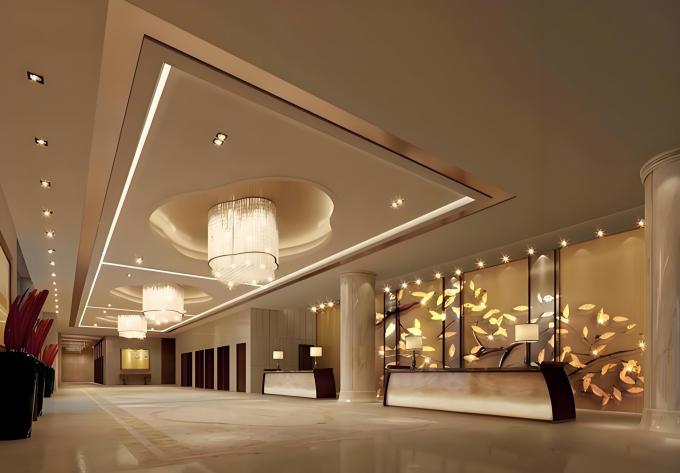
    • Chandeliers and pendant lights in lobbies and dining areas

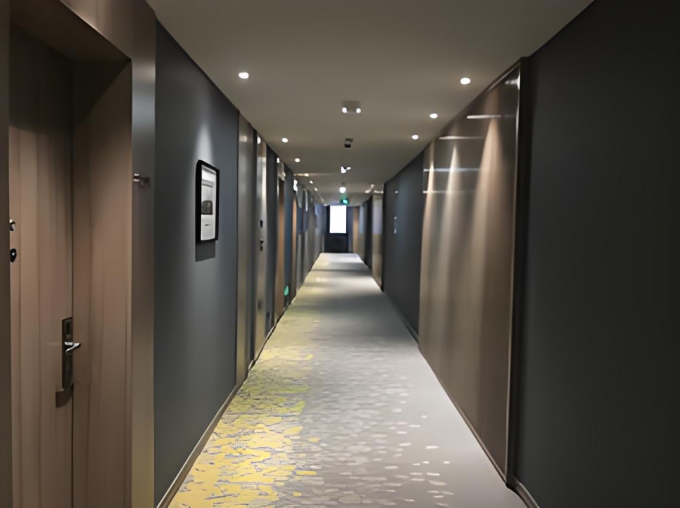
    • Recessed downlights in corridors and guest rooms

    • Cove lighting along ceiling edges for indirect illumination

    • Flush-mount ceiling fixtures in functional areas

    Types of Lighting Used in Hotels: A Comprehensive Guide  1

    The color temperature of ambient lighting is carefully selected to create the desired mood—warmer tones (2700K-3000K) for relaxing areas and cooler tones (3500K-4000K) for functional spaces where alertness is important.

    Task Lighting

    Task lighting focuses on specific areas where activities take place, providing adequate illumination for particular functions.

    Examples of task lighting in hotels include:

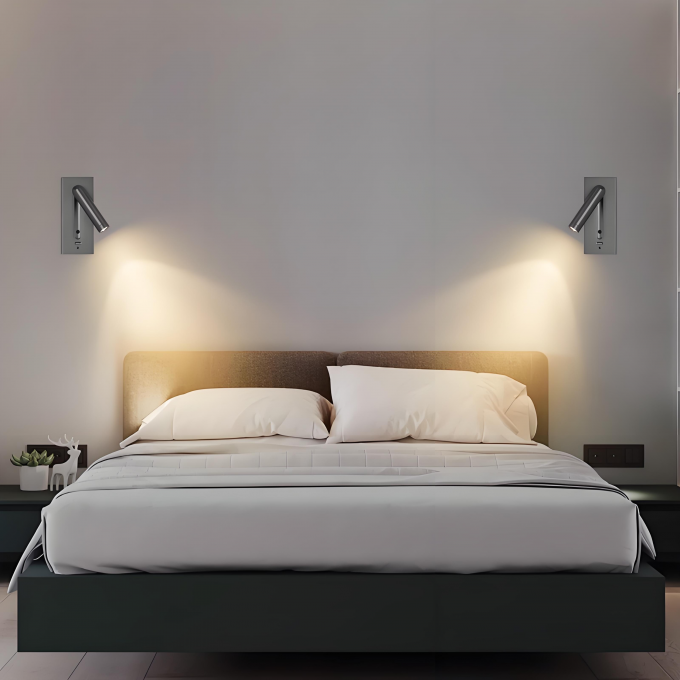
    • Reading lights mounted by the bed or on headboards

    • Desk lamps in work areas and writing desks

    • Vanity lighting around bathroom mirrors

    • Under-cabinet lighting in kitchenettes or minibar areas

    Types of Lighting Used in Hotels: A Comprehensive Guide  2

    Effective task lighting enhances guest comfort and convenience while allowing for lower levels of ambient lighting, creating a more intimate atmosphere.

    Accent Lighting

    Accent lighting highlights architectural features, artwork, and design elements. It adds visual interest and creates depth in hotel spaces.

    Popular accent lighting techniques include:

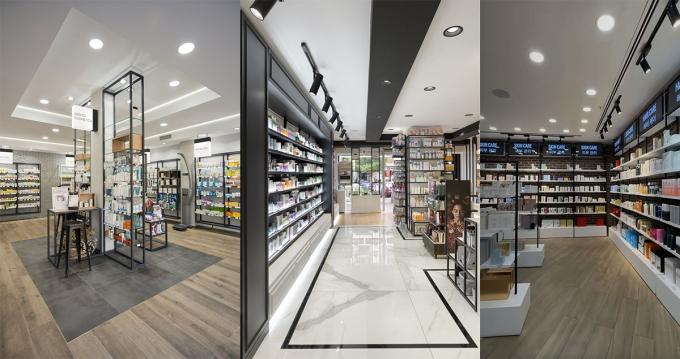
    • Wall sconces in corridors and transition areas

    • Picture lights illuminating artwork and photographs

    • Uplighting highlighting columns, plants, or textured walls

    • LED strip lighting accentuating architectural details

    Types of Lighting Used in Hotels: A Comprehensive Guide  3

    Accent lighting typically delivers three to five times more light on the focal point than the surrounding ambient lighting, creating visual contrast that draws attention to design features.

    Specialized Lighting Applications in Hotels

    Lobby and Reception Area Lighting

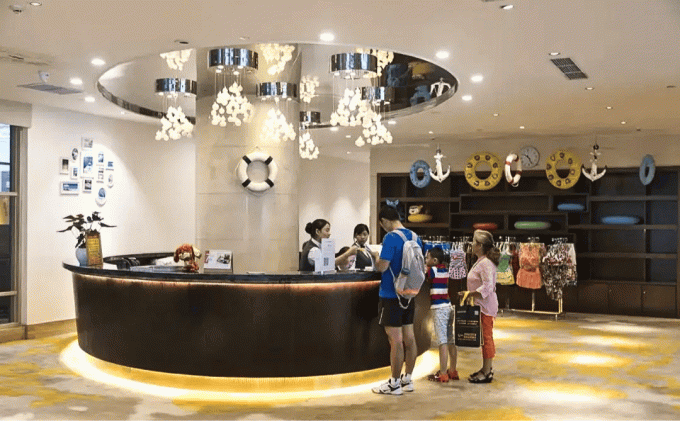
    The hotel lobby creates the first impression for guests, making lighting particularly important in this space.

    Types of Lighting Used in Hotels: A Comprehensive Guide  4

    Effective lobby lighting typically includes:

    • Statement lighting fixtures that reflect the hotel’s design aesthetic

    • Layered lighting creates distinct zones for reception, seating, and circulation

    • Dynamic lighting systems that adjust throughout the day

    • Strategic accent lighting highlighting architectural features and branding elements

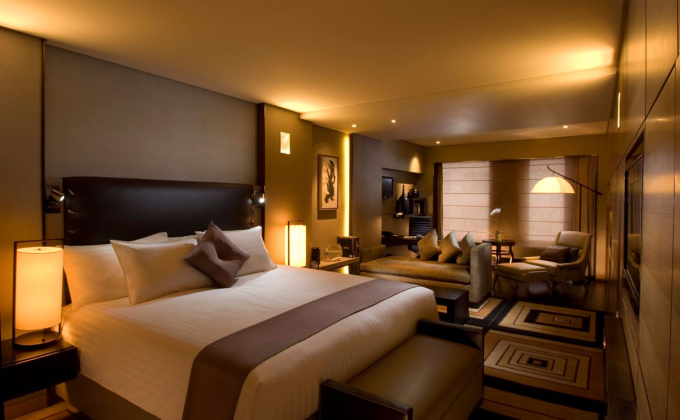
    Guest Room Lighting

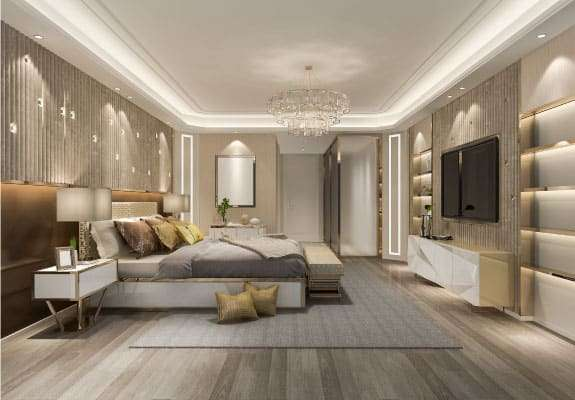
    Guest room lighting must be versatile enough to support multiple activities while creating a comfortable environment.

    Types of Lighting Used in Hotels: A Comprehensive Guide  5

    Key elements include:

    • Centralized controls allow guests to adjust lighting from entry points and bedside

    • Layered lighting combining ambient, task, and accent elements

    • Bathroom lighting that works for both grooming and relaxation

    • Energy-efficient solutions that reduce operational costs

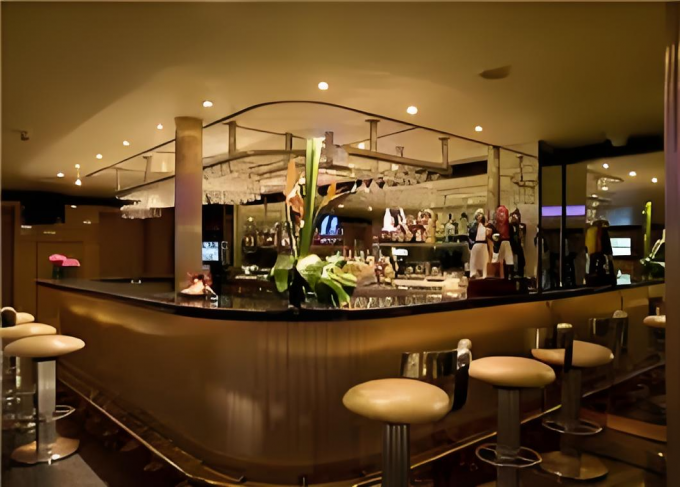
    Restaurant and Bar Lighting

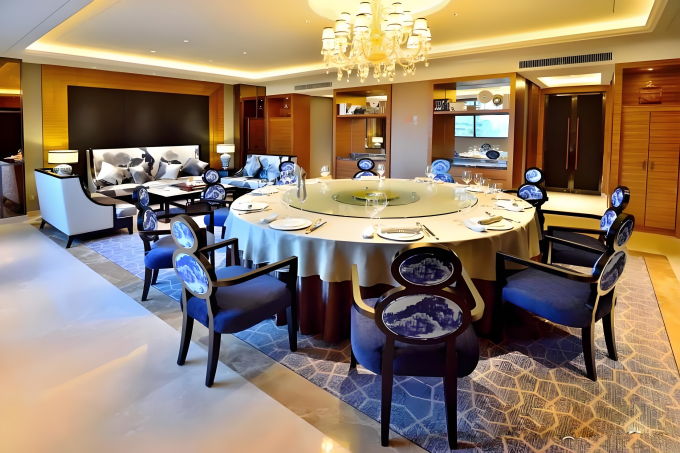
    Hotel restaurants and bars require lighting that creates an atmosphere while allowing guests to read menus and see their food properly.

    Types of Lighting Used in Hotels: A Comprehensive Guide  6

    Successful approaches include:

    • Adjustable systems that transition from daytime to evening settings

    • Focused table lighting creates intimate dining experiences

    • Decorative fixtures reinforcing the venue’s theme

    • Accent lighting highlighting food display areas and architectural features

    Technology Trends in Hotel Lighting

    Smart Lighting Systems

    Modern hotels increasingly implement intelligent lighting control systems that enhance guest experience while improving operational efficiency.

    Key features include:

    • Centralized management systems

    • Occupancy sensors adjusting lighting based on room presence

    • Scene-setting capabilities creating pre-programmed environments

    • Integration with property management systems

    Energy Efficiency Solutions

    Sustainability is driving many lighting decisions in the hospitality industry.

    [IMAGE: LED lighting fixtures being installed in a hotel ceiling, showcasing their compact size and energy efficiency]

    Popular approaches include:

    • LED technology replacing traditional halogen and incandescent lights

    • Daylight harvesting systems balancing artificial light with available natural light

    • Automated controls reduce energy waste in unoccupied spaces

    • Energy management systems integrating lighting with HVAC and other building systems

    Circadian Lighting

    Hotels are beginning to implement lighting that supports guests’ natural sleep-wake cycles.

    Types of Lighting Used in Hotels: A Comprehensive Guide  7

    Circadian lighting systems:

    • Adjust color temperature throughout the day

    • Provide energizing light in the morning

    • Transition to warmer, dimmer light in the evening

    • Support better sleep quality for guests still adjusting to new time zones

    Conclusion

    Hotel lighting design balances aesthetics, functionality, energy efficiency, and guest comfort. The thoughtful integration of ambient, task, and accent lighting creates environments that enhance the guest experience while supporting the hotel’s operational goals.

    As technology continues to evolve, hotels are finding new ways to personalize lighting experiences while reducing environmental impact. From dramatic lobby installations to subtle bedroom illumination, lighting remains one of the most important elements in creating memorable hotel environments that keep guests returning.

    For hoteliers planning renovations or new construction, investing in high-quality, adaptable lighting systems delivers returns through improved guest satisfaction, operational efficiency, and brand differentiation in a competitive marketplace.

  • Comprehensive Guide to MR8 MR11 MR16 and GU10 Bulbs

    Comprehensive Guide to MR8 MR11 MR16 and GU10 Bulbs

    Choosing the right type of light bulb is essential for creating the perfect lighting environment, whether for home, office, or commercial spaces. Among the many options available are MR8 MR11 MR16 and GU10 bulbs. These bulb types differ in size, application, and technical specifications, making it crucial to understand their differences. This guide will walk you through everything you need to know about these bulbs, helping you make informed purchasing decisions. For more detailed product information and selection, visit www.tecolite.com.

    MR Series Bulbs:

    The MR series, short for “Multifaceted Reflector,” features bulbs that integrate a built-in reflector to focus light beams, making them ideal for display, decorative, and accent lighting.

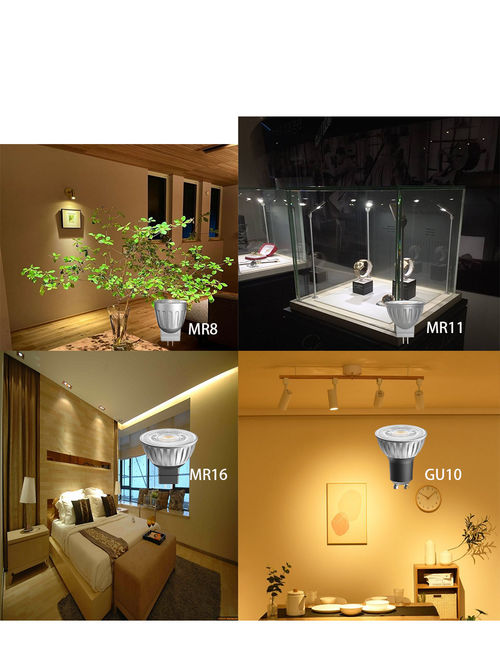
    MR8 Bulbs:

    Comprehensive Guide to MR8 MR11 MR16 and GU10 Bulbs  0

    • Diameter: Approximately 25mm (1 inch).

    • Key Features: The smallest in the MR family, suitable for areas with space constraints.

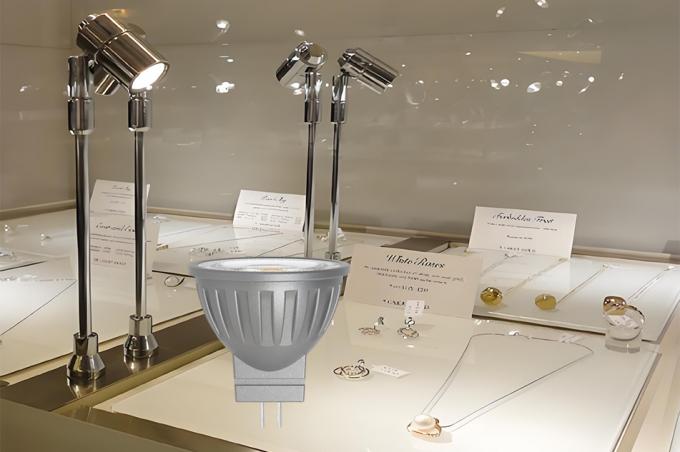
    • Common Uses: Display cabinets, showcases, and specific decorative lighting applications.

    MR11 Bulbs:

    Comprehensive Guide to MR8 MR11 MR16 and GU10 Bulbs  1

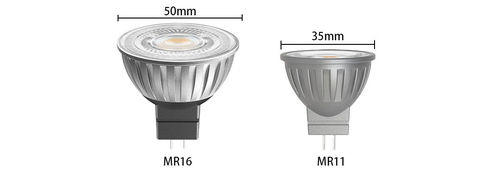
    • Diameter: Roughly 35mm.

    • Key Features: Medium size with varying beam angles.

    • Common Uses: Restaurants, hotels, retail stores for task and decorative lighting.

    MR16 Bulbs:

    Comprehensive Guide to MR8 MR11 MR16 and GU10 Bulbs  2

    • Diameter: About 50mm.

    • Key Features: Greater light output with a broad selection of beam angles.

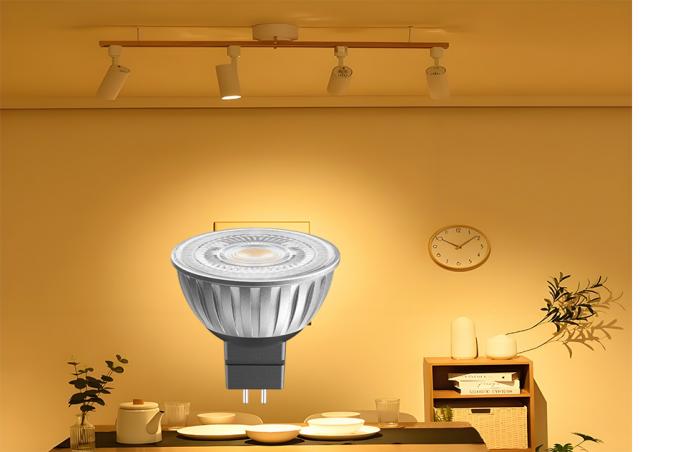
    • Common Uses: Track lighting, recessed fixtures, and home or commercial spotlights.

    GU10 Bulbs: A Closer Look

    The GU10 bulb is identified by its base type, with “G” indicating a bi-pin base, “U” denoting the U-shaped pins, and “10” denoting the 10mm pin gap.

    • Voltage Compatibility: Typically operates directly on 220-240V without the need for a transformer.

    • Key Features: Easy installation, perfect for high voltage applications.

    • Common Uses: Widely used in households, office spaces, and retail environments in downlights and spotlights.

    Comprehensive Guide to MR8 MR11 MR16 and GU10 Bulbs  3

    Comparative Analysis: MR8 MR11 MR16 and GU10

    Understanding the technical specifications of these bulbs is pivotal for their efficient application.

    Feature MR8 MR11 MR16 GU10
    Diameter 25mm 35mm 50mm 50mm
    Voltage 12V 12V  12V 24V  230V
    Base Type GU4 GU4 GU5.3 GU10
    Beam Angle 36° 24-36° 10-60° 10-60°
    Application Displays, Cabinets Accent, Decorative Indoor, Stage Home, Retail
    Replacement Power 10-20W 20-35W 50-70W 50-70W

    How to Choose the Right Bulb

    Selecting the appropriate bulb type involves several considerations:

    1. Determine Application Needs

    • Focused or Decorative Lighting: Consider MR series bulbs for precision lighting.

    • General or Spotlighting: GU10 bulbs are suitable for ease of operation and typical spot lighting needs.

    2. Voltage and Base Compatibility

    • Low Voltage Systems: Choose the appropriate MR bulb for 12V setups.

    • Direct Mains Connection: GU10 offers a hassle-free option without transformers.

    3. Assess Size Constraints

    • Fitment: Confirm the size compatibility of the bulb with your fixture, ensuring it suits physical dimensions.

    4. Evaluate Beam Angle and Brightness

    • Lighting Effect: Select based on the desired lighting effect, as the beam angle and lumen output can greatly influence ambiance.

    Conclusion

    In conclusion, understanding the differences between MR8, MR11, MR16, and GU10 bulbs is essential for optimizing lighting in any setting. By knowing their specifications and applications, you can select the ideal lighting solution effectively. Whether you’re focusing on residential or commercial lighting, informed choices ensure efficiency and aesthetic appeal. For a broader selection, product specifics, or additional guidance, you can explore www.tecolite.com, your comprehensive resource for all lighting needs.

  • Comprehensive Overview of Commercial Spotlight Requirements

    Comprehensive Overview of Commercial Spotlight Requirements

    In the arena of lighting, commercial spotlights play a crucial role in enhancing product visibility, creating ambiance, and attracting customer attention in various business settings. Understanding the requirements for commercial spotlights is essential for achieving optimal lighting solutions that meet both business and consumer needs. This overview provides detailed insights into the specifications, benefits, and applications of commercial spotlights. For more information on commercial lighting products, visit www.tecolite.com.

    Key Considerations for Commercial Spotlights

    Choosing the right spotlight involves consideration of various factors that affect performance, aesthetics, and functionality.

    Lighting Specifications

    When it comes to commercial lighting, specific technical specifications can determine the suitability of spotlights for different business environments.

    Comprehensive Overview of Commercial Spotlight Requirements  0

    • Luminous Intensity: Measured in lumens, this indicates the brightness of a spotlight. Higher lumens provide more intense and focused illumination, ideal for emphasizing displays or architectural elements.

    • Beam Angle: This is the spread of light from a spotlight. Narrow beam angles (15-30 degrees) are suitable for focused highlighting, while wider beams can illuminate larger areas.

    • Color Temperature: Expressed in Kelvin (K), color temperature affects the ambiance of a space. Warm white (2700-3000K) creates a cozy atmosphere, while cool white (4000-5000K) is more suitable for task-oriented lighting and energetic environments.

    • Color Rendering Index (CRI): This measures how accurately a light source reveals the true color of objects. A CRI above 80 is generally acceptable for commercial use, but above 90 is preferred for settings requiring precise color discrimination.

    Types of Commercial Spotlights

    Different spotlight designs meet varying needs, from track lighting to recessed installations.

    • Track Spotlights

    Flexibility: Easily adjustable, allowing for dynamic retail or gallery displays.

    • Application: Commonly used in retail stores, art galleries, and exhibition spaces.

    Recessed Spotlights

    Aesthetics: Provide a clean, sleek appearance by being flush with the ceiling.

    • Application: Ideal for corporate offices, conference rooms, and minimalist retail interiors.

    Pendant Spotlights

    Design: Hang from the ceiling, offering decorative elements along with functionality.

    • Application: Suitable for statement lighting in restaurants, cafes, and upscale retail.

    Energy Efficiency

    Commercial environments benefit from energy-saving lighting solutions, which help reduce operational costs.

    • LED Technology: LEDs offer superior energy efficiency compared to halogen and incandescent options, with significantly lower power consumption and longer lifespans.

    • Dimmable Solutions: Incorporating dimmable spotlights allows for adjustable lighting levels, optimizing energy use depending on time of day or specific activities.

    Planning and Installation Insights

    Effective planning and strategic installation are crucial for maximizing the impact of commercial spots.

    Layout and Design

    Comprehensive Overview of Commercial Spotlight Requirements  1

    • Task Lighting: Focused light on workspaces, checkout counters, or specific product displays to enhance functionality and customer interaction.

    • Accent Lighting: Used to highlight architectural features, art pieces, or promotional displays, drawing customer attention and enhancing aesthetic appeal.

    • Ambient Lighting: Provides general illumination that complements other lighting layers, creating a balanced and inviting environment.

    Installation Guidelines

    Proper installation is key to ensuring safety and functionality in commercial spaces.

    • Professional Assessments: Hiring lighting experts for assessments and installations ensures suitability and compliance with safety standards.

    • Height and Angle Adjustments: Installing spotlights at appropriate heights and angles enhances the coverage area and minimizes glare.

    • Maintenance Access: Consideration for easy access for maintenance or bulb replacement is essential, particularly in high-traffic or hard-to-reach areas.

    Evaluating Commercial Spotlight Benefits

    Beyond enhancing visibility and ambiance, spotlights offer numerous advantages to business environments.

    Customer Experience

    • Enhanced Visibility: Well-placed spotlights make products more attractive and easier to view, improving shopping experiences.

    • Mood and Atmosphere: Appropriate lighting design aligns with brand identity, creating environments that resonate emotionally with customers.

    Operational Efficiency

    • Cost Savings: Energy-efficient lighting reduces electricity costs and minimizes the need for frequent replacements, leading to long-term savings.

    • Versatility: Adjustable spotlights can easily be reconfigured to adapt to changing displays or evolving business needs.

    Conclusion

    Understanding the requirements and options available for commercial spotlights is essential for designing effective, cost-efficient, and visually appealing environments. By choosing the right specifications, planning installation strategically, and leveraging the benefits of modern lighting technologies, businesses can significantly enhance their commercial spaces. For a wide range of commercial lighting solutions and expert advice, explore www.tecolite.com

  • MR11 vs MR16 Bulbs: How to Choose the Right Lighting Solution

    MR11 vs MR16 Bulbs: How to Choose the Right Lighting Solution

    Choosing the right bulb for your lighting needs can be challenging given the variety of options available. Among the popular choices for both residential and commercial applications are MR11 and MR16 bulbs. Understanding the differences between these two types of bulbs can help you make an informed decision that suits your specific requirements.

    This article will explore the characteristics, advantages, and suitable applications for MR11 and MR16 bulbs. For further assistance and to explore a range of lighting solutions, visit www.tecolite.com.

    Understanding MR Bulb Nomenclature

    The prefix “MR” in MR11 and MR16 stands for “Multifaceted Reflector.” These bulbs are designed to provide directional lighting, with the reflector helping to focus the light output, making them ideal for accent and task lighting.

    Feature Comparison Chart

    Feature MR11 Bulbs MR16 Bulbs
    Diameter 35mm 50mm
    Beam Angle Typically narrow (24-36°) Wide range (10-60°)
    Voltage 12V 12V  24V  230V
    Applications Display cabinets, accent lighting Track lighting, recessed lighting
    Power 3W 7W

    MR11 Bulbs: Compact Precision

    MR11 bulbs are smaller, with a diameter of around 35mm, making them suitable for applications where space is limited. Their compact size does not compromise their functionality, as they provide precise lighting solutions.

    Key Features

    • Size and Design: The small size of MR11 bulbs makes them perfect for tight spaces or installations requiring a subtle presence.

    • Beam Focus: Typically offering narrow beam angles, they are ideal for highlighting specific objects or areas.

    • Voltage Options: Primarily available in lower voltages like 6V and 12V, they are commonly used in low-voltage installations.

    Applications

    MR11 vs MR16 Bulbs: How to Choose the Right Lighting Solution  0

    MR11 bulbs are favored in scenarios where direct, focused lighting is necessary. Common applications include:

    • Display Lighting: Perfect for use in cabinets and retail displays where precise illumination is crucial.

    • Accent Lighting: Used to highlight art, photographs, or other focal points in a space.

    MR16 Bulbs: Versatile Powerhouses

    MR16 bulbs have a larger diameter of approximately 50mm, offering a broader range of applications due to their versatility and powerful output.

    Key Features

    • Larger and Diverse Applications: The increased size allows for a wider beam angle selection, accommodating both spot and flood lighting needs.

    • Voltage Versatility: Available in various voltages including 12V, 24V, and even 120V, providing compatibility with different electrical systems.

    • Higher Lumen Output: Generally, MR16 bulbs deliver brighter light suitable for more extensive illuminating tasks.

    Applications

    MR11 vs MR16 Bulbs: How to Choose the Right Lighting Solution  1

    The adaptability of MR16 bulbs makes them suitable for a variety of settings:

    • Track Lighting: Their versatility allows adjustment for both concentrated and diffused lighting, excellent for art galleries and retail spaces.

    • Recessed and Outdoor Lighting: Perfect for broader lighting needs in both indoor and outdoor environments, offering powerful illumination and flexibility.

    LED Advances in MR Bulbs

    The advent of LED technology has further enhanced the functionality and energy efficiency of MR11 and MR16 bulbs.

    Advantages of LED MR Bulbs

    • Energy Efficiency: LED MR bulbs consume significantly less power than their halogen counterparts, resulting in lower electricity bills and reduced environmental impact.

    • Longer Lifespan: LEDs offer extended operational life, reducing the need for frequent replacements.

    • Cooler Operation: Unlike halogens, LEDs generate minimal heat, making them safer and more efficient in heat-sensitive environments.

    Choosing the Right MR Bulb for Your Needs

    Selecting between MR11 and MR16 bulbs should be based on your specific lighting requirements and installation context.

    Selection Criteria

    • Space Constraints: Opt for MR11 bulbs in compact areas or installations where size is a primary consideration.

    • Lighting Intensity: For extensive areas needing significant illumination, MR16 bulbs are the better choice.

    • Voltage Requirements: Ensure compatibility with your existing electrical system, particularly considering factors like voltage and dimming capabilities.

    • Desired Ambiance: The beam angle and color temperature should align with the ambiance you aim to create. Narrow beams and warmer temperatures are often used for accent lighting, while broader beams and cooler hues suit general illumination.

    Conclusion

    Understanding the differences between MR11 and MR16 bulbs allows for selecting the optimal lighting solution for your space. Both types have distinct advantages tailored to specific applications, ultimately improving functionality and aesthetics. Embracing LED technology within these categories further enhances their benefits, offering efficiency and longevity. For a broad selection of MR bulbs and expert assistance in choosing the right lighting, visit www.tecolite.com.

  • MR16 vs AR111 Hotel Lighting: A Complete Guide to Application Scenarios

    MR16 vs AR111 Hotel Lighting: A Complete Guide to Application Scenarios

    Introduction

    Lighting is more than just illumination; it’s about creating an atmosphere that enhances guest experience and operational efficiency. In the hospitality industry, the choice between MR16 and AR111 lighting can be pivotal. This guide explores the applications and benefits of both lighting options to help you make informed decisions.

    I. Core Differences & Use Case Mapping

    No. Parameter MR16 AR111
    1 BaseType GU5.3 G53
    2 Diameter 50mm 111mm
    3 Lumen 480lm 1600lm
    4 Power 7W 16W
    5 CRI 98 90

    1. Brightness & Coverage

    MR16 (7W, 480 lm)

    • Best for: Small, focused areas

    • Example:

    Use Scenario: Ideal for illuminating a bedside table (1.2m wide), a single MR16 bulb provides a concentrated pool of light, perfect for reading without producing glare on nearby walls.

    • Guest FeedbacAk: “The light feels intimate and doesn’t disturb my partner while reading at night.”

    AR111 (16W, 1600 lm)

    • Best for: Larger spaces with the need for uniform light distribution

    • Example:

    Use Scenario: Perfect for lighting a long hotel corridor (20m long and 3m wide) with 8 AR111 fixtures spaced 2.5m apart. This setup ensures consistent 200 lux illumination across the entire area.

    • Maintenance Note: AR111’s wide beam coverage minimizes dark spots, thereby simplifying cleaning schedules.

    2. Color Quality & Guest Experience

    MR16 (RA98)

    • Art Galleries: Enhances the vibrancy of oil paintings, making gold accents 15% more reflective.

    • Makeup Areas: Significantly reduces makeup mismatches; foundation shades appear 30% more accurate.

    • Luxury Retail: Dramatically increases the sparkle of jewelry displays by 20%.

    AR111 (RA90)

    • Conference Rooms: Ensures documents remain easy to read without color distortion.

    • Buffet Stations: Improves the perceived freshness of food, leading to 25% more positive comments on presentations.

    II. Detailed Scenario Breakdown

    1. Lobby & Reception

    Challenge: Achieving a balance between grandeur and functionality

    • AR111 Solution:

    Install 12 fixtures with a 24° beam angle on a 6m high ceiling. This setup provides a welcoming 180 lux lighting baseline.

    • Energy Saving: Using dimmable AR111s during off-peak hours can cut energy use by up to 40%.

    MR16 Accents:

    Highlight visual features, such as floral arrangements at the check-in desk, using 2 MR16 bulbs positioned at complementary angles.

    2. Restaurant & Bar

    Task: Creating an inviting dining ambiance

    • AR111 General Lighting:

    Opt for 10 fixtures with a 36° beam above dining tables to provide 500 lux. This ensures that guests can read menus comfortably while enjoying their meals.

    • MR16 Mood Lighting:

    Enhance wine racks with 4 warm white MR16s (2700K) to evoke a “cellar glow.” Surveys indicate 68% of diners associate this type of lighting with a superior dining experience.

    III. Hybrid Lighting Strategies

    MR16 vs AR111 Hotel Lighting: A Complete Guide to Application Scenarios  0

    1. Guest Room Suite

    • AR111 (16W): Deploy 2 fixtures to cover the bed area and workspace, offering broad illumination.

    • MR16 (7W): Position 1 fixture to focus on artwork and another for bathroom mirrors.

    Cost Savings: This hybrid lighting system uses a total of 46W compared to a 64W all-AR111 setup, delivering a 28% energy reduction.

    2. Ballroom Events

    • AR111 Base Layer: Utilize 30 fixtures to deliver 150 lux across seating areas to suit various event types.

    • MR16 Flexibility:

    Stage: Deploy 8 adjustable MR16s to focus on speakers, ensuring excellent visibility.

    • Buffet: Use 6 MR16s with 90 CRI to highlight and make food displays more appealing.

    V. Sustainability & Certifications

    1. Energy Efficiency

    • MR16: Operates at 7W, replacing traditional 50W halogen bulbs—eligible for green rebates.

    • AR111: Efficiently serves as a 16W substitute for conventional 75W metal halide lights.

    2. Contribution to Certifications

    • LEED Points:

    Harnessing hybrid MR16 and AR111 systems contributes to:

    EQ Credit: Lighting Quality, improving guest satisfaction scores in lighting surveys by 75%.

    • EA Credit: Achieving 35% reduced energy use compared to baseline standards.

    Conclusion

    Choosing the right lighting system for your hotel involves considering both aesthetic and functional elements. By understanding the potential of MR16 and AR111 lighting fixtures, you can enhance guest experiences and optimize energy efficiency. Explore www.tecolite.com for premium lighting solutions.

  • 2024 Ningbo International Lighting Exhibition

    2024 Ningbo International Lighting Exhibition

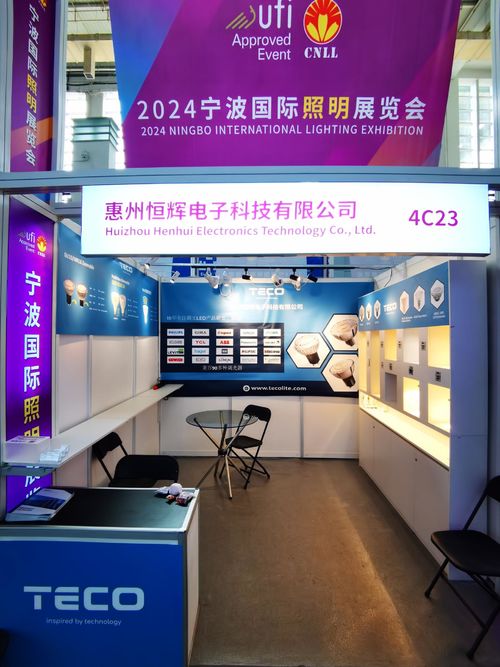
    In May 2024, we participated in the Ningbo International Lighting Exhibition.