Huizhou Henhui Electronics Technology Co., Ltd.

分类: 未分类

  • Tailored LED Bulbs: Custom Lighting for Commercial Needs

    Tailored LED Bulbs: Custom Lighting for Commercial Needs

    In today’s fast-evolving commercial lighting landscape, businesses are no longer content with one-size-fits-all solutions. Lighting is now expected to do more: enhance ambiance, reflect brand identity, improve energy efficiency, and meet technical project requirements.

    Tailored LED bulbs, also known as custom LED bulbs, offer a solution that aligns lighting functionality with business objectives. Whether you operate a retail store, manage a hotel chain, or oversee a large warehouse facility, tailored LED bulbs can dramatically improve your lighting outcomes.

    In this comprehensive guide, we explore what tailored LED lighting entails, the benefits it brings to commercial applications, what customization options are available, and how to source the right products for your project.

    What Are Tailored LED Bulbs?

    Tailored LED Bulbs: Custom Lighting for Commercial Needs  0

    A tailored LED bulb is an LED lighting product that has been customized to meet specific project requirements. Unlike off-the-shelf lighting solutions, these bulbs are modified or built to order based on parameters such as:

    • Color temperature (CCT)

    • Beam angle

    • Wattage and lumen output

    • Dimming capability

    • Smart control compatibility

    • Socket/base type

    • Housing material and finish

    • Voltage requirements

    • Logo printing or private labeling

    These customizations ensure that the lighting not only performs optimally for a specific space but also aligns with the design aesthetics and operational goals of a business.

    Why Businesses Choose Tailored LED Bulbs

    In commercial environments, lighting must be precise. A poorly lit retail space can reduce product appeal, while harsh office lighting may affect employee comfort. Tailored LED solutions address these pain points by offering:

    ✅ Precision Lighting

    Get exactly the light output, beam spread, and tone required for the intended space or task.

    ✅ Improved Energy Efficiency

    Reduce power usage and lighting waste by using LEDs that are designed to fit the environment perfectly.

    ✅ Enhanced Brand Experience

    Lighting contributes significantly to a customer’s perception of your brand. Custom CCT and CRI help reinforce brand aesthetics.

    ✅ Better Integration

    Tailored bulbs can be made compatible with existing fixtures, voltages, or control systems (e.g., DALI, Zigbee, Tuya).

    ✅ Reduced Maintenance

    Using bulbs built specifically for your application often leads to longer lifespans and fewer replacements.

    Who Needs Custom LED Lighting?

    Tailored LED bulbs serve a wide variety of industries and commercial environments:

    Retail Chains & Brand Stores

    Retailers rely on light to guide customer attention and enhance product appeal. Using custom LED bulbs with high CRI and focused beam angles helps highlight product details and create a memorable shopping experience.

    Tailored LED Bulbs: Custom Lighting for Commercial Needs  1

    Custom Needs Include:

    • 3000K or 4000K warm white lighting for atmosphere

    • CRI 90+ for accurate color rendering

    • Narrow beam angles (e.g., 24°) to highlight specific areas

    Hotels & Hospitality Spaces

    Lighting sets the tone in hospitality. From warm lights in lobbies to functional reading lights in guest rooms, each fixture must offer the right ambiance.

    Common Customizations:

    • Dim-to-warm CCT for guest rooms (e.g., 2700K–2200K)

    • Smart control compatibility for room automation systems

    • Non-standard sockets for designer fixtures

    Tailored LED Bulbs: Custom Lighting for Commercial Needs  2

    Offices & Corporate Spaces

    Employee well-being and productivity can be directly influenced by lighting. Cool white lighting (4000K–5000K) with flicker-free performance supports focus and reduces eye strain.

    Business Needs:

    • Anti-glare lens or diffuser

    • Tunable white LED for circadian lighting

    • DALI dimming or occupancy sensor integration

    Warehouses & Industrial Facilities

    These spaces require powerful lighting that is energy-efficient, durable, and compatible with specific voltage requirements.

    Tailored LED Bulbs: Custom Lighting for Commercial Needs  3

    Custom Requirements:

    • 100–277V or even 347V input compatibility

    • IP65/IP66 waterproofing for outdoor or dusty environments

    • High-lumen output for high ceilings (e.g., 1500lm+)

    Key LED Bulb Parameters That Can Be Customized

    Feature Custom Options Application Benefit
    Color Temperature 2200K–6500K Matches mood or function (warm, neutral, cool)
    CRI (Color Rendering) 80, 90, 95+ Better color accuracy, especially in retail
    Beam Angle 10° to 120° Spot or flood light flexibility
    Power & Lumen Output 3W–15W, 300lm–1500lm Application-based light strength
    Socket/Base Type GU10, E27, G53, MR16, custom designs Fixture compatibility
    Voltage Support 85-265V, 12V, 24V, etc. Regional or project-specific
    Material/Finish Die-cast aluminum, plastic, glass, etc. Aesthetics or durability
    Dimming Protocol Triac, 0-10V, DALI, Zigbee, Tuya Smart integration
    Logo/Labeling OEM/ODM private branding Strengthens business identity

    OEM vs ODM LED Customization: What’s the Difference?

    If you’re sourcing from a manufacturer, understanding the difference between OEM and ODM is critical:

    • OEM (Original Equipment Manufacturer): You provide the design/specifications; the manufacturer produces it under your brand.

    • ODM (Original Design Manufacturer): The supplier provides design options that you can adapt and brand.

    Tailored LED Bulbs: Custom Lighting for Commercial Needs  4

    Sourcing Custom LED Bulbs: What to Consider

    1. Define Your Application Goals

    Do you need accent lighting or general illumination? What mood or color tone is required? What are your regional voltage or certification needs?

    2. Request Samples First

    Ask for test units and photometric reports to ensure the lighting meets your standards.

    3. Confirm Certifications

    For international trade, ensure compliance with CE, RoHS, UL, TUV, or other relevant standards.

    4. Check Manufacturer Capabilities

    Reliable suppliers should offer:

    • In-house R&D and engineering

    • Short lead times

    • MOQ flexibility

    • Warranty & after-sales support

    Case Study: Custom GU10 LED Bulbs for a Hospitality Project

    A premium hotel group in the Middle East approached an OEM lighting manufacturer to create customized GU10 LED bulbs for its 5-star locations.

    Tailored LED Bulbs: Custom Lighting for Commercial Needs  5

    Key Features Delivered:

    • 2700K dimmable bulbs with 95 CRI

    • 24° narrow beam for lobby artwork

    • Die-cast aluminum housing with black finish

    • Branded packaging with logo

    • 3-year commercial-use warranty

    The result: energy savings, consistent lighting across all locations, and an elevated guest experience that aligned with the hotel’s brand.

    Conclusion: Lighting That Works for Your Business

    Tailored LED bulbs are not just for visual appeal — they are a powerful tool for performance, efficiency, branding, and long-term savings.

    From color tone and brightness to smart control and fixture fit, custom LED bulbs let you take control of your lighting environment. For B2B buyers and commercial project leaders, they offer a scalable and strategic advantage.

    Start Your Custom Lighting Project Today

    Looking to optimize lighting for your business?

    ✅ OEM & ODM LED Bulb Manufacturing
    ✅ Global Export | CE & RoHS Certified
    ✅ Custom CCT, CRI, Beam Angle, Branding
    ✅ Samples & Quotation within 24 Hours

    [Contact Our Lighting Team Now]
    Let’s help you design the perfect LED bulb for your commercial success.

  • Top LED Bulbs Manufacturer in China: Who Should You Trust?

    Top LED Bulbs Manufacturer in China: Who Should You Trust?

    In the complex global supply chain, trust is the cornerstone of success. For B2B buyers seeking efficient and reliable LED bulb manufacturers, selecting a trustworthy partner in China is the critical first step to resolving half your supply chain headaches.

    China leads the global LED industry. It offers countless options—but only a few manufacturers deliver reliable quality, ODM flexibility, and on-time delivery for B2B buyers.

    This article reveals the top choices and how to identify real, capable LED bulb suppliers in China—whether you’re sourcing GU10s, panels, or strips.

    Which LED light bulb manufacturers are in China?

    Top LED Bulbs Manufacturer in China: Who Should You Trust?  0

    Thousands of companies produce LED bulbs in China—but not all are equal in capability, quality, or export experience.

    Major LED bulb manufacturers in China are concentrated in Guangdong (Zhongshan, Shenzhen, Foshan), Jiangsu, and Zhejiang provinces—regions known for mature lighting ecosystems.

    From global brands to mid-size OEM factories, the range is vast. If you’re sourcing for retail, hotel chains, or renovation projects, you need partners who offer:

    What to Look for in a Manufacturer

    ✅ Key Capabilities

    • SMT assembly lines

    • LM-80/IES-tested LED chips

    • High CRI, stable drivers

    • Full QC workflow (aging test, photometric test)

    ✅ Export Experience

    • Familiarity with CE, RoHS, ERP

    • Custom packaging for EU/US

    • Flexible MOQs

    Sample List of Notable LED Bulb Manufacturers

    Brand/Factory Region Product Focus Export Market
    Opple Lighting Jiangsu Consumer-grade LED lamps Global
    NVC Lighting Guangdong Commercial LED lights Asia, UK
    Teco Lighting  Guangdong ODM GU10, dimmables Global
    Forest Lighting (MLS) Fujian Mass-market LED bulbs USA, EU

    Who makes the best quality LED lights?

    Top LED Bulbs Manufacturer in China: Who Should You Trust?  1

    Many claim to make “the best” LED bulbs—but very few meet international durability and safety standards in real-world applications.

    The best LED bulbs in China come from manufacturers that control chip sourcing, driver design, and use automated quality testing.

    Quality Comes from Process, Not Just Price

    1. Premium LED Chips

    Brands like Philips, Osram, and Sanan offer longer lifespans and higher brightness with stable color temperatures.

    2. Driver Stability

    A good LED light should have:

    • Flicker-free operation

    • PF > 0.9

    • Isolated constant-current drivers

    3. Color Accuracy

    For retail, art galleries, and hospitality—CRI > 80 is minimum. Some require CRI 90+ for perfect rendering.

    4. Longevity

    The best manufacturers offer LED bulbs rated for 25,000 to 50,000 hours. Look for real lifespan testing reports.

    Additionally, reputable manufacturers are transparent about their quality control processes, often providing access to test reports and even virtual factory tours to showcase their commitment to excellence.

    Our Experience at Teco

    We manufacture GU10, MR16, and other LED bulbs using:

    • LM80-certified chips

    • UV-proof, heat-resistant PC housings

    • Customizable beam angles & wattage

    • Dimmable versions tested with Phase cut dimmers

    If your buyers complain about flicker or color variation—it’s time to change suppliers.

    Who is the largest LED light manufacturer in China?

    Top LED Bulbs Manufacturer in China: Who Should You Trust?  2

    Some buyers think working with the biggest equals the safest. But that’s not always true in practice.

    China’s largest LED manufacturers include MLS (Forest Lighting), Nationstar, and Opple. They produce millions of units per month and supply global retailers.

    These giants run large-scale operations—but their MOQ, lead times, and lack of OEM support often frustrate small-to-mid volume buyers.

    Should You Work with a Giant?

    Factor Large Manufacturer Mid-size Factory (like Teco)
    MOQ 10,000+ pcs 1,000–3,000 pcs
    Flexibility Low High
    Lead Time Longer (overbooked) Faster (more agile)
    ODM Services Limited Full customization
    Response Time Slow Direct communication

    Unless you’re importing containers monthly, a flexible factory partner might serve your needs better.

    Are all LEDs made in China?

    It’s a fair question. Many customers want to know whether everything comes from China.

    Not all LEDs are made in China—but China dominates global LED production across chip packaging, PCB, assembly, and export.

    LED Supply Chain Breakdown

    Component Common Origin
    LED Chips Taiwan, Korea, USA
    LED Packaging China (Shenzhen, Dongguan)
    Driver ICs China, Taiwan
    Final Assembly China

    China owns the vertical supply chain for most LED products. While core LED chip innovation and high-end R&D may originate from various global hubs, China’s strength lies in its unparalleled ability to rapidly translate these innovations into scalable, cost-effective mass production and assembly. Even brands that claim “made in Germany” often assemble in China, then label locally.

    Really good LED Bulb manufacturers in China?

    Top LED Bulbs Manufacturer in China: Who Should You Trust?  3

    The real challenge isn’t finding a manufacturer—it’s filtering out those who can’t deliver when it matters.

    Good LED bulb manufacturers in China combine quality control, customization, fast response, and real export experience.

    What Makes a Supplier “Really Good”?

    ✅ Consistency

    Same batch, same brightness, same color temperature. No variations.

    ✅ Real Certifications

    Ask for verifiable CE, RoHS, ERP, TÜV reports—not fake scans.

    ✅ Communication

    Do they understand your requirements, packaging specs, and compliance needs?

    ✅ Logistics Knowledge

    Can they manage DDP? CIF? Label with barcodes? Handle pallet packing?

    How Teco Helps Buyers Like You

    As a factory with 4 production lines in Huizhou, we offer:

    • GU10, MR16, and other LED bulbs

    • 40,000+ hour rated dimmable and non-dimmable models

    • OEM services (logo, blister box, labels)

    • 1-on-1 project support

    Many of our clients used to work with trading companies and got frustrated with miscommunication. Once they moved to direct factory support, quality improved and response time dropped.

    Ready to experience the difference of direct factory support and customized LED solutions? Reach out to our team today.

    Conclusion

    Finding the right LED bulb manufacturer in China isn’t about the cheapest price—it’s about finding a dependable partner who understands your business and delivers consistently.

    Ready to build a reliable and efficient LED supply chain? Contact our experts today for a personalized consultation and a tailored quote. Let us help you illuminate your business with confidence.

  • GU10 LED Bulbs: Are They the Best Energy-Efficient Choice for Modern Businesses?

    GU10 LED Bulbs: Are They the Best Energy-Efficient Choice for Modern Businesses?

    Are you tired of the rising electricity bills caused by outdated lighting? The solution might be simpler than you think—switching to GU10 LED bulbs can cut your energy use and lighting costs drastically.

    GU10 LED bulbs save energy by consuming up to 90% less electricity than halogen bulbs and lasting up to 25 times longer, making them a cost-effective and eco-friendly choice for businesses.

    If you’re still relying on halogens or CFLs, you might be paying more than necessary. This article will show how GU10 LED bulbs can help your business reduce costs, meet environmental standards, and upgrade your lighting system effortlessly.

    How do LED bulbs help save energy?

    GU10 LED Bulbs: Are They the Best Energy-Efficient Choice for Modern Businesses?  0

    Many businesses waste energy using outdated lighting systems. High wattage means high energy bills and carbon footprints.

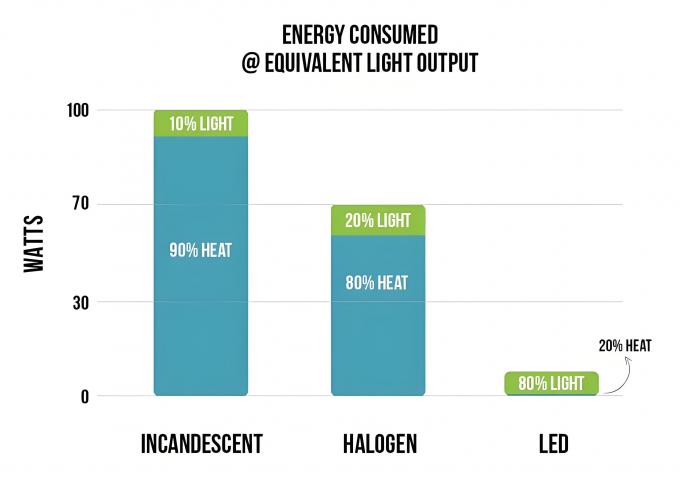
    LED bulbs convert more electricity into usable light, significantly reducing power consumption while delivering the same brightness as halogen or incandescent bulbs.

    GU10 LED bulbs typically consume between 3W to 6W but replace traditional 35W to 80W halogens. That means a 5W GU10 LED can match the brightness of a 50W halogen, cutting energy use by up to 90%. Multiply that across a warehouse or office space, and the savings are massive.

    Understanding the LED Efficiency

    Bulb Type Power Usage Lumens Output Lifespan
    Halogen GU10 50W 350 lumens 1,000 hours
    LED GU10 5W 400+ lumens 25,000–50,000 hours

    LEDs also produce less heat. That means lower HVAC costs in climate-controlled buildings. Less heat, more light, and better ROI.

    What are the benefits of using energy-efficient light bulbs?

    GU10 LED Bulbs: Are They the Best Energy-Efficient Choice for Modern Businesses?  1

    Lighting seems minor in the budget—but it’s a hidden cost center, especially for large facilities.

    Energy-efficient light bulbs like GU10 LEDs reduce electricity bills, lower maintenance costs, and minimize your business’s environmental footprint.

    If you’re running a commercial space, lighting can make up to 30% of your energy bill. With LEDs, those costs drop instantly. Fewer replacements mean lower labor and downtime. Plus, many countries offer energy-efficiency grants or tax benefits for businesses that switch.

    Business Benefits at a Glance

    • Lower Operational Costs: LEDs cost less to run, especially at scale.

    • Extended Lifespan: 25,000–50,000 hours means fewer bulb changes.

    • Increased Safety: LEDs run cooler, reducing fire risks.

    • Improved Sustainability: Lower carbon footprint helps with ESG goals.

    If you’re selling into Europe or the Gulf, energy standards are strict. LED lighting helps your business stay compliant.

    What is the advantage of using LED bulbs?

    GU10 LED Bulbs: Are They the Best Energy-Efficient Choice for Modern Businesses?  2

    Most traditional bulbs burn energy just to create heat. That’s money lost.

    LED bulbs are efficient, longer-lasting, and safer. They’re also more versatile, with better control over brightness and color temperature.

    You can choose between warm white for hospitality or daylight white for task lighting in retail. LED GU10s are also available in dimmable versions, perfect for dynamic spaces like showrooms, offices, and restaurants.

    Practical Advantages for B2B Buyers

    1. High Lumen Output at Low Wattage

    LEDs offer more lumens per watt. For example:

    • A 6W GU10 LED = 480 lumens

    • An 35W halogen = 480 lumens

    2. Compatibility with Existing Fittings

    GU10 LEDs are designed for direct retrofit—no need to change your whole system.

    3. Flicker-Free Dimming

    With trailing-edge dimmers, your lighting adjusts seamlessly. This is especially useful in environments where ambiance matters.

    How can using LED bulbs benefit the environment?

    GU10 LED Bulbs: Are They the Best Energy-Efficient Choice for Modern Businesses?  3

    Every halogen bulb used means more carbon dioxide released. Multiply that across cities or industrial zones—it’s a huge impact.

    LED bulbs reduce CO2 emissions by using less electricity and generating less heat. They’re also recyclable and mercury-free.

    Switching to LEDs is one of the easiest and most cost-effective ways to meet sustainability goals. For companies exporting to Europe, LED lighting helps meet green building certifications like BREEAM or LEED.

    Environmental Impact of GU10 LEDs

    Factor Halogen GU10 LED GU10
    CO₂ Emissions (est.) 40kg/year per bulb 5kg/year per bulb
    Mercury Content None None
    Energy Source Usage High Low
    Heat Output High Low

    A full office retrofit with GU10 LEDs can reduce emissions equivalent to planting dozens of trees per year. That’s a strong message for environmentally-conscious clients and partners.

    What are the benefits of GU10 bulbs?

    GU10 LED Bulbs: Are They the Best Energy-Efficient Choice for Modern Businesses?  4

    Not all LED bulbs are the same. GU10s are built for spotlights and downlights, which are widely used in retail, hospitality, and commercial spaces.

    GU10 LED bulbs offer easy installation, focused lighting, customizable beam angles, and flexible dimming options—making them ideal for professional settings.

    They’re also mains-powered, which means no transformer needed, reducing installation costs and complexity. That’s a key benefit if you’re supplying to commercial projects.

    Why GU10 is the Smart B2B Choice

    ✓ Direct Retrofit

    Easy swap for halogen GU10s—no rewiring needed.

    ✓ Customization

    Available in beam angles from 36° to 100°, various CCTs (2700K to 6500K), and even colored options.

    ✓ Dimmable Options

    Support for advanced dimming tech like PWM and CCR allows smooth brightness transitions.

    ✓ Bulk Cost Advantage

    GU10 LED bulbs are available in bulk packs with trade pricing—perfect for wholesale buyers.

    Feature GU10 LED Bulb
    Cap Type GU10 (twist-and-lock)
    Wattage Range 3W – 8W
    Beam Angle Options 10°, 24°, 36°, 60°
    Dimmable Versions Available (check compatibility)
    Lifespan Up to 50,000 hours
    Voltage 220V–240V AC (no transformer)

    If you’re sourcing for hotels, offices, or luxury homes, GU10 LEDs provide that professional look and reliable performance.

    Conclusion

    GU10 LED bulbs are more than just a lighting upgrade—they’re a smart business move that cuts costs, supports sustainability, and delivers long-term value.

  • GU10 vs MR16 Bulbs: What’s the Key Difference and Which Should You Choose?

    GU10 vs MR16 Bulbs: What’s the Key Difference and Which Should You Choose?

    In lighting projects, a small misstep in choice could lead to tens of thousands of dollars in extra costs or project delays. Are you struggling to choose between GU10 and MR16 spotlights?

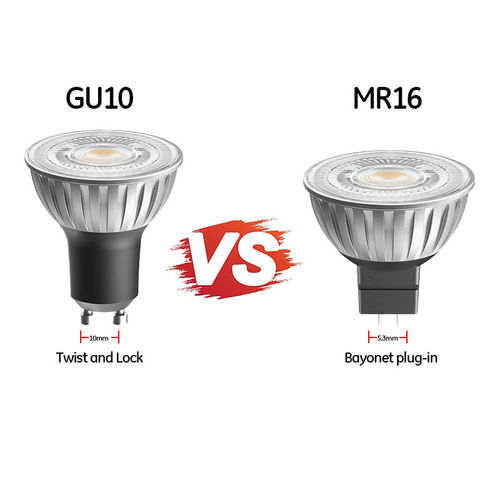
    GU10 and MR16 bulbs differ fundamentally in voltage, base type, and compatibility. GU10 uses mains voltage with a twist-lock base; MR16 requires a transformer and has pin-type connectors.

    Many buyers confuse these two spotlight types, especially during retrofit or renovation projects. Let’s clear up the confusion once and for all.

    Is GU10 better than MR16?

    GU10 vs MR16 Bulbs: What’s the Key Difference and Which Should You Choose?  0

    Choosing between GU10 and MR16 often comes down to power supply and installation ease. MR16 runs on 12V and requires a transformer, while GU10 connects directly to 220-240V mains voltage.

    GU10 bulbs are generally considered more convenient for modern lighting setups because they don’t need a transformer and are easier to install.

    In my experience supplying B2B buyers across Europe and Southeast Asia, clients often prefer GU10 for commercial spaces. That’s because GU10 lights simplify the installation process, reduce labor costs, and eliminate compatibility issues with transformers.

    While GU10 offers compelling advantages for most contemporary applications, MR16 might still be useful in legacy setups or where very low voltage is required (like certain outdoor landscape lighting or specialized applications where safety is paramount). However, these scenarios often come with the added complexity of transformers and their associated maintenance.

    Key Differences: GU10 vs MR16

    Feature GU10 MR16
    Voltage 220-240V 12V
    Base Type Twist & lock Bi-pin (GU5.3)
    Requires Transformer No Yes
    Retrofit to GU10 Friendly Yes Requires rewiring
    Dimming Compatibility Easier with LED dimmers Requires transformer and compatible dimmer

    Is GU10 compatible with MR16?

    A common mistake I see buyers make is assuming GU10 and MR16 are interchangeable just because they look similar. They’re not.

    No, GU10 and MR16 bulbs are not directly compatible due to different voltage requirements and socket designs.

    GU10 bulbs twist into place and run on 220-240V AC. MR16 bulbs use two pins and require a separate 12V transformer. Plugging one into the other without conversion can cause flickering, failure—or worse, damage to the fixture.

    Why Compatibility Matters in B2B Procurement

    Large lighting projects need consistent compatibility to avoid shipment returns, certification issues, and installation delays. For clients like engineering contractors or hotel renovation teams, this could mean losing an entire sales season.

    Can you change MR16 to GU10?

    Let’s say you already have MR16 fittings. Can you upgrade to GU10 to simplify your setup and reduce maintenance?

    Yes, you can convert from MR16 to GU10, but it requires removing the transformer and installing a GU10-compatible socket.

    We’ve helped dozens of B2B clients replace MR16 systems with GU10 during lighting upgrades. Here’s what’s typically involved:

    Step-by-Step Conversion:

    • Turn off power at the main breaker.

    • Remove the MR16 bulb and unscrew the transformer hidden in the ceiling.

    • Install a GU10 lamp holder (no transformer needed).

    • Fit the new GU10 LED bulb and turn the power back on.

    ⚠️ Always hire a qualified electrician for this upgrade. Incorrect wiring can result in short circuits or fire hazards.

    Cost vs. Long-Term Benefit

    While the initial conversion has labor costs, clients often recover this in less than a year due to:

    • Lower failure rate of GU10 LEDs

    • Lower energy usage

    • Easier maintenance

    What is the difference between GU10 and MR16 according to Reddit?

    Reddit is full of DIYers and pros discussing lighting options. Many threads on /r/electricians and /r/homeautomation offer real-world advice.

    Reddit users agree that GU10 is more practical for most modern applications, while MR16 is more common in older systems requiring transformers.

    A few takeaways from discussions I’ve followed:

    • MR16 is a headache to dim correctly.

    • GU10 LED compatibility with smart dimmers like Lutron and Varilight is far better.

    • Retrofitting MR16 to GU10 often comes up in threads about renovating older properties.

    The “Reddit Verdict”

    Reddit often reflects what real users struggle with: buzzing transformers, flickering LEDs, and dimming issues. That’s why even electricians in those forums tend to favor GU10 over MR16—especially for commercial spaces, where reliability is key.

    How to remove GU10 or MR16 bulbs?

    If you’re switching out bulbs in bulk, like many of our B2B customers, speed and safety matter. GU10 and MR16 bulbs have different removal methods.

    To remove a GU10, push in and twist counterclockwise. To remove MR16, pull straight down gently while wiggling the pins free.

    Step-by-Step Instructions

    For GU10:

    • Turn off the power.

    • Grip the bulb and twist counterclockwise.

    • Pull out when it unlocks.

    For MR16:

    • Turn off power.

    • Grip the bulb close to the base.

    • Wiggle slightly and pull straight out.

    Safety Tips

    • Let the bulb cool before handling.

    • Wear gloves to avoid cuts or burns.

    • If a bulb breaks, use duct tape to safely remove the fragments.

    ⚙️ Pro Tip: For mass replacements, consider a suction cup bulb remover tool—it speeds up the process and reduces damage risk.

    Conclusion

    GU10 and MR16 bulbs serve different needs, but for ease of use, compatibility, and cost-effectiveness—GU10 is the smarter choice for most commercial applications. For B2B clients seeking long-term efficiency, reduced operational costs, and simplified maintenance, investing in GU10 solutions is undoubtedly the more strategic decision.

  • Troubleshooting Common GU10 LED Bulb Problems and How to Fix Them

    Troubleshooting Common GU10 LED Bulb Problems and How to Fix Them

    Imagine your client’s new retail space, perfectly lit to showcase their products, or a hotel corridor where every light is expected to be flawless. What happens when the lights start to flicker, dim unevenly, or burn out a month after installation? For businesses and property managers, this isn’t just an inconvenience; it’s a direct hit to your reputation and budget.

    If your GU10 LED bulbs flicker, burn out early, or simply won’t turn on, you’re not alone. These issues are surprisingly common and can be costly in both residential and commercial installations. Fortunately, most problems stem from preventable causes—and that’s where this guide comes in.

    In this professional guide, we’ll explore why GU10 LED bulbs fail, how to fix common problems, and what to look for in quality components. Whether you’re a lighting installer, facilities manager, or simply seeking reliable home lighting, this article will help you save time, money, and frustration.

    Tip from Teco: Teco GU10 LED bulbs are engineered to address many of the issues covered in this article—from superior thermal control to robust driver stability.

    Table of Contents

    Premature Failure: Why Your GU10 LEDs Burn Out Fast

    GU10 LEDs are advertised to last 15,000 to 25,000 hours, but early failure is not uncommon. Premature burnout is almost always tied to one of three critical factors: poor thermal management, an incompatible electrical environment, or substandard manufacturing.

    1. Overheating from Poor Ventilation

    While LEDs are known for their energy efficiency, they are extremely sensitive to heat. The lifespan of an LED is directly related to the temperature of its internal components. If heat isn’t effectively pulled away from the LED chip, the semiconductor material degrades, causing the light output to fade and the bulb to fail quickly. This process, known as thermal degradation, is a top killer of LED bulbs.

    The heat sink is the unsung hero of a quality LED bulb, often made from die-cast aluminum or ceramic. Its job is to draw heat away from the chip and dissipate it into the surrounding air. If you install a bulb in a fully enclosed fixture with no airflow, heat gets trapped, turning the fixture into a miniature oven. This trapped heat can dramatically reduce a bulb’s lifespan by as much as 80%.

    Pro Tip: Always check a bulb’s rating. A bulb rated for “open fixtures only” will fail rapidly in a sealed recessed downlight. For installations where insulation directly touches the fixture, choose an IC-rated (Insulation Contact) bulb that is specifically designed to handle high-temperature environments.

    Teco’s GU10 Pro series uses high-grade aluminum heat sinks and advanced thermal paste, designed to perform in both open and semi-enclosed fixtures, ensuring consistent heat dissipation and maximum longevity.

    Image Placeholder
    Image Title: GU10 LED in enclosed fixture
    Alt Text: A technical diagram showing a GU10 LED bulb with a large aluminum heat sink inside a sealed downlight fixture. Arrows indicate trapped heat building up inside the fixture, while a comparison panel shows the same bulb in an open fixture with airflow removing heat.

    2. Voltage Surges & Driver Stress

    GU10 LEDs run directly on mains voltage (220-240V), and their most vulnerable component is the driver. This crucial circuit converts the high-voltage AC (Alternating Current) power from your wall to the low-voltage DC (Direct Current) that the LED chip needs.

    When your electrical supply experiences minor fluctuations or major surges—common in commercial buildings with heavy machinery, HVAC systems, or elevators—the driver has to work overtime to regulate the current. This constant stress and strain can cause the driver’s components, especially capacitors, to degrade and fail prematurely.

    Teco LED drivers are engineered with wide voltage tolerance (rated for 180–265V) and robust over-voltage protection. This provides a reliable buffer against power fluctuations, ensuring stable illumination even when other appliances cycle on and off on the same circuit.

    Image Placeholder
    Image Title: LED driver voltage regulation diagram
    Alt Text: An illustration showing a stable sine wave on a graph, which then becomes a jagged, unstable line representing a power surge. Below the graph is a detailed view of a stressed power supply circuit board with a burnt-out component highlighted.

    3. Poor-Quality Components

    The market is flooded with low-cost GU10 LEDs that cut corners on critical components to reduce price, compromising both safety and lifespan. A truly reliable bulb depends on the quality of its internal parts.

    • Driver Quality: A cheap driver can’t regulate current effectively, leading to flicker, buzzing, and early failure.

    • Heat Sink Material: A plastic heat sink is far less efficient than a high-quality aluminum one, leading to rapid thermal degradation.

    • Certifications: Always choose bulbs with verified certifications like CE (European safety), RoHS (hazardous substance-free), and EMC (electromagnetic compatibility). These logos confirm the product has undergone rigorous testing for safety and electrical compatibility, ensuring it won’t interfere with other electronics.

    Teco bulbs meet these strict international standards, and each product is backed by a 2–3 year warranty depending on the model, giving you peace of mind and reducing long-term replacement costs.

    Flickering and Buzzing: The Unwanted Light Show

    Flickering is arguably the most annoying and common problem with LED lighting. It’s not just a nuisance—it can cause eye strain and headaches. Buzzing is another common complaint. Both are direct symptoms of an unstable current supply, often linked to dimmer incompatibility.

    1. Dimmer Switch Incompatibility

    This is the number one cause of LED flicker and buzzing. Old dimmer switches, originally designed for incandescent and halogen bulbs, use a technology called leading-edge dimming. These dimmers work by rapidly cutting off a portion of the AC waveform to reduce power. While this works for resistive loads like halogens, it creates electrical “noise” that confuses the sensitive driver in an LED bulb. The result? Unstable current flow and visible flicker.

    Think of a leading-edge dimmer as a choppy switch that abruptly cuts the power signal, while a trailing-edge dimmer is like a smooth, gradual wave that cleanly reduces the power. For a smooth, flicker-free dimming experience, you must use a trailing-edge dimmer.

    The “Minimum Load” Problem: Older dimmers also require a certain minimum wattage to function correctly (e.g., 40W, 60W, or even 100W). If you replace a 50W halogen with a 5W GU10 LED, the total load on the circuit is too low for the dimmer to stabilize its operation, leading to buzzing and flickering.

    Teco dimmable GU10s are specifically designed for trailing-edge dimmers, ensuring silent operation and smooth, consistent dimming from 100% all the way down to 10%.

    Image Placeholder
    Image Title: Leading-edge vs trailing-edge waveform
    Alt Text: A waveform chart visually comparing the “choppy” output signal of a leading-edge dimmer with the “smooth” and stable signal of a trailing-edge dimmer, explaining why the latter is compatible with LED drivers.

    2. Circuit Overload or Unstable Grid Voltage

    Even without a dimmer, flickering can occur if the voltage supply from your electrical grid is not stable. This is more common in commercial buildings with high-demand equipment cycling on and off on the same circuit. Teco’s drivers use advanced circuitry to handle voltage dips and surges, providing stable illumination even when other appliances draw significant power. For persistent issues, a dummy load can be installed to “fool” the dimmer or circuit into thinking there is a higher wattage, which can help stabilize the current flow and eliminate flicker.

    Dead on Arrival? What to Do When an LED Won’t Turn On

    When an LED bulb doesn’t turn on even though the power is on, the problem is likely not the power itself but how the power is being received or processed by the bulb.

    1. Internal Driver Failure

    The most common reason for a dead LED is the failure of its internal driver. Unlike a filament that simply breaks, a driver can fail silently due to heat, voltage spikes, or a manufacturing defect. This is why a GU10 LED can have a clean appearance but still be non-functional.

    Image Placeholder
    Image Title: Burnt GU10 LED driver circuit
    Alt Text: A close-up macro image of a disassembled GU10 LED bulb, focusing on a burnt-out capacitor on the internal driver circuit board, highlighting a common point of failure.

    2. Loose Connections or Socket Corrosion

    If the bulb is properly installed but doesn’t light up, check the connection in the socket. Oxidized contacts or loose wiring in the fixture can prevent current from reaching the bulb’s base.

    Step-by-Step Diagnosis:

    • Safety First: Turn off the power at the circuit breaker.

    • Inspect: Carefully remove the bulb and inspect the metal contacts inside the socket. Look for rust, discoloration, or debris.

    • Clean: Gently clean the contacts with a non-conductive tool or a cotton swab with a small amount of contact cleaner.

    • Secure: Check that the wires leading to the socket are securely fastened.

    3. Incompatible Smart Switch or Wiring Error

    In rare cases, the issue could be a wiring error or a switch that doesn’t pass enough current for low-wattage LEDs to even initiate their startup sequence. This is a key reason why some older smart switches may not be compatible with certain low-wattage LEDs, as they require a minimum load to function. Teco products are rigorously tested with leading smart brands to ensure compatibility.

    Beyond Dimmable: Troubleshooting Smart GU10 LEDs

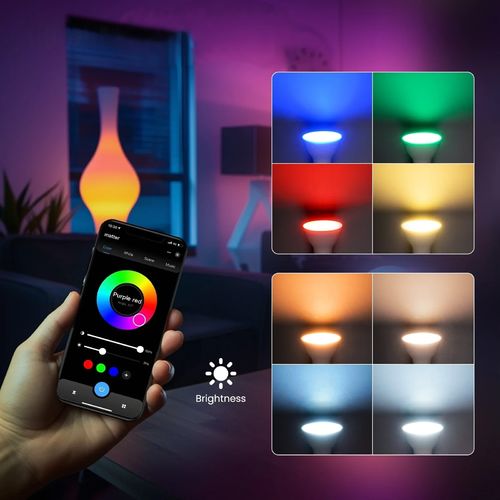
    Smart GU10 bulbs offer features like WiFi connectivity, voice control, and color-changing options, but they can introduce new troubleshooting challenges.

    1. Connectivity Issues

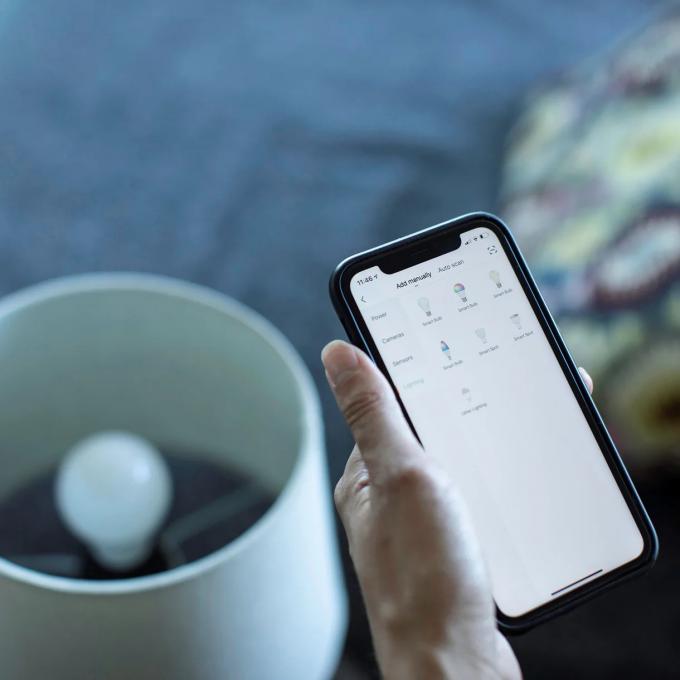
    If a smart bulb won’t connect, ensure your WiFi network is 2.4 GHz. Many smart bulbs are not compatible with 5 GHz networks. Also, check that the bulb is within range of your router.

    2. App & Control Problems

    If you can’t control the bulb via an app or voice assistant, try a factory reset on the bulb (usually by cycling the power on/off a few times) and re-pair it with the app. Ensure your app and firmware are up to date.

    3. Color Inconsistency

    If a bulb’s color temperature or RGB setting drifts, it’s often a sign of a low-quality driver or LED chip. High-quality smart bulbs maintain consistent color temperature across their dimming range and a stable color output over time.

    GU10 vs. MR16: The Modern Solution, Not the Problem

    A common source of confusion is the difference between GU10 and MR16 bulbs. MR16 bulbs operate on low voltage and require a transformer, while GU10 bulbs run directly on mains voltage (220-240V). This makes GU10s easier to install but more sensitive to mains voltage fluctuations, which is why a robust driver is so critical. Modern GU10 LEDs have overcome the heat, lifespan, and dimmer issues associated with their halogen predecessors, making them a superior and reliable solution.

    Image Placeholder
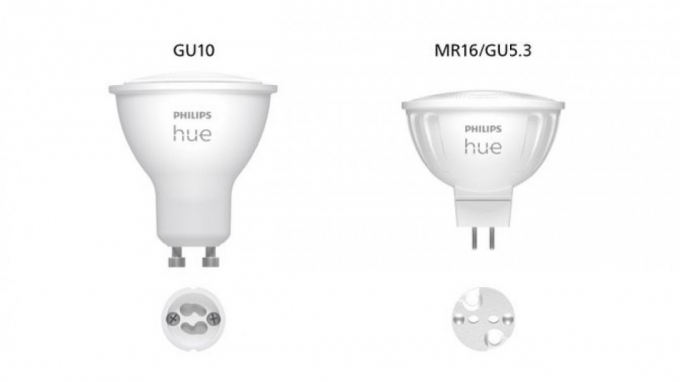
    Image Title: GU10 vs MR16 base types
    Alt Text: A side-by-side comparison image of a GU10 bulb base (two-pin twist-and-lock) and an MR16 bulb base (two-pin push-in with a narrower pin spacing).

    Feature Halogen GU10 LED GU10 (Modern) Benefit
    Energy Usage High (50W) Very low (4-7W) Massive energy savings.
    Heat Output Very high (can burn) Minimal (warm to the touch) Safer, prevents fixture damage, extends lifespan.
    Lifespan ~1,000-2,000 hours Up to 40,000 hours Reduces maintenance and replacement costs by over 90%.
    Dimmable Yes (with any dimmer) Yes (with proper switch) Requires compatible trailing-edge dimmers for optimal performance.
    Color Rendering (CRI) ~100 (natural light) 80-98 High-CRI LEDs provide excellent, true-to-life color reproduction.
    UV Output High None Protects materials, artwork, and goods in retail displays.

    The End of the Line: When to Replace an LED Bulb

    Even the highest quality LEDs don’t last forever. Unlike halogens that burn out suddenly, LEDs experience a gradual process of light degradation known as lumen degradation. Knowing the signs of a bulb nearing its end of life is crucial for proactive maintenance, especially in commercial spaces where consistent lighting is key.

    1. Gradual Dimming (Lumen Degradation)

    LEDs don’t “burn out”—they fade. This process is quantified by a bulb’s Lumen Maintenance (L70) rating, which indicates the number of hours the bulb will operate before its brightness drops to 70% of its initial output. If a bulb’s brightness has dropped by 30% or more, its useful life is over.

    2. Noticeable Color Shift

    A high-quality warm white LED should maintain its color temperature for years. If you notice a bulb now looks bluish, greenish, or simply washed out compared to others on the same circuit, it’s a sign that the phosphor coating on the LED chip is degrading. This is a clear indicator of a bulb nearing failure.

    3. Physical Signs and Buzzing Sounds

    Visible discoloration, burn marks around the bulb’s base, or a persistent, loud buzzing sound are all clear indicators of a failing internal driver. These bulbs can be a fire hazard and should be replaced immediately.

    Image Placeholder
    Image Title: LED bulb showing color shift
    Alt Text: A gallery of images showing signs of a failing LED bulb: a visibly dimmer bulb next to a new one, a bulb with a discolored, yellowish tint, and a third with a burn mark on the base.

    For commercial settings, a proactive replacement schedule (e.g., replacing all bulbs in a room every 3-5 years) is recommended to maintain consistent brightness and avoid unexpected failures during peak hours.

    Teco GU10 Product Recommendations

    To eliminate guesswork, here are our top-rated Teco GU10 LEDs tailored for different needs:

    Product Name Wattage Dimmable Beam Angle CRI Material Warranty Ideal For
    Teco GU10 Pro 7.5W Yes 10°/24°/36°/60° RA98 Die-cast Aluminum 3 Years Hospitality, Retail
    Teco GU10 Basic 5.5W Yes 38°/60° RA90 Plastic-Aluminum 2 Years Residential, Office
    Teco GU10 Dimmable Glass 5W Yes 38°/60° RA80 Glass 2 Years Decorative Spots, Art
    Teco GU10 Emergency 4W Yes 36° RA90 Plastic-Aluminum 1 Year Corridors, Exit Lighting
    Teco GU10 Smart 5W Yes 38°/60° RA90 Glass 2 Years Smart Home, Ambiance

    Image Placeholder
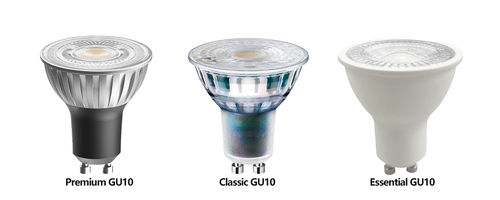
    Image Title: Teco GU10 LED product lineup
    Alt Text: A side-by-side image of Teco GU10 LED products in various housings, showcasing the full product range from the aluminum Pro series to the classic glass design.

    View Full Product Catalog on TecoLite.com

    Conclusion: Solve Problems, Build Trust

    Most GU10 LED issues stem from poor installation practices, low-quality components, or dimmer incompatibility. By choosing a quality solution like Teco GU10 LED bulbs, you’re not just buying a bulb—you’re investing in reliability. Our products are engineered with advanced heat dissipation, certified components, and flicker-free dimming to minimize maintenance costs and maximize client satisfaction.

    This strategic approach transforms a potential troubleshooting headache into a professional advantage, ensuring your lighting installations are a source of efficiency and enhanced user experience for years to come.
  • Smart GU10 LED Bulbs: The Complete B2B Guide to Dimming, Color & Connectivity

    Smart GU10 LED Bulbs: The Complete B2B Guide to Dimming, Color & Connectivity

    In today’s dynamic lighting landscape, smart GU10 LED bulbs offer unparalleled control, from vibrant color customization and precise dimming to seamless remote management. While these features promise significant enhancements for professional projects and resale opportunities, navigating their true practical value, system compatibility, and long-term reliability can be challenging. This guide is tailored for businesses and professionals, analyzing what makes a smart GU10 LED installation truly successful and how to overcome common hurdles in system integration, setup, and network stability.

    Compatibility with Smart Home Systems: What You Need to Know

    Smart GU10 LED Bulbs: The Complete B2B Guide to Dimming, Color & Connectivity  0

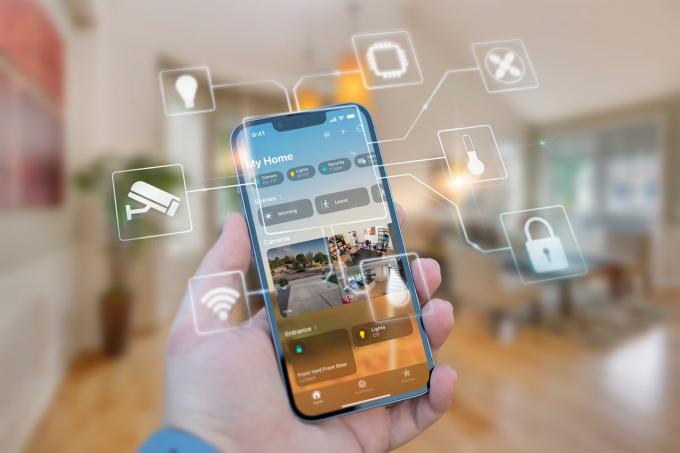
    A smart GU10 bulb is only as smart as the ecosystem it joins. Some bulbs simply won’t sync with major platforms like Alexa or Google Home, leading to frustrating integration issues.

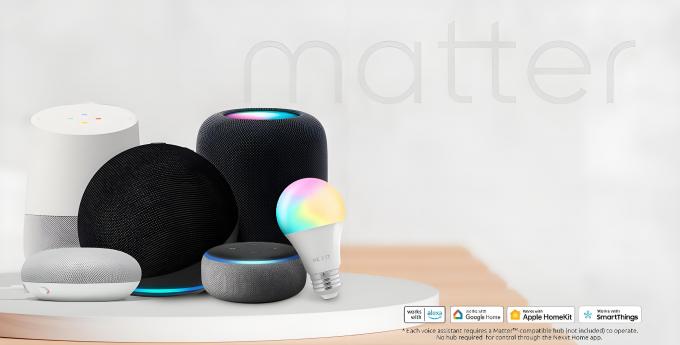
    Before buying, confirm your smart GU10 bulbs explicitly support Amazon Alexa, Google Home, Apple HomeKit, or SmartThings. This ensures seamless control and automation within your chosen smart ecosystem.

    Smart Home Platform Support Overview

    Platform Common Support Notes
    Alexa ✅ Most brands Voice + App control
    Google Home ✅ Most brands Full integration
    Apple HomeKit ❌ Limited support Usually needs a hub
    SmartThings ⚠️ Brand-specific Check before buying

    Always look for “Works with Alexa/Google” logos on product packaging. HomeKit users should pay extra attention to hub requirements, as direct connection isn’t always available.

    Hub vs. Hub-less Operation: Which Setup is Better?

    Smart GU10 LED Bulbs: The Complete B2B Guide to Dimming, Color & Connectivity  1

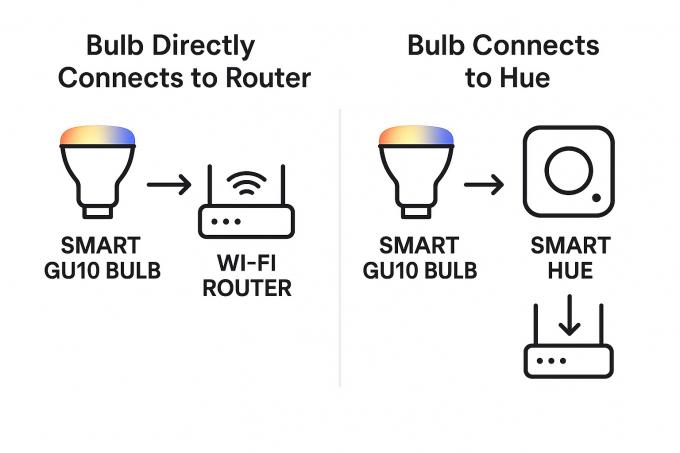
    Some smart GU10s require a separate hub to function, acting as a central bridge to your network. Others connect directly to your existing WiFi. Understanding the differences is key for scalability and reliability.

    Hub-less bulbs offer easier initial setup by connecting directly to WiFi. However, hub-based systems generally provide more reliability and speed, especially critical in commercial or larger residential installations.

    Quick Comparison: Hub-less vs. Hub-Based Systems

    Type Pros Cons
    Hub-less (WiFi) Easy setup, app-ready Risk of network drops, slower response
    Hub-based (Zigbee/Z-Wave) Faster, more stable Needs extra hardware, more complex setup

    Hub-less systems are popular for small, straightforward setups. Yet, for multi-room control, extensive smart device networks, or professional installations where stability is paramount, Zigbee or Z-Wave hubs typically offer superior signal consistency and robust group control.

    Setup and Installation Difficulties: What to Expect

    Smart GU10 LED Bulbs: The Complete B2B Guide to Dimming, Color & Connectivity  2

    Smart bulbs promise “plug-and-play,” but reality can involve confusing apps, pairing failures, or unexpected firmware updates.

    Most setup issues stem from poor WiFi signals, outdated apps, or unclear instructions. These are generally solvable with a good user manual and a strong, dedicated 2.4GHz WiFi network.

    Common Setup Issues

    • Bulb not appearing or disconnecting during pairing.

    • WiFi router primarily using 5GHz (most smart bulbs need 2.4GHz).

    • Requiring multiple apps (e.g., manufacturer’s app plus a smart platform app).

    Installation Tips for Success

    • Rename your 2.4GHz and 5GHz networks separately on your router.

    • Pair bulbs close to your router initially.

    • Use recognized branded apps like Tuya Smart, Smart Life, or Philips Hue for a smoother experience.

    Always test one bulb thoroughly before rolling out installations in large quantities.

    Dimmable Performance and Flicker Issues: A Closer Look

    While smart GU10s almost universally include dimming, the actual performance isn’t always smooth. Inconsistent brightness steps, noticeable flicker at low light levels, or jerky transitions are common complaints.

    Only high-end smart GU10s, typically with advanced constant current drivers (CCRs) and optimized Pulse Width Modulation (PWM), offer truly smooth, flicker-free dimming across the entire range via apps or voice commands.

    What to Expect from Smart GU10 Dimming

    Brand Flicker-Free? Dimming Steps Notable Issue
    Philips Hue ✅ Very smooth More expensive upfront
    Tuya-based bulbs ⚠️ Some flicker 10–12 steps Quality can be variable
    No-brand WiFi ❌ Often jerky May fail below 20% brightness

    For applications where flicker is a concern, such as workspaces, retail showrooms, or video conferencing areas, prioritizing bulbs with high-frequency PWM or CCR-based dimming is essential.

    Color Accuracy and Brightness: Evaluating Smart GU10 Output

    Smart GU10 LED Bulbs: The Complete B2B Guide to Dimming, Color & Connectivity  3

    Color-changing smart bulbs offer immense creative potential, but poor color reproduction can make lighting appear unnatural, affecting everything from product display to human appearance under warm whites.

    Always check the CRI (Color Rendering Index) rating and look for RGBW support. Many budget smart GU10s lack dedicated warm white LEDs, often resulting in simulated, washed-out, or unnatural white tones.

    How to Evaluate Color & Brightness

    • CRI > 80 is good; CRI > 90 is preferred for realistic color reproduction.

    • Prioritize RGBW bulbs over RGB-only bulbs, as RGBW includes a dedicated white LED chip, providing richer, brighter, and truer white tones.

    • Look for bulbs supporting a wide color temperature range (e.g., 2700K–6500K) for maximum flexibility.

    Some budget bulbs simulate white using only RGB chips, which leads to significantly lower lumen output and a perceptibly weaker or “fake” white light compared to bulbs with dedicated white LEDs.

    Reliability and Connectivity Issues: Maintaining Performance

    Smart GU10 LED Bulbs: The Complete B2B Guide to Dimming, Color & Connectivity  4

    A major frustration with smart bulbs is when they unexpectedly stop responding—especially after a power cut, WiFi disruption, or network change. This can disrupt operations and diminish user experience.

    The most common failure points for smart bulbs are weak WiFi signals, overloaded routers, and poor firmware design. Hub-connected bulbs generally tend to be more stable due to their dedicated network protocols.

    Preventive Actions for Reliability

    • Keep bulb firmware updated for bug fixes and performance improvements.

    • Use mesh WiFi systems or signal repeaters in large buildings for robust coverage.

    • For critical bulbs, consider assigning static IP addresses to prevent connectivity drops.

    • Limit the number of smart devices connected to a single router if you experience degradation.

    Avoid low-quality imports with unbranded apps, as they are most prone to disconnecting or becoming unresponsive.

    Dive Deeper: Understanding Smart Bulb Network Protocols and Stability

    The reliability of your smart GU10 bulbs fundamentally depends on the underlying communication protocol and your network’s robustness. There are three primary protocols smart bulbs use:

    • Wi-Fi: Many hub-less smart bulbs connect directly to your Wi-Fi network (typically 2.4GHz). While convenient for small setups, Wi-Fi can quickly become congested. Each bulb consumes an IP address and bandwidth. In larger installations, a standard router may struggle to handle dozens or hundreds of smart devices, leading to dropped connections, slow response, and instability. The 2.4GHz band, while offering better range, is prone to interference. This direct connection can also make devices vulnerable to network issues, often requiring manual re-pairing. For commercial settings, Wi-Fi-only bulbs may lack the necessary scale or resilience without significant network infrastructure.

    Zigbee/Z-Wave: These are low-power mesh networking protocols designed for smart home devices. Instead of connecting directly to the router, devices connect to a central hub. Crucially, Zigbee and Z-Wave devices can act as repeaters, extending the network’s range as you add more devices. This creates a highly robust “mesh” where signals can hop from bulb to bulb, offloading traffic from your main Wi-Fi network and providing a more stable and responsive environment for numerous devices. Hub-based systems also offer better security, localized control (often without internet access), and faster group actions. This makes them ideal for professional installations demanding high reliability and scalability.

    • Bluetooth: Less common for whole-home lighting, Bluetooth-enabled GU10s usually connect directly to a smartphone or a dedicated bridge within a limited range. They’re good for individual bulb control in small spaces but lack the scalability and automation of Wi-Fi or hub-based systems. Some systems use Bluetooth for initial setup, then switch to Wi-Fi or Zigbee.

    Understanding these protocols helps design a stable smart lighting system. For large-scale or mission-critical applications, a hub-based Zigbee/Z-Wave system generally offers superior performance and resilience, minimizing frustrating connectivity drops and maintenance calls. Proactive network planning, including strong Wi-Fi coverage or strategic hub placement, is paramount for success.

    Scheduling, Scenes, and Automation Features: Maximizing Smart GU10 Benefits

    Smart GU10 LED Bulbs: The Complete B2B Guide to Dimming, Color & Connectivity  5

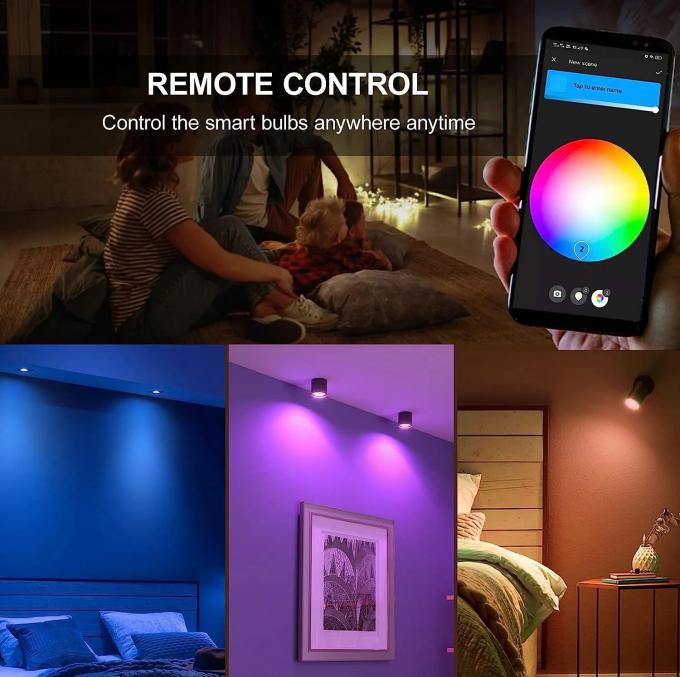
    One of the biggest advantages of smart GU10 LEDs lies in their advanced automation capabilities. You can move beyond simple on/off control to set precise schedules, trigger dynamic scenes, and create custom routines—all managed conveniently from your smartphone or voice assistant.

    Smart GU10 bulbs support comprehensive daily scheduling, voice-activated routines, and customizable ambient scenes, but the effectiveness of these features relies heavily on pairing with a robust and intuitive smart home app.

    Typical Automation Features

    Feature Description
    Schedules Set precise on/off times and brightness by day.
    Scenes Instantly activate predefined combinations of colors, brightness, and color temperatures.
    Geofencing Auto control based on your (or a user’s) location.
    Sunrise/Sunset Auto adjust lights to mimic natural daylight patterns.

    Well-developed apps like Smart Life, Tuya Smart, and Philips Hue offer extensive customization for these features. Always verify your chosen smart platform’s specific capabilities before purchasing in volume.
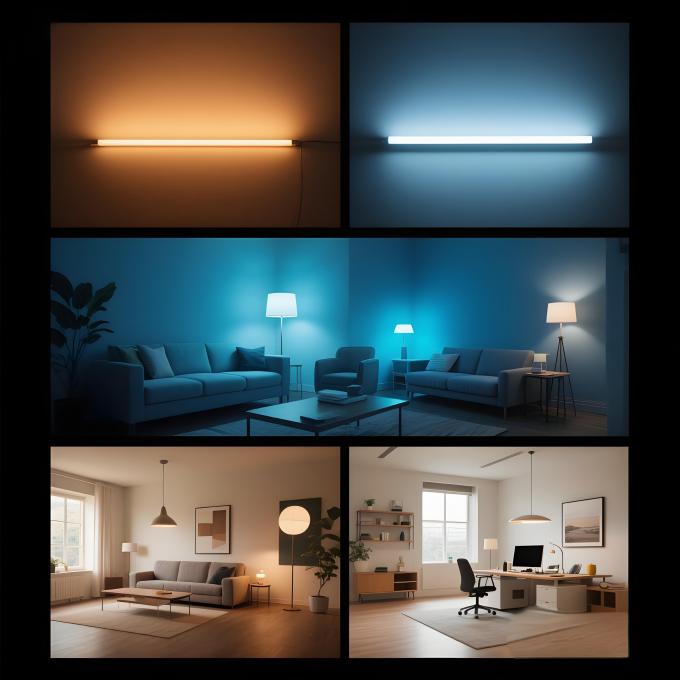
    Best Smart GU10 Brands and Value for Money: Making Informed Choices

    The market for smart GU10 bulbs varies widely in price and reliability. Brand reputation often correlates directly with performance and long-term satisfaction.

    Philips Hue consistently leads in performance and ecosystem stability. Tuya-based brands offer a good balance of value and functionality. Conversely, unknown or no-name brands frequently exhibit early failures and connectivity issues.

    Smart GU10 Brand Overview

    Brand Price Range Works With Notes
    Philips Hue $$$ Alexa, Google, Zigbee High reliability, excellent support
    TCP Smart $$ Alexa, Google Tuya-based, decent quality
    Lidl Silvercrest $ Zigbee Affordable, stable (often region-specific)
    No-brand WiFi $ Inconsistent Avoid for professional installs

    For B2B buyers, prioritizing brands with active firmware support, multi-year warranties, and readily available bulk packaging options is essential for a seamless and sustainable smart lighting deployment.

    Security Concerns and Data Privacy: Safeguarding Your Network

    Smart GU10 LED Bulbs: The Complete B2B Guide to Dimming, Color & Connectivity  6

    Smart bulbs connect to your network, transforming your lighting into an IoT device. This connectivity can expose your network to security risks if not properly secured. Cheap, unencrypted devices may inadvertently leak data or create vulnerabilities.
    To mitigate risks, avoid generic bulbs lacking brand transparency and clear privacy policies. Prioritize devices that utilize industry-standard TLS encryption, have GDPR-compliant apps, and offer regular firmware updates to patch vulnerabilities.

    What to Watch Out For Regarding Security

    • Unknown apps requesting excessive, unnecessary permissions.

    • Lack of a clear firmware upgrade path or manufacturer support.

    • Absence of a transparent user data policy or privacy statement.

    • Devices that expose open ports or use default, easily guessable credentials.

    For any professional installation, stick to reputable brands or Tuya-based bulbs (ensuring the Tuya app itself has a strong privacy policy), as they generally offer better security practices and more robust data handling.

    Conclusion

    Smart GU10 LED bulbs offer a transformative solution for modern spaces, bringing unparalleled control over color, dimming, and automation. However, their true value in professional settings hinges on making informed choices. By carefully considering system compatibility, ensuring robust network stability, and selecting reputable brands, you can confidently overcome common challenges like flickering and connectivity drops. This strategic approach ensures a reliable, long-lasting, and highly versatile lighting installation that delivers significant operational efficiency and an enhanced user experience for your projects.

  • Dimmable GU10 LED Bulbs: Are They Really Compatible? Your Guide to Benefits, Buzzing, and Beam Angles

    Dimmable GU10 LED Bulbs: Are They Really Compatible? Your Guide to Benefits, Buzzing, and Beam Angles

    Tired of flickering, buzzing, or incompatible dimmable GU10 LEDs? Choosing the right bulb shouldn’t feel like trial and error.

    Dimmable GU10 LED bulbs save energy, offer adjustable lighting, and work well—but only if your dimmer and fixture are compatible.

    Let’s walk through everything you need to know to avoid flicker, noise, and premature failure when upgrading to dimmable GU10 LED bulbs.

    GU10 LED Dimmable Compatibility?

    Dimmable GU10 LED Bulbs: Are They Really Compatible? Your Guide to Benefits, Buzzing, and Beam Angles  0

    Not all GU10 dimmable bulbs work with your current setup. Compatibility depends on your dimmer type, load requirements, and the bulb’s internal driver.

    Dimmable GU10 LEDs need trailing-edge or LED-specific dimmers to function properly. Standard dimmers may cause flicker, buzzing, or early failure.

    What Affects Compatibility?

    Several factors influence whether your dimmable GU10 LEDs will work smoothly:

    • Dimmer technology: Older leading-edge dimmers chop voltage inefficiently, causing flicker. GU10 LEDs require trailing-edge dimmers.

    • Minimum load: Many dimmers require a minimum wattage to function correctly. LEDs consume less power, often below that threshold.

    • Driver quality: Poor internal components can’t handle dimming curves well.

    Tips to Ensure Compatibility

    Feature Recommended Specification
    Dimmer Type Trailing-edge or LED-specific
    Load Range Supports low wattage (e.g., 3W–100W)
    Certification CE, RoHS, or UKCA
    Testing Always test one bulb before bulk replacing

    When in doubt, use high-quality brands like Philips Master, Osram, or Teco, which are tested with common dimmers.

    Best Dimmable GU10 LED Bulbs Flicker Free?

    Flickering lights can cause eye strain and ruin the ambiance. Not all “dimmable” GU10 LEDs are truly flicker-free.

    To avoid flickering, choose bulbs with flicker-free certification and pair them with tested dimmer switches designed for LED use.

    Dimmable GU10 LED Bulbs: Are They Really Compatible? Your Guide to Benefits, Buzzing, and Beam Angles  1

    What to Look for in Flicker-Free LEDs

    • Certified flicker-free label (usually
  • Top 4 GU10 LED Bulb Brands Compared: Which One Is Right for You?

    Top 4 GU10 LED Bulb Brands Compared: Which One Is Right for You?

    Confused by too many GU10 LED brands that all claim to be the best?

    This article compares four leading GU10 LED brands—Philips, Osram, Sylvania, and Teco—so you can confidently choose the right supplier for your project.

    Whether you’re a lighting distributor, project contractor, or product buyer like William from Europe, brand choice can determine everything from client satisfaction to warranty claims.

    Who makes the best GU10 LED bulbs?

    Sick of flickering bulbs, color inconsistencies, or early failure rates?

    The best GU10 LED bulbs come from established global brands like Philips and Osram, as well as rising stars like Teco that offer customized, factory-direct solutions.

    Top 4 Brands for GU10 LED Bulbs

    Brand Strengths Best Use Case
    Philips Premium quality, great dimming stability High-end commercial spaces
    Osram Reliable, energy efficient Offices, homes
    Sylvania Affordable, decent lifespan Budget-conscious projects
    Teco Customizable, rare styles, factory direct Rebranding, wholesale B2B

    Philips has been in the lighting game for over a century and continues to innovate in the LED segment. Their GU10s are known for accurate color rendering (CRI up to 97), thermal management, and a wide range of dimmable options.

    Osram, a German lighting pioneer, offers strong mid-range solutions. Their GU10s typically have good build quality, long service life, and consistent performance across multiple environments.

    Sylvania stands out as a practical choice for budget-led projects. While they may not match the lifespan or CRI of Philips, they offer solid reliability at a more affordable price point.

    As for Teco, our brand might not be as globally recognized, but we’re quickly gaining a strong foothold in the B2B LED market. With four production lines, strict quality control, and support for custom logos, we serve buyers in Europe, the Middle East, and Southeast Asia. Teco GU10s offer strong performance, competitive prices, and personalized service.

    Which brand is best for LED lights?

    Not every buyer needs the most expensive LED. What you need is the right balance between performance, price, and customization.

    Philips remains the gold standard for overall LED technology, but brands like Teco offer exceptional value for businesses looking for bulk purchase options.

    How Each Brand Stacks Up

    Brand Color Quality Lifespan Cost Level Dimmable Support
    Philips ★★★★★ 40,000+ hours High Excellent
    Osram ★★★★☆ 25,000 hours Mid Good
    Sylvania ★★★☆☆ 15,000 hours Budget Moderate
    Teco ★★★★☆ 25,000+ hours Competitive Excellent

    For projects requiring top-tier output and durability, Philips remains a strong recommendation. If you’re focused on utility and price, Sylvania delivers. But for brand buyers and engineering teams looking for OEM/ODM flexibility, Teco offers the best blend.

    One of our clients in Singapore outfitted an entire retail chain using Teco GU10s with private labels. The flexibility in packaging and Kelvin temperature made rollout fast and consistent across all locations.

    Are all GU10 LED bulbs the same?

    Think all GU10 bulbs are created equal? They might look alike—but inside, they vary widely in quality, performance, and safety.

    Not all GU10 LED bulbs are the same—differences in size, wattage, beam angle, and compatibility can seriously affect performance.

    Key Variations to Watch

    Wattage & Lumens

    GU10 Wattage Halogen Equivalent Typical Lumens
    3W 30W ~250 lm
    5W 50W ~400 lm
    6.5W 75W–80W 500–575 lm

    Color Temperature Options

    Kelvin Value Description Ideal Use
    2700K Warm white Bedrooms, lounges
    3000K Neutral warm Dining areas, corridors
    4000K Cool white Kitchens, bathrooms
    6000K Daylight white Retail, display lighting

    Beam Angle

    • 36°–40°: Focused task lighting

    • 60°–100°: Wide ambient coverage

    Size Differences

    • Standard: 50mm diameter x 53mm length

    • Compact: Mini GU10 for tight spaces

    • Extended: 75mm CFL replacements

    Teco offers full customization of these specs. Need a GU10 with a 45° beam, dimmable to 10%, with anti-glare lens? We’ve done it before for several European engineering firms.

    One frequent challenge our clients face is compatibility with dimmer switches. We pre-test Teco dimmable GU10s with both leading-edge and trailing-edge dimmers to ensure zero flicker.

    Which GU10 is most energy efficient?

    Trying to reduce electricity bills or hit sustainability targets?

    Philips and Teco both offer GU10 LEDs that deliver over 100 lumens per watt—maximizing brightness with minimal energy use.

    Energy Efficiency Comparison

    Brand Wattage Lumens Efficiency (lm/W) Rated Life (hrs)
    Philips 5.5W 575 104.5 40,000
    Osram 4.6W 420 91.3 25,000
    Sylvania 4.2W 345 82.1 15,000
    Teco 5W 525 105.0 25,000+

    In one hotel retrofit project in Saudi Arabia, switching to our dimmable GU10s cut energy consumption by over 80% and eliminated overheating issues entirely.

    Plus, our bulbs are cooler to the touch, safer to handle, and less prone to failure over time. We use thick aluminum heat sinks and tested constant-current IC drivers to ensure stable performance.

    We also offer GU10s with built-in motion sensors, which further reduce waste and suit modern lighting control systems perfectly.

    Conclusion

    If you’re looking for premium quality, go with Philips. For a balance of performance and affordability, Osram or Sylvania work well. But if you want custom branding, flexible design options, and factory-direct pricing, Teco offers unbeatable value.

    Whether you’re lighting a retail chain or supplying a national distributor, the brand you choose can impact your entire project lifecycle. Choose wisely—and let us know if you’d like to see Teco samples.

  • Incandescent vs LED: Which Light Bulb is Really Worth Your Money?

    Incandescent vs LED: Which Light Bulb is Really Worth Your Money?

    Incandescent vs LED: Which Light Bulb is Really Worth Your Money?  0

    Are you still using incandescent bulbs? You might be paying more than you should—every single day.

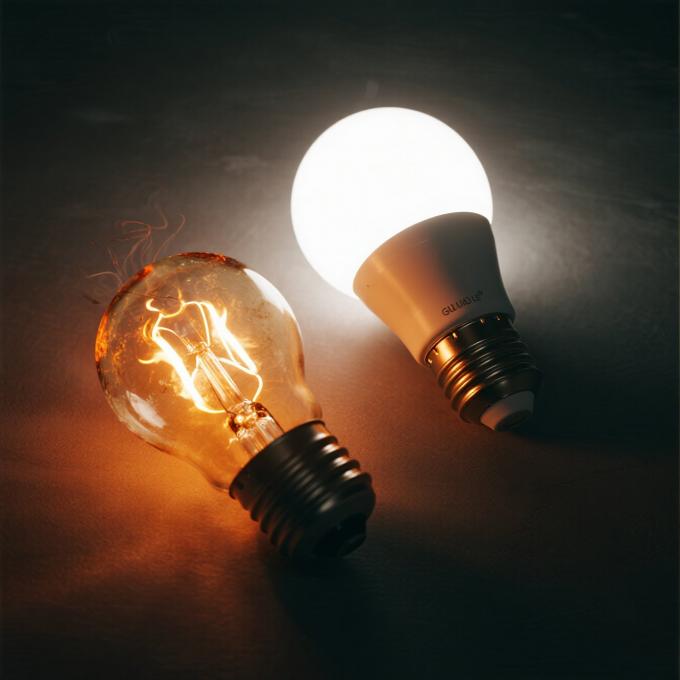
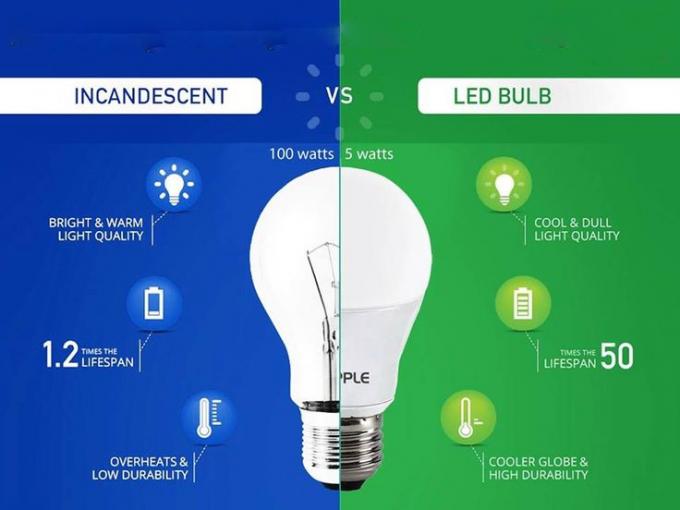
    LED bulbs use up to 90% less energy than incandescent ones, last far longer, and produce less heat. For any business that values efficiency and cost-saving, the switch is a no-brainer.

    But beyond energy efficiency, how do LED and incandescent bulbs compare? And which is best for your space and goals?

    Why Lighting Choices Matter?

    Incandescent vs LED: Which Light Bulb is Really Worth Your Money?  1

    Lighting affects not only energy costs but also mood, productivity, and safety. Choosing the right bulb impacts more than you think.

    Lighting choices affect everything from utility bills and environmental impact to visual comfort and ambiance.

    Let’s say you’re managing a restaurant. Warm lighting sets the mood. Cool lighting is great for a kitchen. But using the wrong type of bulb may mean higher electricity bills or having to replace bulbs every few months. That’s not only expensive—it’s inefficient.

    If you’re a buyer like William sourcing thousands of bulbs for commercial clients, choosing between LED and incandescent isn’t a small detail—it’s a strategic decision. Here’s why it matters more than ever.

    Long-Term Costs of Lighting

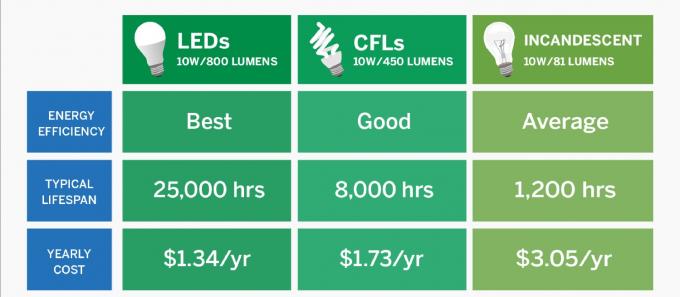
    Bulb Type Avg. Lifespan Energy Use (per 1000 hrs) Est. Annual Cost (10 bulbs)
    Incandescent 1,000 hrs 60 kWh £120+
    LED 25,000+ hrs 10 kWh £20

    Incandescent vs. LED: A Fundamental Comparison?

    Incandescent vs LED: Which Light Bulb is Really Worth Your Money?  2

    Incandescent bulbs have been around for over a century. But is that tradition worth keeping?

    LED bulbs last longer, use less power, and emit less heat, while incandescent bulbs are cheap upfront but expensive to operate long-term.

    Let’s look closer at what this really means:

    Durability and Longevity

    Incandescents typically burn out within 1,000 hours. In contrast, a good quality LED bulb—like those from Teco—can last up to 50,000 hours. That’s 50 times longer. Imagine the savings on labor and replacements, especially for commercial applications.

    Heat and Safety

    Incandescent bulbs convert most of their energy into heat. That’s wasteful and can be dangerous in some environments. LEDs stay cool, reducing fire risk—a key concern in retail, hospitality, or childcare settings.

    Lighting Quality

    Modern LEDs can replicate the warm glow of incandescents, while also offering options like daylight, cool white, and high CRI (Color Rendering Index) for retail displays or showrooms.

    Top 10 User Concerns Explored?

    Switching to LED can feel like stepping into a technical maze. You’re not alone if you’re overwhelmed.

    The top concerns include dimming compatibility, initial cost, brightness, color temperature, fixture compatibility, flickering, warranty, recyclability, availability, and ROI.

    Let’s break down some of these:

    1. Are LEDs dimmable?

    Not all are—but most modern LEDs, especially from trusted brands, are. Just make sure your dimmer is compatible (look for trailing-edge types).

    2. Why are LEDs more expensive upfront?

    Because they pack complex tech. But the payback time is short—often under a year.

    3. Will LEDs work in my existing fixtures?

    GU10 LED bulbs, for example, are direct retrofit replacements for halogens—no rewiring needed.

    4. Do LEDs flicker?

    Only if you use incompatible dimmers or buy low-quality bulbs. At Teco, we ensure our LEDs pass strict flicker-free testing.

    5. What’s the real energy saving?

    Up to 90% less energy. A 5W LED can replace a 50W incandescent.

    Concern Incandescent Bulbs LED Bulbs
    Dimmable Yes Yes (check specs)
    Warm Color Yes Yes (2700K–3000K)
    Flickering Risk Low Low with quality dimmer
    Energy Efficient No Yes
    Upfront Cost Low Medium
    Lifespan Short (1,000 hrs) Long (25,000–50,000 hrs)

    How to Choose the Right Bulb for You?

    Incandescent vs LED: Which Light Bulb is Really Worth Your Money?  3

    Confused by watts, lumens, and color codes? Don’t worry—I’ve simplified the process.

    To choose the right bulb, match lumen output, color temperature, and dimmer compatibility to your application.

    Step 1: Match the Brightness

    Use lumens, not watts. Here’s a quick reference:

    Incandescent Wattage Equivalent LED Wattage Lumens Output
    35W 3W–4W 250–300
    50W 5W 350–420
    80W 6W–7W 500–575

    Step 2: Pick the Right Color Temperature

    Room Type Preferred Color Temp Description
    Bedroom 2700K Warm white
    Living Room 3000K Bright warm
    Kitchen 4000K Cool white
    Office 6500K Daylight/natural

    Step 3: Check the Base Type

    GU10? E27? Make sure you’re choosing the correct base to fit your fixtures.

    Step 4: Decide on Dimming

    If ambiance matters, go dimmable. Just ensure your dimmer is compatible with LEDs.

    Personal Advice from the Factory Floor

    As a manufacturer, I’ve worked with many European clients like William. Their main concerns often boil down to:

    • Flickering — easily fixed by using LED-compatible dimmers.

    • Wrong brightness — solved by using lumen-to-watt comparison.

    • Color mismatch — always check Kelvin temperature and CRI.

    If you’re ordering in bulk, ask us for custom packaging, branded labels, or size adjustments. We do that all the time for contractors and brand buyers.

    Conclusion

    LED is no longer just a trend—it’s the standard. Save more, light better, and make smarter choices today.

  • How to Choose the Best GU10 LED Bulbs: A Comprehensive Buyer’s Guide

    How to Choose the Best GU10 LED Bulbs: A Comprehensive Buyer’s Guide

    Introduction to GU10 LED Bulbs

    GU10 LED bulbs are spotlight bulbs with a twist-and-lock base, featuring two pins 10mm apart. Designed for directional lighting, they’re commonly used in recessed ceiling lights, track lighting, and pendant fixtures. Unlike traditional halogen GU10s, LED versions use light-emitting diode technology, offering superior energy efficiency, longer lifespans, and customizable light quality.

    Why Choose GU10 LED Bulbs?

    GU10 LED bulbs have several advantages:

    • Energy Efficiency: Use 80–90% less energy than halogen equivalents

    • Longevity: Last 15,000–50,000 hours, reducing replacement costs

    • Versatility: Available in various brightness levels, beam angles, and color temperatures

    • Eco-Friendly: Lower energy consumption and no toxic materials like mercury

    This guide will help you navigate the key considerations to find the best GU10 LED bulbs for your space.

    Key Factors to Consider When Choosing GU10 LED Bulbs

    1. Brightness (Lumens)

    Brightness, measured in lumens, determines how much light a bulb emits. GU10 LED bulbs typically range from 250 to 575 lumens, depending on wattage.

    • Low Brightness (250–350 lumens): Ideal for accent lighting, such as highlighting artwork or creating ambiance in living rooms. A 4W GU10 LED often produces 300–345 lumens.

    • Medium Brightness (350–450 lumens): Suitable for task lighting in kitchens, bathrooms, or small offices. A 5W GU10 LED typically delivers 345–400 lumens.

    • High Brightness (450–575 lumens): Best for larger spaces or primary lighting, such as retail displays or workspaces. A 6W GU10 LED can reach 575 lumens.

    2. Color Temperature (Kelvin)

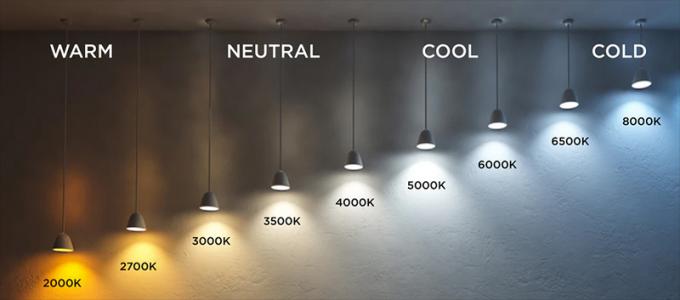
    Color temperature, measured in Kelvin (K), affects the ambiance and functionality of your lighting. GU10 LED bulbs come in a range of temperatures:

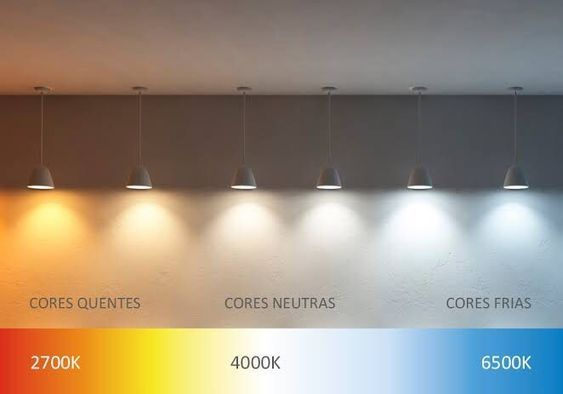
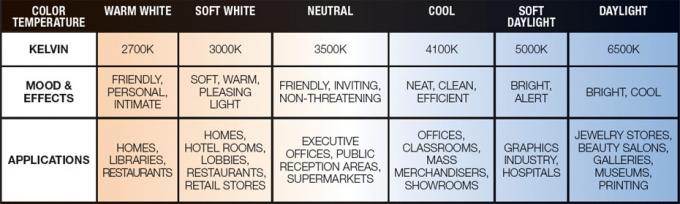
    • Warm White (2700K–3000K): Mimics traditional halogen or incandescent light, creating a cozy, inviting atmosphere. Perfect for living rooms, bedrooms, or restaurants.

    • Neutral White (3500K–4000K): Offers a balanced, natural light suitable for kitchens, bathrooms, or offices where clarity is needed without starkness.

    • Cool White (5000K–6500K): Produces bright, crisp light resembling daylight, ideal for task-oriented spaces like workshops, garages, or retail stores.

    **

    How to Choose the Best GU10 LED Bulbs: A Comprehensive Buyer’s Guide   0

    **

    3. Beam Angle

    GU10 LED bulbs are directional, meaning their beam angle determines how widely or narrowly the light spreads. Common beam angles include:

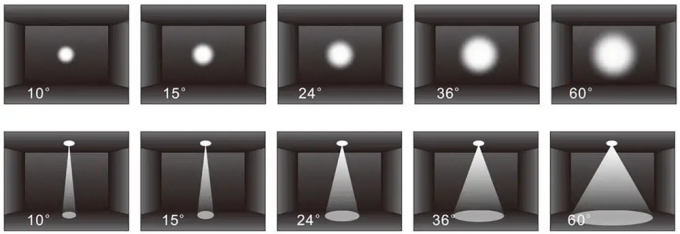
    • Narrow Beam (25°–36°): Focused light for accent lighting, such as spotlighting artwork, sculptures, or retail displays.

    • Medium Beam (38°–45°): Versatile for general lighting in kitchens, hallways, or living rooms, balancing focus and coverage.

    • Wide Beam (60°+): Broad light distribution for larger areas, like open-plan offices or bathrooms, ensuring even illumination.

    **

    How to Choose the Best GU10 LED Bulbs: A Comprehensive Buyer’s Guide   1

    **

    4. Energy Efficiency and Wattage

    GU10 LED bulbs are renowned for their energy efficiency, using 3W–6W to match the brightness of 35W–50W halogen bulbs. Look for the lumens-per-watt rating to gauge efficiency:

    • High Efficiency (80–100 lm/W): A 4.5W GU10 LED producing 360 lumens (80 lm/W) is cost-effective and eco-friendly.

    • Example Savings: Replacing a 50W halogen with a 5W GU10 LED can save 25–30 annually per bulb (based on 8 hours daily use).

    5. Dimmability

    Dimmable GU10 LED bulbs allow you to adjust brightness for ambiance or energy savings. However, not all GU10 LEDs are dimmable, so check the packaging.

    • Dimmable Bulbs: Ideal for living rooms, dining areas, or restaurants where mood lighting is desired. Require compatible trailing-edge dimmer switches.

    • Non-Dimmable Bulbs: Better for spaces needing consistent brightness, like offices or bathrooms.

    6. Color Rendering Index (CRI)

    The Color Rendering Index (CRI) measures how accurately a bulb renders colors compared to natural light (CRI 100). GU10 LED bulbs typically have a CRI of 80–98.

    • CRI 80–90: Suitable for most homes and offices, offering good color accuracy for everyday tasks.

    • CRI 90+: Ideal for art galleries, retail stores, or makeup studios where true-to-life colors are critical.

    7. Lifespan and Durability

    GU10 LED bulbs last 15,000–50,000 hours, compared to 1,000–2,000 hours for halogens. A 25,000-hour bulb lasts over 17 years at 4 hours daily use.

    • Durability: LEDs are solid-state, resisting shock and vibration, making them ideal for high-traffic areas.

    • Maintenance: Fewer replacements reduce costs and hassle, especially in hard-to-reach fixtures like recessed ceiling lights.

    Practical Applications for GU10 LED Bulbs

    GU10 LED bulbs are versatile, suiting a variety of settings based on their brightness, beam angle, and color temperature.

    Residential Use

    • Living Rooms: Warm white (2700K), medium-beam GU10 LEDs create a cozy atmosphere. Dimmable options enhance flexibility for movie nights or gatherings.

    • Kitchens: Neutral white (3500K–4000K), 350–450 lumens, and medium beams provide clear task lighting for cooking or dining.

    • Bedrooms: Warm white, low-brightness GU10 LEDs in narrow beams are perfect for bedside reading or accent lighting.

    Commercial Use

    • Retail Stores: High-CRI (90+), cool white GU10 LEDs with narrow beams highlight products, enhancing visual appeal.

    • Offices: Neutral or cool white, 450–575 lumens, and wide beams ensure bright, even lighting for productivity.

    • Restaurants: Dimmable, warm white GU10 LEDs create an inviting ambiance for dining areas or bars.

    How to Choose the Best GU10 LED Bulbs: A Comprehensive Buyer’s Guide   2

    Top Recommended GU10 LED Bulbs for 2025

    Best Overall Performance: Philips Master LED GU10 5.5W

    • Brightness: 430 lumens

    • Color Temperature: 2700K (Warm White)

    • Lifespan: 40,000 hours

    • CRI: 92

    • Features: Dimmable, 5-year warranty

    • Price Range: $6-8

    Best Budget Option: Osram LED Star 4.3W GU10

    • Brightness: 350 lumens

    • Color Temperature: 3000K (Warm White)

    • Lifespan: 15,000 hours

    • CRI: 80

    • Features: Great value, instant start

    • Price Range: $3-4

    Best Smart Option: Philips Hue GU10 LED 5.5W

    • Brightness: 380 lumens

    • Color Temperature: Adjustable 1700K-6500K

    • Lifespan: 25,000 hours

    • CRI: 90

    • Features: WiFi connectivity, voice control, smartphone app control

    • Price Range: $10-12

    Top Tips for Choosing the Best GU10 LED Bulbs

    • Match Lumens to Purpose: Use 250–350 lumens for accent lighting, 350–450 for tasks, and 450+ for general illumination.

    • Choose the Right Color Temperature: Warm white for cozy spaces, neutral for versatile settings, and cool white for task-oriented areas.

    • Check Beam Angle: Narrow for spotlighting, medium for general use, and wide for broad coverage.

    • Verify Dimmability: Ensure dimmable bulbs pair with compatible trailing-edge dimmers.

    • Prioritize High CRI: Opt for CRI 90+ in spaces where color accuracy matters.

    • Look for Reputable Brands: Philips, Osram, and Teco offer reliable performance and warranties.

    Frequently Asked Questions (FAQ)

    What’s the difference between GU10 LED bulbs and halogen bulbs?

    GU10 LED bulbs use 80-90% less energy than traditional halogen bulbs, last 15-50 times longer (15,000-50,000 hours), generate less heat, and offer various color temperature options (2700K-6500K). A 5W LED bulb can replace a 50W halogen, saving approximately $25-30 per bulb annually.

    How do I know how much brightness (lumens) I need in a GU10 LED bulb?

    Living rooms and dining areas generally benefit from 250-350 lumens of warm white light for a comfortable ambiance; kitchens and bathrooms need 350-450 lumens of neutral white light for clear visibility; commercial spaces or work areas are best with 450-575 lumens of cool white light to enhance focus.

    Can GU10 LED bulbs be installed in existing halogen fixtures?

    Most GU10 LED bulbs can directly replace existing halogen bulbs as they use the same socket type and 120V/230V voltage. However, note that some LED bulbs may be slightly longer than halogens, so check your fixture’s clearance before installation.

    Do dimmable GU10 LED bulbs require special dimmer switches?

    Yes, dimmable GU10 LED bulbs typically require compatible trailing-edge dimmer switches. Traditional leading-edge dimmers may cause flickering or buzzing. Check the bulb packaging for dimmer compatibility information or consult a professional electrician before purchase.

    Environmental Benefits and Cost Considerations

    Environmental Benefits

    GU10 LED bulbs are an eco-conscious choice:

    • Lower Carbon Footprint: Reduced energy use cuts greenhouse gas emissions

    • No Toxins: Unlike some fluorescents, LEDs contain no mercury

    • Recyclable: LEDs can be recycled, though electronic components require proper disposal

    Cost Considerations

    GU10 LED bulbs range from 3-12, depending on brand, features, and performance. While more expensive than halogens (1-3), LEDs offer significant long-term savings:

    • Energy Savings: A 5W GU10 LED replacing a 50W halogen saves $25-30 annually per bulb

    • Lifespan Savings: Fewer replacements reduce maintenance costs, especially in commercial settings

    • Example: Installing ten 5W GU10 LEDs instead of 50W halogens could save 250-300 yearly

    Conclusion

    Choosing the right GU10 LED bulb involves balancing brightness, color temperature, beam angle, and energy efficiency to suit your space. Whether you’re illuminating a cozy living room, a busy kitchen, or a professional retail store, GU10 LED bulbs offer versatility, longevity, and eco-friendly performance. By understanding lumens, Kelvin ratings, CRI, and compatibility, you can confidently select the best GU10 LED bulbs for your needs. Use this buyer’s guide to make an informed decision and enjoy efficient, high-quality lighting for years to come.