.gtr-container-vcl789 {
font-family: Verdana, Helvetica, “Times New Roman”, Arial, sans-serif;
color: #333;
line-height: 1.6;
padding: 15px;
max-width: 100%;
box-sizing: border-box;
}
    .gtr-container-vcl789 .gtr-vcl789-main-title {
        font-size: 18px;
        font-weight: bold;
        margin-bottom: 1.5em;
        text-align: left;
        color: #0056b3;
    }

    .gtr-container-vcl789 .gtr-vcl789-section-title {
        font-size: 16px;
        font-weight: bold;
        margin-top: 2em;
        margin-bottom: 1em;
        text-align: left;
        color: #007bff;
    }

    .gtr-container-vcl789 .gtr-vcl789-subsection-title {
        font-size: 15px;
        font-weight: bold;
        margin-top: 1.5em;
        margin-bottom: 0.8em;
        text-align: left;
        color: #555;
    }

    .gtr-container-vcl789 p {
        font-size: 14px;
        margin-bottom: 1em;
        text-align: left !important;
        word-break: normal;
        overflow-wrap: break-word;
    }

    .gtr-container-vcl789 em {
        font-style: italic;
        color: #666;
    }

    .gtr-container-vcl789 .gtr-vcl789-divider {
        border-top: 1px solid #eee;
        margin: 2em 0;
    }

    .gtr-container-vcl789 ul {
        list-style: none !important;
        padding-left: 20px;
        margin-bottom: 1em;
    }

    .gtr-container-vcl789 ul li {
position: relative;
        padding-left: 20px;
        margin-bottom: 0.5em;
        font-size: 14px;
        text-align: left;
list-style: none !important;
}
.gtr-container-vcl789 ul li::before {
content: "â¢" !important;
position: absolute !important;
left: 0 !important;
color: #007bff;
font-size: 1.2em;
line-height: 1;
top: 0.1em;
}
.gtr-container-vcl789 ol {
list-style: none !important;
padding-left: 25px;
margin-bottom: 1em;
counter-reset: list-item;
}
.gtr-container-vcl789 ol li {
position: relative;
padding-left: 25px;
margin-bottom: 0.5em;
font-size: 14px;
text-align: left;
counter-increment: none;
list-style: none !important;
}
    .gtr-container-vcl789 ol li::before {
        content: counter(list-item) "." !important;
        position: absolute !important;
        left: 0 !important;
        color: #333;
        font-weight: bold;
        width: 20px;
        text-align: right;
        line-height: 1;
        top: 0.1em;
    }

    .gtr-container-vcl789 p strong,
    .gtr-container-vcl789 li strong,
    .gtr-container-vcl789 .gtr-vcl789-subsection-title strong {
font-weight: bold;
list-style: none !important;
}
    @media (min-width: 768px) {
        .gtr-container-vcl789 {
            padding: 30px 50px;
            max-width: 960px;
            margin: 0 auto;
        }

        .gtr-container-vcl789 .gtr-vcl789-main-title {
            font-size: 24px;
            margin-bottom: 2em;
        }

        .gtr-container-vcl789 .gtr-vcl789-section-title {
            font-size: 20px;
            margin-top: 2.5em;
            margin-bottom: 1.2em;
        }

        .gtr-container-vcl789 .gtr-vcl789-subsection-title {
            font-size: 18px;
            margin-top: 2em;
            margin-bottom: 1em;
        }

        .gtr-container-vcl789 p,
        .gtr-container-vcl789 ul li,
        .gtr-container-vcl789 ol li {
            font-size: 15px;
        }
    }
Voice-Controlled LED Lighting: Redefining Smart User Experience
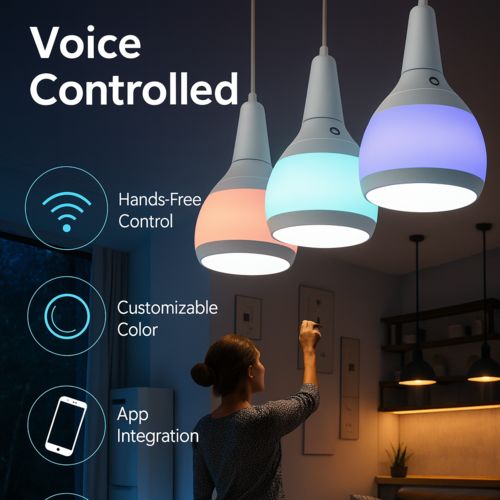
Smart lighting has entered a new phase. What began as simple app-controlled bulbs has evolved into a voice-driven ecosystem where users interact with lighting through natural conversation—not interfaces. For B2B buyers, this shift is more than a consumer trend; it is a fundamental change in how lighting is deployed, managed, and experienced in residential, hospitality, commercial, and retail environments.
Voice-controlled LED lighting is reshaping expectations for comfort, accessibility, and automation. It reduces friction for end users, simplifies facility management, and unlocks new value for distributors and OEM/ODM suppliers who want to differentiate their product lines. This article explores how voice-controlled LED technology works, what benefits it delivers, its integration challenges, and how businesses can adopt the trend strategically.
Why Voice Control Matters in the Future of Smart Lighting
End users no longer want to open apps, browse menus, or search through smartphone settings to adjust the lights. They want hands-free interactions—smooth, natural, intuitive.
For professionals in lighting, the shift matters for three reasons:
1) Human-centric control becomes the default
- Voice removes barriers for elderly users, children, and guests unfamiliar with technology.
-
Lighting becomes immediate: “Alexa, brighten the living room to 60%.”
-
Environments respond to mood and tasks with minimal user effort.
2) Strong demand from property developers & hospitality
Hotels, rental apartments, and smart home developers want:
Voice control drastically increases perceived value at low marginal cost.
3) Ecosystem partners influence brand competitiveness
Products that integrate with Alexa, Google, Siri, or SmartThings enjoy:
For B2B buyers, compatibility ≠ luxury—it is now a requirement.
How Voice-Controlled LED Lighting Works (Technical Overview)
Voice-controlled LED bulbs rely on a combination of hardware and software layers. Understanding this framework helps distributors and OEM clients make informed sourcing decisions.
2.1 Core Components
- LED light source
– High-efficiency SMD LEDs
– Proper heat management to maintain lumen maintenance and color stability
Smart driver + connectivity module
– Wi-Fi, Bluetooth Mesh, or Zigbee
– Often based on Tuya, Philips Hue, or proprietary chipsets
- Cloud integration layer
– Enables voice commands to translate into device actions
– Handles synchronization, automation, and over-the-air updates
Voice assistant platform
– Amazon Alexa
– Google Assistant
– Apple Siri HomeKit
– Samsung SmartThings
Each component affects performance, latency, reliability, and long-term support.
Supported Voice Ecosystems: What Buyers Must Know
Not all voice-enabled light bulbs behave the same. Understanding each ecosystem helps B2B buyers prevent costly mismatches.
3.1 Amazon Alexa
- Widest global adoption
-
Seamless switching, dimming, color control
-
Strong support for routines and multi-device grouping
-
Preferred by rental homes and hospitality applications
3.2 Google Assistant
- Strong in smart home automation
-
Smooth control of brightness, CCT, and scenes
-
Often bundled in Android-based smart TVs (hotel rooms, apartments)
3.3 Apple HomeKit / Siri
3.4 Samsung SmartThings
B2B takeaway:
Always confirm which ecosystem your buyers or partners require before selecting a connectivity platform. Certification leads times can reach 2–4 months.
Key Benefits for B2B Customers
Voice-controlled LED lighting is not just a consumer convenience—it has measurable commercial value.
Benefit 1: Simplifying SKU Management
One voice-enabled SKUs can replace:
- standard LED bulbs
-
app-only smart bulbs
-
switch-dimmable bulbs
This reduces warehouse pressure and eliminates inventory fragmentation.
Example:
A wholesaler supplying 200+ hotels consolidated 12 SKUs down to 4 by adopting a unified voice-compatible platform.
Benefit 2: Enhanced User Satisfaction in Hospitality & Retail
Guest experience improves significantly when lighting requires no onboarding.
“Turn down the lights.”
“Change the mood to warm.”
“Set a romantic scene.”
Hotels and rental properties use voice-controlled LEDs to:
Benefit 3: Better Accessibility in Smart Living Spaces
Voice lighting supports:
This aligns with global trends in “age-friendly housing” and government incentives for accessible technology.
Benefit 4: Energy Efficiency Through Scheduling
Voice platforms automate:
- occupancy routines
-
time-based dimming
-
daylight compensation
This reduces wasted energy in:
Benefit 5: Upsell Potential for Distributors and OEMs
Selling voice-controlled LEDs increases:
Smart lighting is among the highest-margin categories in many regions.
Technology Considerations When Choosing Voice-Controlled LEDs
For OEM/ODM clients and bulk procurement specialists, filtering products by performance is essential.
5.1 Connectivity Type
Wi-Fi
- Most common
-
Best for small spaces
-
Higher bandwidth load
Zigbee / Matter
- More stable in multi-room or large buildings
-
Low failure rate
-
Excellent group control
Bluetooth Mesh
5.2 Flicker & Dimming Performance
Poor driver design = flicker complaints.
Best-in-class LEDs use:
This is essential for:
- filming environments
-
retail stores
-
offices
-
hospitality
5.3 Color Accuracy and CCT Flexibility
B2B buyers should focus on:
Lighting with poor color mixing often causes:
- washed-out whites
-
inconsistent tones
-
customer dissatisfaction
5.4 Data Security and Privacy
Enterprises must choose suppliers that support:
Low-quality imports are the most vulnerable to cybersecurity flaws.
Applications Across Industries
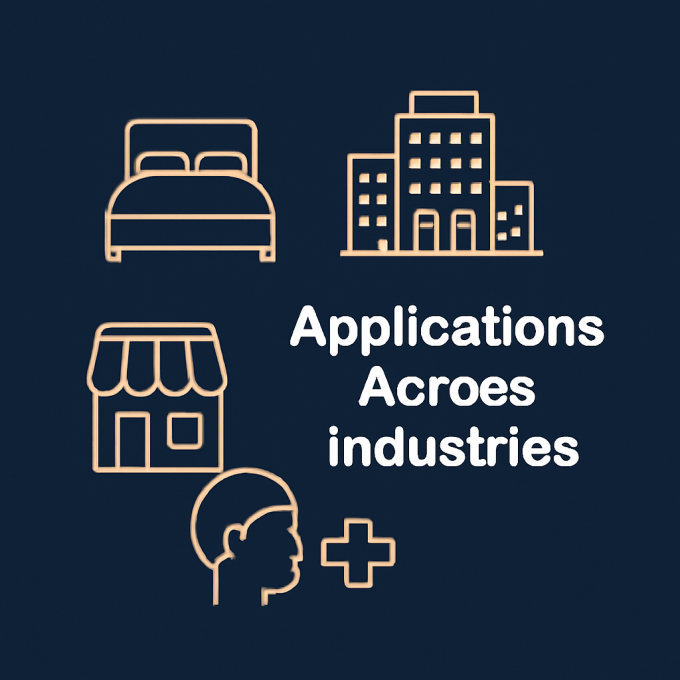
Voice-controlled LED lighting is expanding beyond residential environments.
Hospitality (Hotels, Airbnb, Serviced Apartments)
Benefits:
Typical Use:
- Bedside lamps
-
Accent lighting
-
Bathroom mirrors
-
Living room scenes
Commercial Offices
Benefits:
Retail Spaces
Benefits:
Healthcare & Assisted Living
Benefits:
Common Challenges and How to Avoid Them
1. Network Congestion
Use Zigbee or Matter for projects with 50+ devices.
2. Mixed Ecosystems
Standardize on one protocol per project.
3. User Training
Place simple instruction cards in hotels or rentals.
4. Inconsistent Firmware
Choose brands with:
5. Compatibility Misunderstandings
Always confirm platform certification:
“Works with Alexa / Google / Siri / SmartThings.”
Why Distributors and OEM Clients Should Invest in Voice-Controlled LED Platforms
Voice control is not a trend—it is becoming the default UI for smart homes and smart buildings.
Investing early allows distributors and OEM clients to:
- future-proof their product catalog
-
partner with ecosystem leaders
-
build long-term recurring customers
-
reduce churn and returns
-
sell value, not just price
In competitive lighting markets, ecosystems drive loyalty more than wattage or price ever will.
Conclusion
Voice-controlled LED lighting represents the next frontier of user-centered illumination. For B2B customers—whether wholesalers, retailers, project contractors, or OEM/ODM brands—the opportunity is substantial. These systems elevate user experience, reduce operational complexities, and enable scalable smart-lighting deployments.
Lighting is no longer passive infrastructure. With voice control, it becomes responsive, intuitive, and integral to the modern smart environment.
Businesses that adapt early will lead the next wave of smart lighting adoption across regions and industries.


 Your message must be between 20-3,000 characters!