Why Energy Ratings on LED Bulbs Matter
Understanding LED bulb energy rating is essential for anyone aiming to reduce electricity consumption without compromising lighting performance. With growing attention on LED energy efficiency, energy labels have become the go-to reference for buyers comparing products for home, office, and industrial use.
Fact: Lighting accounts for around 15% of global electricity use. Switching to efficient bulbs like LED can cut lighting energy use by up to 80%.
Source – International Energy Agency
What Does an Energy Rating Mean on LED Bulbs?
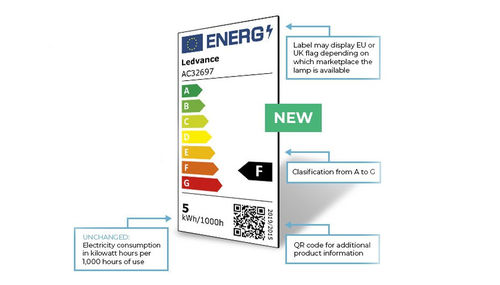
The energy class for light bulbs (A to G, under the new EU scale) reflects how effectively a bulb converts electrical power (watts) into visible light (lumens). A higher rating, such as Class A, means higher efficiency and lower environmental impact.
Understanding LED energy labels helps consumers and businesses make cost-effective, sustainable choices.
Understanding the New EU Energy Label for LED Lighting
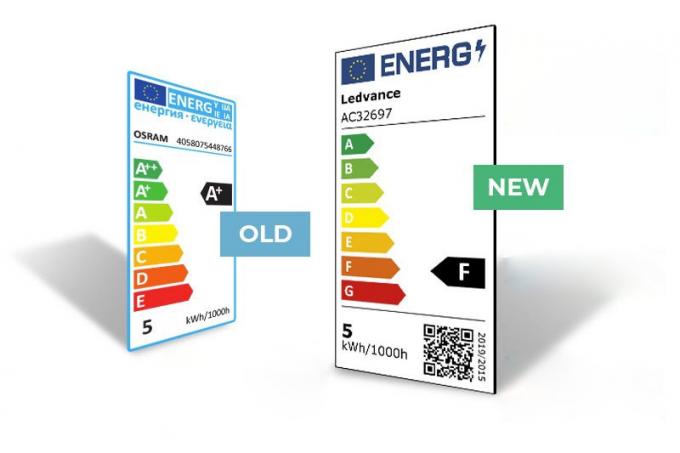
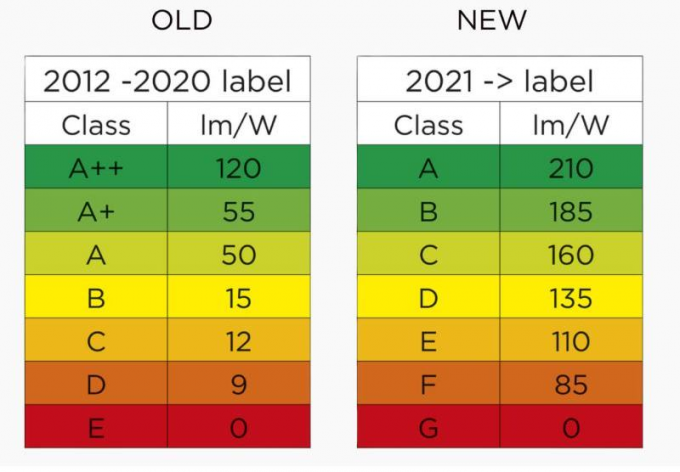
Since March 2021, the EU introduced a rescaled energy label ranging from A (most efficient) to G (least efficient), replacing the old A++/A+/A system.
What Changed?
Read more at the official EU Energy Label site
How to Read LED Bulb Energy Labels Correctly
Key Elements on the Label:
| Label Section |
Description |
| Energy Class (A–G) |
Indicates overall efficiency |
| Lumens (lm) |
Brightness level; higher means brighter light |
| Watts (W) |
Power consumption |
| kWh/1000h |
Energy used per 1000 hours (e.g., 6kWh) |
| QR Code |
Directs to EPREL database for product details (EPREL Info) |
LED Light Bulb Efficiency Scale Explained
An important factor when comparing bulbs is lumens per watt (lm/W) — a direct measurement of efficiency.
| Energy Class |
Typical lm/W for LEDs |
| A |
≥ 210 lm/W |
| B |
185–209 lm/W |
| C |
160–184 lm/W |
| D–F |
85-159 lm/W |
| G |
ï¼85 lm/s |
The best energy-rated LED bulbs usually fall into Class A or B, providing strong brightness with low consumption.
Energy Class A vs F: What’s the Difference?
For both homes and offices, investing in Class A or B bulbs provides long-term energy and cost benefits.
How to Compare LED Bulb Energy Labels
When comparing bulbs, consider:
- Brightness needs (lumens)
-
Fitting type (GU10, E27, MR16, etc.)
-
Power consumption (watts)
-
Label efficiency (Class A–G)
-
Application context (task lighting, ambient, decorative)
For example, a 6W LED bulb producing 800 lumens is more efficient than a 9W LED doing the same.
You can use online tools like Topten EU’s Efficiency Database to search for high-rated LED models.
How to Choose Energy-Efficient Lighting Using Labels
Step-by-Step Guide:
- Check the energy class (prefer A or B)
-
Compare lumens, not watts
-
Look for low kWh/1000h consumption
-
Use the QR code to view product details
-
Select color temperature and beam angle appropriate to your use
Best Energy-Rated LED Bulbs for Home and Office
Some examples of high-efficiency LED models include:
- Philips Master LED ExpertColor GU10 – Class A, ~210 lm/W
-
Osram Parathom Pro MR16 – Class B, ~190 lm/W
-
GE LED Classic Series – Class C, budget option with decent efficiency
When choosing for offices, focus on:
For homes, choose:
Energy Efficiency vs Cost: The Long-Term Perspective
Though Class A LED bulbs might cost 20-30% more upfront, their lower power usage and longer lifespan (25,000–50,000 hours) yield significant total cost savings.
Example: A Class A 6W LED saves up to $30 in electricity over 5 years compared to a Class F equivalent.
Glossary of Key Terms
- Lumen (lm): Measures light output (not power).
-
Watt (W): Power consumed by the bulb.
-
kWh (kilowatt-hour): Energy used over time.
-
Lumens per watt (lm/W): Measure of light output per power consumed.
-
Energy label (EU): Standardized label showing a bulb’s energy class and performance.
Final Thoughts: Why Understanding LED Energy Labels Helps Everyone
Choosing the right LED based on energy labels is more than a technical decision — it’s about cost efficiency, environmental responsibility, and better lighting quality.
By learning how to compare LED bulb energy labels, understanding the efficiency scale, and recognizing what energy class ratings mean, buyers can make smarter, more informed decisions for homes, offices, and commercial spaces.


 Your message must be between 20-3,000 characters!