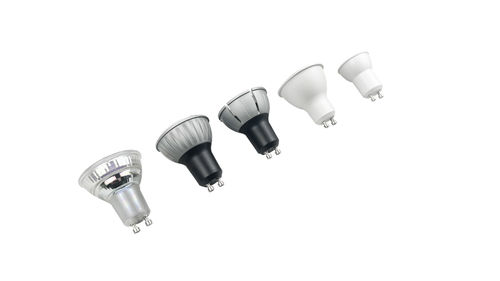
Introduction: Unlocking the Potential of GU10 LED Bulbs
In the vast world of lighting, GU10 LED bulbs have emerged as a true powerhouse, illuminating countless homes, offices, and commercial spaces with their efficiency and versatility. These distinct bulbs, easily recognized by their twin-pin, twist-and-lock base, are a global standard, operating directly on mains voltage (typically 220–240V in many regions, and 110–120V elsewhere). This direct-to-mains operation simplifies installation, eliminating the need for bulky transformers and making them a popular choice for recessed spotlights, track lighting, and display fixtures.
Understanding the nuances of GU10 LED bulb types — from how their light is created to the various shades of white they can produce, their dimming capabilities, and their long-term energy savings — is key to making the best choice for your specific lighting needs. This comprehensive guide will illuminate every aspect, helping you transform any space with the perfect light.
Decoding the GU10: What It Is and Why It’s Superior
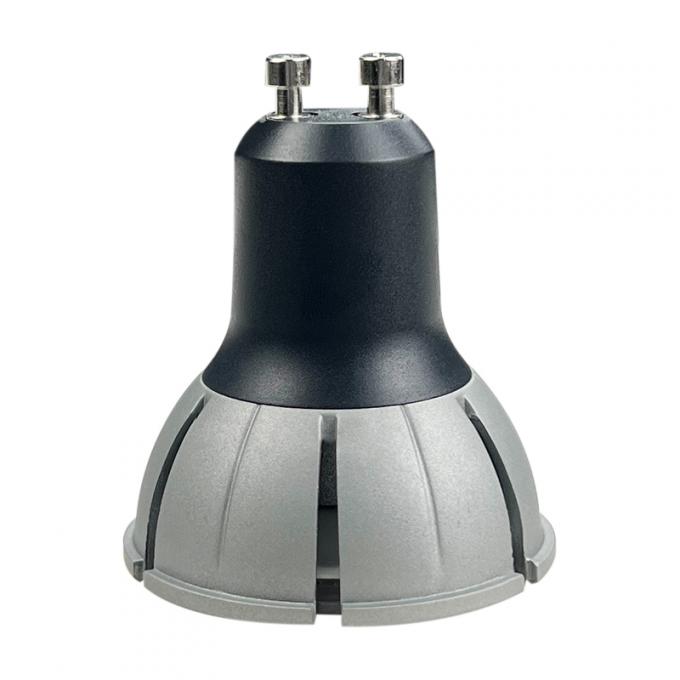
The term “GU10” isn’t just a random code; it’s a precise identifier for the lamp’s base design. The “G” signifies a “bi-pin” connection, the “U” indicates the U-shape of the ceramic or plastic base, and “10” refers to the 10-millimeter distance between the centers of the two pins. These pins feature a small “foot” that twists into place, securely locking the bulb into its compatible lampholder.
But beyond their unique base, GU10 LEDs offer a wealth of advantages that make them a superior alternative to their outdated halogen predecessors:
- Exceptional Lifespan: While traditional halogen GU10s might flicker out after a mere 2,000 hours, LED equivalents boast an impressive lifespan, typically ranging from 15,000 to 50,000 hours. This translates to years, even decades, of maintenance-free illumination, drastically reducing replacement frequency and associated costs.
-
Unrivaled Energy Efficiency: This is where LEDs truly shine. A typical GU10 LED consumes a mere 4 to 8 watts (W) of power to produce the same light output as a 35-50W halogen bulb. This staggering reduction in power consumption leads to significant savings on your electricity bill, often paying for themselves within a year or two.
-
Minimal Heat Emission: Unlike halogens, which convert a substantial portion of their energy into heat (making them hot to the touch and contributing to room temperature), LEDs emit very little heat. This not only makes them safer to handle but also reduces the load on air conditioning systems, further saving energy, especially in commercial environments.
-
Versatile Beam Angle Options: From focused spotlights to wide floodlights, GU10 LEDs come in a wide array of beam angles, allowing you to tailor your lighting precisely to the application.
-
Flexible Dimming Capabilities: Many GU10 LED bulbs are designed to be dimmable, providing you with the power to adjust light intensity and create different moods or conserve even more energy.
-
Eco-Friendly Choice: With their long lifespan and lower energy consumption, GU10 LEDs reduce your carbon footprint and contribute to a more sustainable environment. They also contain no mercury, unlike some older CFL bulbs.
Illuminating Technologies: COB vs. SMD GU10 LEDs
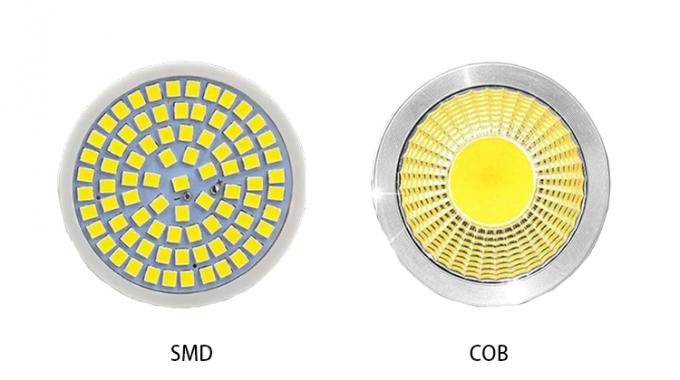
Beneath the lens of a GU10 LED bulb, you’ll find different configurations of LED chips, each designed for specific lighting effects. The two most common technologies are Chip-on-Board (COB) and Surface-Mounted Device (SMD). Understanding their differences will help you select the ideal bulb for your intended application.
- COB (Chip-on-Board) GU10 LEDs:
Construction: COB technology involves mounting multiple small LED chips directly onto a single substrate, creating a compact, powerful light source.
- Light Output: These bulbs typically produce a highly focused, intense beam with a very bright central spot. Think of it as a concentrated point of light.
-
Best For: Accent lighting and task lighting. They are excellent for highlighting specific objects like artwork, retail displays, architectural features, or for providing focused illumination over a workspace. Their crisp, defined beam makes details pop.
-
SMD (Surface-Mounted Device) GU10 LEDs:
Construction: SMD bulbs feature several individual, smaller LED chips mounted separately on a circuit board, often arranged in a ring or cluster.
- Light Output: These bulbs are designed to provide a wider, more diffused light spread. The light is generally more even and less concentrated than a COB bulb.
-
Best For: General illumination and ambient lighting. They are ideal for lighting larger areas evenly, such as living rooms, kitchens, hallways, or offices, where you need widespread, uniform light.
The Art of Ambiance: Mastering Color Temperature
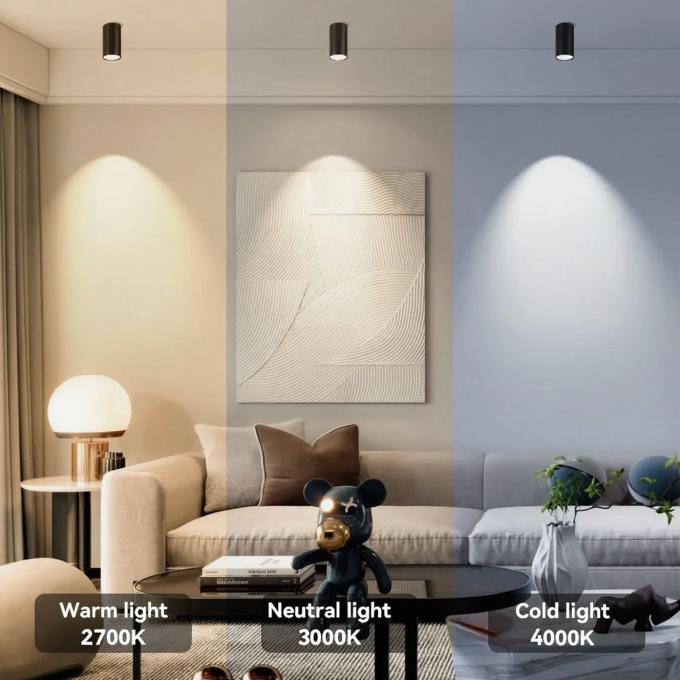
The color temperature of a light bulb, measured in Kelvin (K), profoundly influences the mood and perception of a space. It describes the “warmth” or “coolness” of the light, ranging from a cozy orange glow to a crisp, icy blue.
- Warm White (2700K – 3000K):
Appearance: Mimics the soft, inviting glow of traditional incandescent bulbs or candlelight. It has a distinct yellowish hue.
- Feel: Creates a cozy, relaxed, and intimate atmosphere. It’s perfect for unwinding and encourages comfort.
-
Applications: Ideal for living rooms, bedrooms, dining areas, restaurants, and hospitality settings where comfort and relaxation are priorities.
-
Neutral White (3500K – 4000K):
Appearance: A balanced white light, neither too yellow nor too blue. It’s often described as a crisp, clean white.
- Feel: Promotes alertness and clarity without being overly stimulating. It’s good for focused tasks.
-
Applications: Excellent for kitchens, bathrooms, offices, retail spaces, and hallways where clear visibility and a natural appearance are important.
-
Cool White / Daylight (5000K – 6500K):
Appearance: A bright, bluish-white light that closely resembles natural daylight on a clear, sunny day.
- Feel: Energizing and stimulating, enhancing concentration and visual acuity.
-
Applications: Best suited for workshops, garages, basements, utility rooms, hospitals, retail showrooms, and any area requiring high visibility and attention to detail.
Shaping Light: Understanding Beam Angles
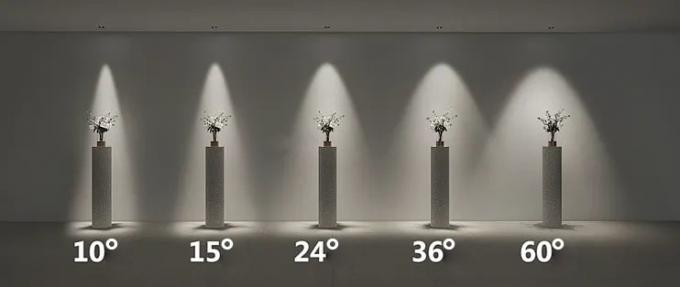
The beam angle of a GU10 LED bulb dictates how spread out or concentrated the light output will be. This choice is critical for achieving your desired lighting effect, whether you’re highlighting a feature or illuminating an entire room.
- Narrow Beam Angles (15° – 30°):
Effect: Produces a tightly focused, intense beam of light.
Effect: Offers a good balance between focus and spread, creating a more general spotlight effect.
- Use Cases: Ideal for general spotlighting in areas where you want to highlight zones or provide more directed light than a flood, but not as intensely as a narrow beam. Often used in residential downlights.
-
Wide Beam Angles (60°+):
Effect: Emits a broad, diffused wash of light, covering a larger area more uniformly.
- Use Cases: Best for floodlighting or general ambient lighting in larger rooms, hallways, open-plan offices, or where you need widespread, even illumination without harsh shadows.
The Power of Control: Dimmable vs. Non-Dimmable GU10s
The ability to control light intensity adds immense flexibility to any lighting scheme.
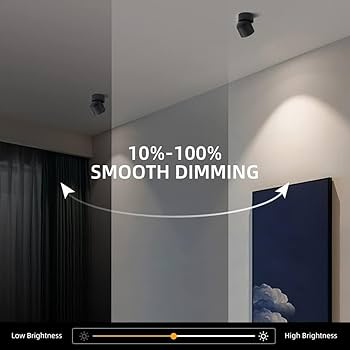
Functionality: These bulbs are designed to work with compatible dimmer switches, allowing you to seamlessly adjust their brightness from full intensity down to a soft glow.
- Benefits: Offers unparalleled flexibility for mood setting, adapting lighting for different activities, and can even lead to additional energy savings as less power is consumed when dimmed.
-
Compatibility is Key: Crucially, not all dimmers work with all LED bulbs. Traditional dimmers designed for incandescent or halogen bulbs can cause flickering or buzzing. Always check the bulb manufacturer’s specifications for recommended dimmer types to ensure smooth, flicker-free dimming.
-
Non-Dimmable GU10 LEDs:
Functionality: These bulbs operate at a fixed brightness level and cannot be dimmed.
Built for the Elements: Indoor vs. Outdoor GU10 LEDs
Where your GU10 LED bulb will be installed dictates its necessary protection level against environmental factors. This is typically indicated by an IP (Ingress Protection) rating.
Protection: These bulbs are designed for dry, indoor environments. They offer basic protection against dust but no specific resistance to water.
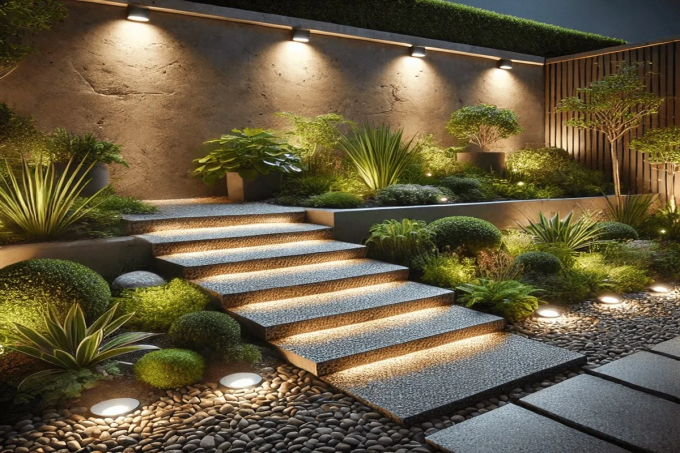
Protection: These bulbs feature enhanced sealing and construction to withstand moisture and dust. IP65 is “dust tight” and protected against water jets, while IP67 offers protection against temporary submersion.
- Applications: Essential for garden lighting, pathway lights, outdoor security lighting, and bathroom zones. Always ensure the fixture itself also has the appropriate IP rating.
Beyond the Basics: Advanced Considerations for GU10 LEDs
For those seeking optimal lighting performance, especially in professional or specialized settings, a few more metrics come into play:
- Colour Rendering Index (CRI):
What it is: CRI measures how accurately a light source renders the true colors of objects compared to natural daylight, on a scale of 0 to 100.
What it is: Lumens (lm) are the true measure of a bulb’s brightness.
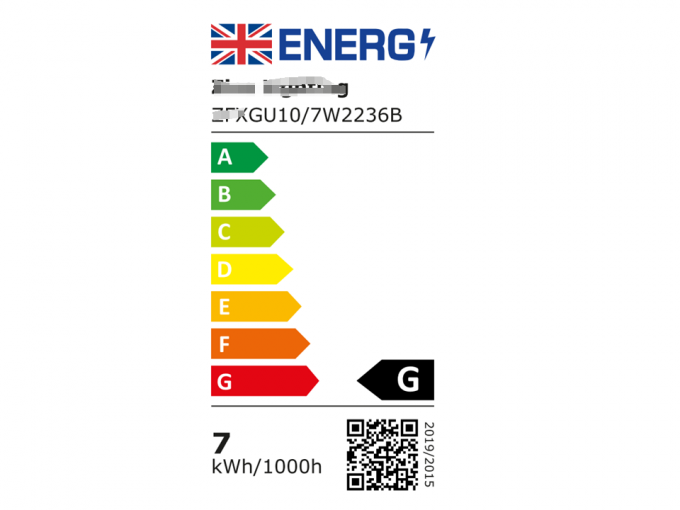
EU Energy Label: The latest EU energy label scale (A–G) sets stricter standards for energy efficiency.
- What to Look For: Aim for A or B class LEDs for maximum efficiency and minimal heat output.
Real-World Impact: GU10 LED Use Cases
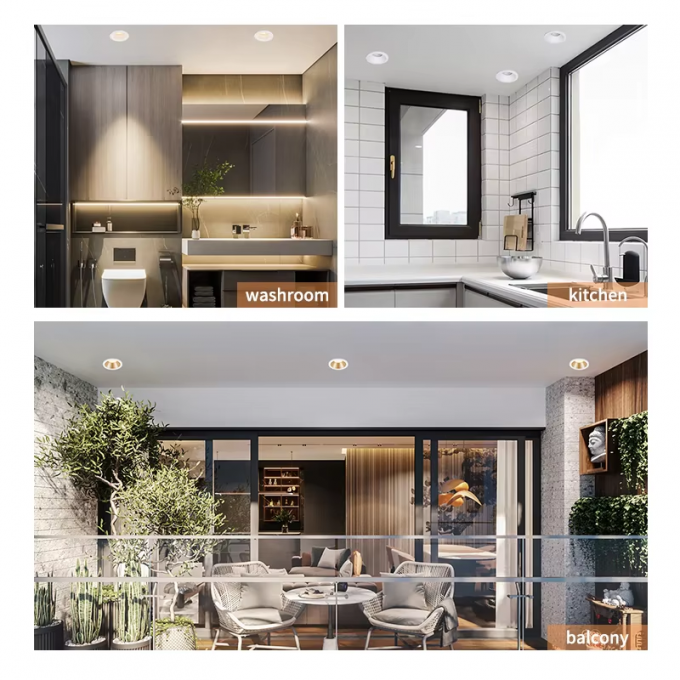
GU10 LEDs are incredibly adaptable, making them suitable for a vast array of applications:
- Retail Store: 3000K (warm white) COB GU10, 25° beam angle — to precisely highlight merchandise and create a welcoming atmosphere.
-
Hotel Lobby: 4000K (neutral white) SMD GU10, 60° wide beam angle — provides clear, even, general illumination across the space.
-
Garden Pathway: IP65-rated cool white (5000K) GU10 — improves visibility and safety while withstanding the elements.
Conclusion: Empowering Your Lighting Choices
Selecting the right GU10 LED bulb goes far beyond merely choosing a bright light. It’s about crafting an environment, enhancing functionality, and achieving significant long-term savings. By thoroughly understanding the differences in beam angle, color temperature, dimming capabilities, and essential efficiency ratings, you are empowered to make informed, intelligent choices.


 Your message must be between 20-3,000 characters!