.gtr-container-led789 {
font-family: Verdana, Helvetica, “Times New Roman”, Arial, sans-serif;
color: #333;
line-height: 1.6;
padding: 15px;
max-width: 100%;
box-sizing: border-box;
}
.gtr-container-led789 * {
  box-sizing: border-box;
}

.gtr-container-led789 p {
  margin-bottom: 1em;
  text-align: left !important;
  font-size: 14px;
}

.gtr-container-led789 strong {
  font-weight: bold;
}

.gtr-container-led789__main-title {
  font-size: 18px;
  font-weight: bold;
  margin-bottom: 1.5em;
  color: #0056b3;
  text-align: left;
}

.gtr-container-led789__section-title {
  font-size: 18px;
  font-weight: bold;
  margin-top: 2em;
  margin-bottom: 1em;
  color: #0056b3;
  text-align: left;
}

.gtr-container-led789__sub-section-title {
  font-size: 16px;
  font-weight: bold;
  margin-top: 1.5em;
  margin-bottom: 0.8em;
  color: #0056b3;
  text-align: left;
}

.gtr-container-led789__separator {
  border-top: 1px solid #ddd;
  margin: 2em 0;
}

.gtr-container-led789 ul,
.gtr-container-led789 ol {
  list-style: none !important;
  margin: 1em 0;
  padding: 0;
}

.gtr-container-led789 ul li {
position: relative;
  padding-left: 20px;
  margin-bottom: 0.5em;
  font-size: 14px;
  text-align: left !important;
list-style: none !important;
}
.gtr-container-led789 ul li::before {
content: "â¢" !important;
position: absolute !important;
left: 0 !important;
color: #007bff;
font-size: 1.2em;
line-height: 1;
top: 0;
}
.gtr-container-led789 ol {
counter-reset: list-item;
}
.gtr-container-led789 ol li {
position: relative;
padding-left: 25px;
margin-bottom: 0.5em;
font-size: 14px;
text-align: left !important;
list-style: none !important;
}
.gtr-container-led789 ol li::before {
  content: counter(list-item) "." !important;
  position: absolute !important;
  left: 0 !important;
  width: 20px;
  text-align: right;
  color: #333;
  font-weight: bold;
  top: 0;
}

.gtr-container-led789 .gtr-table-wrapper {
  overflow-x: auto;
  margin: 1.5em 0;
}

.gtr-container-led789 table {
  width: 100%;
  border-collapse: collapse !important;
  border-spacing: 0 !important;
  margin: 0 !important;
  font-size: 14px;
  border: 1px solid #ccc !important;
}

.gtr-container-led789 th,
.gtr-container-led789 td {
  padding: 8px 12px !important;
  text-align: left !important;
  vertical-align: top !important;
  border: 1px solid #ccc !important;
  word-break: normal !important;
  overflow-wrap: normal !important;
}

.gtr-container-led789 th {
  font-weight: bold !important;
  background-color: #f0f0f0;
  color: #333;
}

.gtr-container-led789 tbody tr:nth-child(even) {
  background-color: #f9f9f9;
}

.gtr-container-led789 img {
  margin: 1.5em 0;
}

@media (min-width: 768px) {
  .gtr-container-led789 {
    padding: 30px;
    max-width: 960px;
    margin: 0 auto;
  }
}
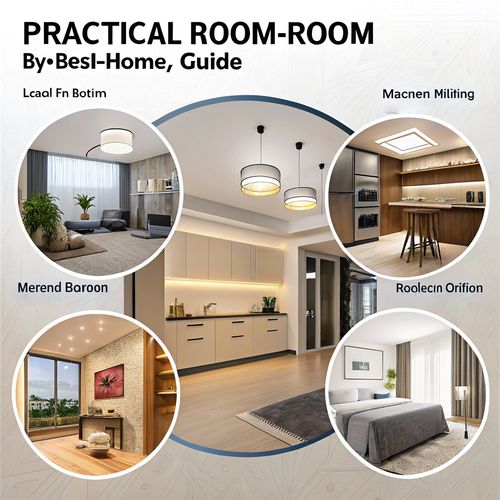
Best LED Lighting Solutions for Modern Homes: A Practical Room-by-Room Guide
Most homes today suffer from the same lighting problems—dark corners, inconsistent color, harsh shadows, and high electricity bills. Good interior design can’t compensate for bad lighting. And as more homeowners demand comfort, energy savings, and modern aesthetics, LED lighting has become the clear standard for 2025 and beyond.
The best LED solutions combine layered lighting, high CRI color quality, the right color temperature (Kelvin) for each room, precise beam angles, and smart or dimmable controls. When deployed properly, they make a home feel more spacious, more relaxing, and more premium—without changing furniture or layout.
Whether you’re a homeowner upgrading room by room, or a retailer/installer looking to standardize your inventory, this guide distills the essentials into clear steps and real-world recommendations.
Why Modern Homes Choose LED Lighting
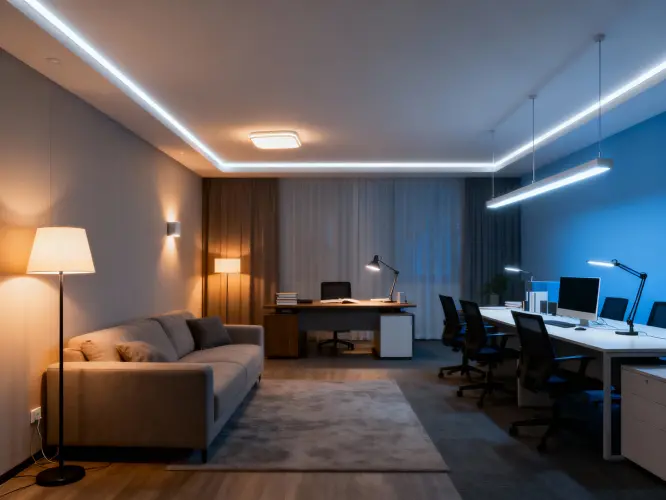
LEDs today aren’t just “brighter and cheaper to run.” The real benefit is control—of atmosphere, colors, comfort, and energy.
- Real Energy Savings
LED bulbs produce far more light per watt than incandescent or halogen lamps.
- Typical LED efficacy: 80–120 lm/W
-
Halogen: 15–25 lm/W
According to the U.S. Department of Energy[^1], switching to LEDs can reduce lighting electricity use by 75–90%.
- Better Visual Comfort
High-quality LEDs avoid common issues:
- flicker
-
color shift
-
heat buildup
-
harsh brightness
Look for these specs:
- Long Life, Fewer Replacements
LEDs typically last 15,000–50,000 hours depending on model and thermal design. Good heat management is key—avoid cheap lamps in airtight fixtures.
- Smart Control Options
LEDs pair naturally with:
This is especially attractive for homes and for retailers installing standardized systems.
| Benefit |
What Homeowners Experience |
What Retailers/Installers Gain |
| Efficiency |
Lower electricity bills |
Easier upsell, lower return rate |
| Color Quality |
More premium feel |
Reduced complaints |
| Long Life |
Fewer replacements |
Lower maintenance cost |
| Control |
Mood lighting + automation |
Stronger project value |
Types of LED Bulbs & Where They Work Best
Choosing LEDs isn’t just “A19 vs GU10.” The bulb shape determines the spread of light, shadows, atmosphere—and whether a room feels flat or luxurious.
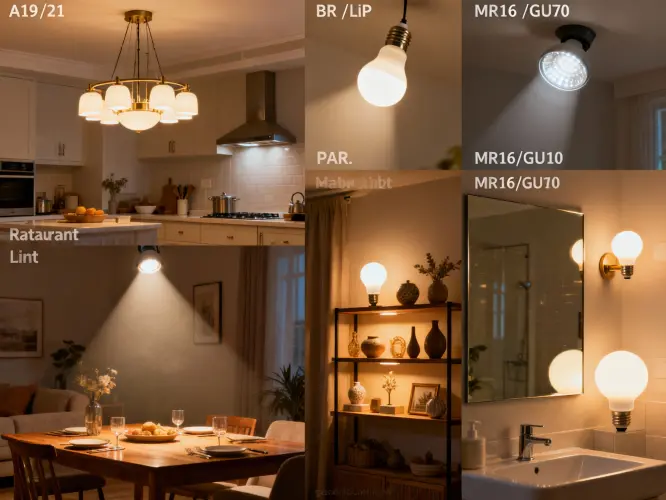
A19 / A21 – General Lamps (Bedrooms, Living Rooms)
- Wide 230° beam for soft ambient light
-
Ideal for floor lamps, bedside lamps, table lamps
-
Warm-dim versions recreate halogen mood (down to 2200K)
Best for: cozy areas, reading nooks, bedrooms
BR30 / BR40 – Recessed Downlights (Living Rooms, Hallways)
Best for: living rooms, corridors, TV rooms
PAR20 / PAR30 / PAR38 – Focused Lighting (Kitchens, Artwork, High Ceilings)
Best for: kitchens, dining areas, accent lighting
MR16 / GU10 – Precision Spotlights (Accent, Retail-Like Displays)
Best for: display shelves, artwork, kitchen task zones
G25 Globes – Bathroom & Vanity Lighting
Best for: bathrooms, dressing areas
How to Choose the Right Color Temperature (Kelvin)
Color temperature shapes mood. Too warm feels sleepy; too cool feels sterile. The trick is choosing by activity, not by “room label.”
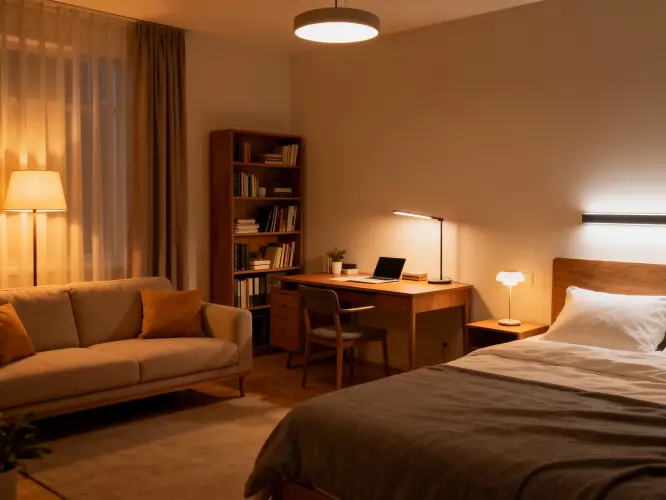
Kelvin Guide
- 2200–2700K – warm, cozy, intimate
-
3000–3500K – clean, balanced, natural
-
4000–5000K – bright, crisp, task-oriented
Room-by-Room Recommendations
| Room |
Ideal CCT |
Why It Works |
Recommended Bulb |
| Living Room |
2700–3000K |
Relaxing, warm |
BR30 + A19 |
| Kitchen |
3500–4000K |
Bright for prep |
PAR30/PAR20 |
| Dining Room |
2700K |
Cozy mood |
Warm-dim pendants |
| Bedroom |
2700K + 2200K dimming |
Evening relaxation |
A19 warm-dim |
| Bathroom |
3000–3500K |
Skin tone accuracy |
G25 + ceiling flush |
| Home Office |
3500–4000K |
Focus & clarity |
PAR20 task lights |
Don’t Mix Extremes
Avoid using 2700K and 5000K in the same sightline. This looks visually chaotic.
Consider Warm-Dim or Smart Lighting
Warm-dim bulbs automatically shift from 3000K → 2200K when dimmed, mimicking candlelight—great for evening comfort.
Room-by-Room LED Lighting Design Blueprint
This section delivers the “install-ready” guidance your readers want—especially valuable for retailers, installers, and renovation contractors.
Living Room
Goal: Cozy + flexible
Recommended Setup:
Pro Tip:
Use CRI > 90 to reveal natural wood and fabric texture.
Kitchen
Goal: Bright, safe, shadow-free
Recommended Setup:
Beam Angles:
- Counters: 25–40°
-
Ambient: 100–120°
Bedroom
Goal: Calm, restful, low glare
Recommended Setup:
Best CCT: 2700K → 2200K at night
Bathroom
Goal: Clear visibility without harshness
Home Office
Goal: Focus + reduced eye strain
Recommended Setup:
Buying Guide: How to Choose the Best LED for Any Home
This is where 90% ç读è
ä¼åè´ä¹°å³ç,æ以é常éè¦.
Checklist
- â Choose CRI 90+
-
â Decide the right Kelvin per room
-
â Match beam angle to ceiling height
-
â Confirm dimmability + compatibility
-
â Prefer brands with thermal-certified designs
-
â For installers: standardize SKUs by room type
Minimum Technical Specs to Look For
| Spec |
Good Value |
| CRI |
≥ 90 |
| Power Factor |
≥ 0.9 |
| Flicker |
< 10% |
| Beam Angle |
Based on room use |
| Warranty |
2–5 years |
Tecolite LED Recommendations (Light Brand Integration)
Tecolite’s high-CRI home lighting line is designed specifically for living, dining, kitchen, and residential projects.
Include models such as:
- Tecolite BR30 Series — soft ambient, low glare
-
Tecolite PAR20/PAR30 — crisp task lighting
-
Tecolite GU10 / MR16 — precision accent beams
-
Tecolite A19 Warm-Dim — ideal for bedrooms and living rooms
For retailers and installers, Tecolite’s tight binning (≤ 3 MacAdam steps) ensures color consistency across large projects.
Common Mistakes to Avoid
- â Mixing too many CCT values in the same area
-
â Using narrow beams for general lighting
-
â Buying low-CRI LEDs (skin looks gray)
-
â Installing non-dimmable LEDs on dimmer circuits
-
â Ignoring thermal ratings (“not safe for enclosed fixtures”)
Conclusion
LED lighting isn’t simply about efficiency—it’s about creating spaces that look better, feel better, and function better. With the right combination of beam angle, color temperature, CRI, and layered lighting, any modern home can feel more premium and more comfortable.
Retailers, wholesalers, and installers who standardize on high-quality LED SKUs will reduce returns, improve client satisfaction, and streamline procurement. With reliable product lines like the Tecolite BR, PAR, GU10, and A19 series, it’s easy to build consistent lighting solutions room by room.


 Your message must be between 20-3,000 characters!