Are There LED Bulbs That Don’t Flicker? A Deep Dive into Flicker-Free LED Lighting
The shift to LED lighting has been one of the most significant advances in modern illumination, driven by energy efficiency, long lifespan, and environmental benefits. Yet, a persistent complaint among users is the issue of the LED flicker phenomenon that can cause discomfort, health issues, and even impact productivity. This comprehensive guide explores whether truly flicker-free LED bulbs exist, what causes flicker, how to identify and prevent it, and what the future holds for LED lighting.
Understanding LED Flicker: What Is It and Why Does It Matter?
LED flicker refers to rapid fluctuations in light output, which can be either visible (perceptible to the naked eye) or invisible (imperceptible but still physiologically impactful). Unlike traditional incandescent bulbs, which have a natural persistence due to their filament, LEDs operate by rapidly switching on and off in response to electrical current. Any instability in the power supply, driver circuitry, or dimming system can cause these fluctuations, leading to flicker.
Why Is Flicker a Problem?
- Health and Comfort: Flicker can cause eye strain, headaches, migraines, and in sensitive individuals, more severe symptoms such as nausea, spatial disorientation, and sleep disturbances.
-
Productivity: Flicker can reduce concentration and productivity, especially in environments where visual tasks are critical.
-
Special Populations: People with neurological sensitivities (such as those with migraines, epilepsy, or recovering from concussion) are particularly vulnerable to flicker-induced symptoms.
-
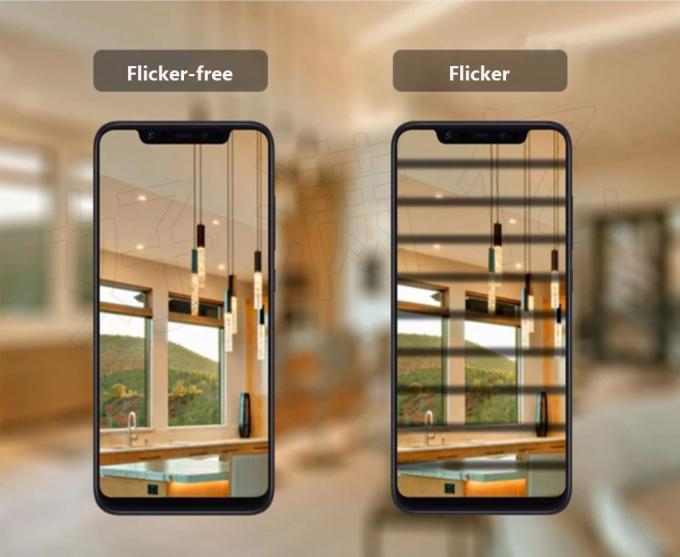
Visual Quality: Flicker can affect the quality of photography and videography, causing banding and artifacts in images and recordings.
What Causes LED Flicker?
LED flicker is a multifactorial issue, often resulting from a combination of design, installation, and environmental factors:
- Power Supply Irregularities: Fluctuations in voltage or frequency, especially if the frequency drops below 50Hz, can cause visible flicker.
-
Driver Quality: The LED driver regulates power to the LED. Poor-quality drivers or failing components are a leading cause of flicker.
-
Incompatible Dimmers: Many legacy dimmer switches are not designed for LEDs, leading to inconsistent current and flicker.
-
Wiring Issues: Loose or incorrect wiring can disrupt the steady flow of electricity, causing flicker.
-
Circuit Overloading: Connecting too many LEDs to a single circuit can overload it, resulting in unstable power delivery and flicker.
-
External Interference: Electromagnetic interference (EMI) or radio frequency (RF) interference from other electronics can disrupt LED operation.
-
Inferior LED Bulbs: Low-quality bulbs often use cheaper components and lack proper circuitry, making them more prone to flicker.
Health Impacts: More Than Just Annoyance
Flicker is not just a visual nuisance. Research and surveys indicate that LED flicker can trigger a range of symptoms, especially in sensitive individuals. These include headaches, eye pain, dry eyes, difficulty concentrating, memory issues, sleep disturbances, anxiety, and even symptoms resembling concussion or migraine. While not everyone is equally affected, the overlap with symptoms of other neurological conditions suggests that flicker may trigger or exacerbate underlying nervous system pathways and neuroinflammatory responses.
Are Flicker-Free LED Bulbs Available?
Yes, flicker-free LED bulbs do exist, and technology is rapidly improving in this area. Leading manufacturers now offer bulbs specifically designed to minimize or eliminate flicker, often labeled as “flicker-free” or “low-flicker.” Some of the best-performing options have flicker rates below 2%, which is even lower than most incandescent bulbs.
Top Flicker-Free LED Bulb Options
| Brand/Model |
Flicker Rate |
Features |
| Bedtime Bulb |
|
Very warm, high CRI, ideal for bedrooms |
| SYLVANIA TruWave Natural Series A21 |
1.2% |
High CRI, flicker-free on any dimmer |
| Waveform SUPERWARM Flicker-Free LED Bulb |
|
Non-dimmable, very warm color temperature |
| Waveform CENTRIC HOME Flicker-Free LED Bulb |
|
High color accuracy, home lighting |
| Philips LED Flicker-Free Dimmable A19 (EyeComfort) |
2.5% |
Dimmable, daylight and soft white options |
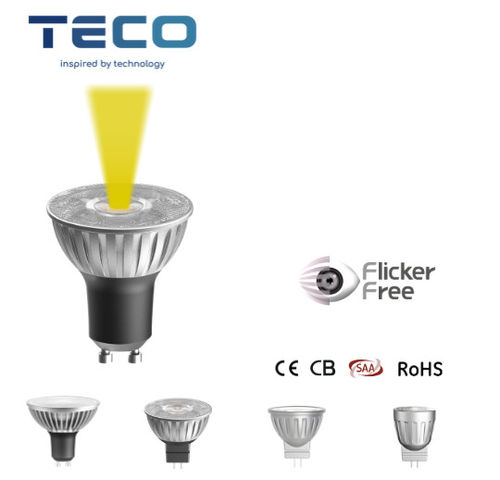
| Teco Flicker-Free Bulb |
|
Dimmable, home lighting, Ra98 |
These bulbs have been independently measured with specialized meters to ensure low flicker levels.
How Is Flicker Prevented in Modern LED?
Recent innovations in LED drivers and dimming technology have made flicker-free lighting more accessible:
- Advanced Driver Circuits: Modern drivers use capacitors and feedback mechanisms to maintain a constant current, smoothing out any power supply fluctuations.
-
PWM (Pulse Width Modulation) Improvements: New dimming techniques, such as dual-control PWM, allow for smooth dimming without strobing, even at low brightness levels.
-
Low-Pass Filtering: Adding resistor-capacitor modules filters out current ripples, preventing flicker at low light levels.
-
Smart Dimming Controls: Professional dimming solutions now blend color and intensity adjustments without introducing flicker, enhancing visual comfort in both residential and commercial settings.
How to Identify Flicker-Free LED Bulbs
Not all flicker is visible. Here’s how you can test for flicker:
- Smartphone Camera Test: Point your phone’s camera at the bulb. If you see rolling bands or strobing, the bulb is flickering.
-
Slow-Motion Video: Record the bulb in slow motion; flicker will appear as dark bands moving across the screen.
-
Flicker Meters: Devices like the Radex Lupin can quantify flicker percentage and frequency.
-
Manufacturer’s Claims: Look for “flicker-free” or “low-flicker” labeling, but always verify with independent reviews or measurements.
Practical Tips for Achieving Flicker-Free Lighting
-
Buy Quality: Choose bulbs from reputable brands with proven flicker-free performance.
-
Check Compatibility: Use LED-compatible dimmer switches and avoid mixing old and new dimmers in the same circuit.
-
Avoid Overloading Circuits: Don’t connect too many LEDs to one circuit; consult an electrician if in doubt.
-
Address Wiring Issues: Ensure all wiring is secure and up to code.
-
Reduce External Interference: Keep sensitive LED circuits away from sources of EMI or RF interference.
-
Upgrade Drivers: For commercial or high-end residential applications, consider upgrading to professional-grade LED drivers and dimming systems.
The Future of Flicker-Free LED Lighting
The LED industry is rapidly evolving, with a strong focus on improving light quality and user comfort. Key trends shaping the future include:
- Smart Lighting Controls: Integration with IoT and network lighting controls allows for precise, adaptive, and flicker-free illumination tailored to user needs.
-
Regulatory Standards: As awareness of flicker’s health impacts grows, expect stricter standards and certifications for flicker-free lighting.
-
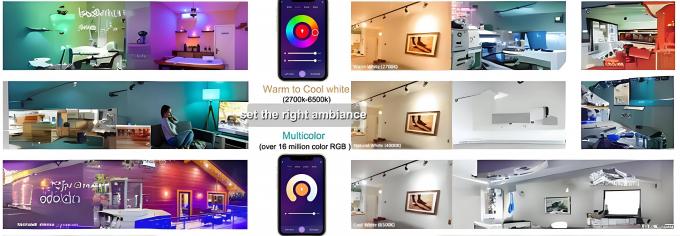
Customization: LEDs now offer tunable white and RGB options, with advanced controls to maintain flicker-free performance across all settings.
-
Sustainability: Flicker-free LEDs contribute to sustainable lighting by reducing waste (longer lifespan) and improving user well-being, which supports broader adoption.
Frequently Asked Questions
Q: Are all “flicker-free” bulbs truly flicker-free?
A: Not always. “Flicker-free” is not a regulated term in all markets, so independent testing or trusted reviews are essential.
Q: Is invisible flicker a problem?
A: Yes. Even if you can’t see the flicker, your brain and eyes can still be affected, especially after prolonged exposure.
Q: Can I retrofit my existing fixtures for flicker-free lighting?
A: In most cases, by upgrading to quality bulbs and compatible dimmers or drivers.
Conclusion
Flicker-free LED bulbs are not only available but are becoming the standard for those seeking healthy, comfortable, and reliable lighting. By understanding the causes of flicker, choosing the right products, and implementing best practices in installation and control, you can create an environment that maximizes both visual comfort and well-being. As technology continues to advance, expect even more options for flicker-free, smart, and sustainable LED lighting in the years ahead.
For the best results, always invest in high-quality, independently tested, flicker-free LED bulbs and pair them with compatible dimmers and drivers. Your eyes- and your overall health- will thank you.


 Your message must be between 20-3,000 characters!