Huizhou Henhui Electronics Technology Co., Ltd.

Categoría: 未分类

  • What Is the Future of GU10 LED Bulbs — Smart Homes, Sustainability & Regulations?

    What Is the Future of GU10 LED Bulbs — Smart Homes, Sustainability & Regulations?

    .gtr-container-x7y2z9 {
    font-family: Verdana, Helvetica, “Times New Roman”, Arial, sans-serif;
    color: #333;
    line-height: 1.6;
    max-width: 960px;
    margin: 0 auto;
    padding: 20px;
    box-sizing: border-box;
    }

    .gtr-container-x7y2z9 p {
    font-size: 14px;
    margin-bottom: 1em;
    text-align: left !important;
    }

    .gtr-container-x7y2z9 strong {
    font-weight: bold;
    }

    .gtr-container-x7y2z9 .gtr-heading-2 {
    font-size: 18px;
    font-weight: bold;
    margin-top: 2em;
    margin-bottom: 1em;
    color: #0056b3;
    text-align: left;
    }

    .gtr-container-x7y2z9 .gtr-heading-3 {
    font-size: 16px;
    font-weight: bold;
    margin-top: 1.5em;
    margin-bottom: 0.8em;
    color: #007bff;
    text-align: left;
    }

    .gtr-container-x7y2z9 .gtr-heading-4 {
    font-size: 14px;
    font-weight: bold;
    margin-top: 1.2em;
    margin-bottom: 0.6em;
    color: #555;
    text-align: left;
    }

    .gtr-container-x7y2z9 hr {
    border: none;
    border-top: 1px solid #eee;
    margin: 2em 0;
    }

    .gtr-container-x7y2z9 img {
    max-width: 100%;
    height: auto;
    display: block;
    margin: 1em auto;
    }

    .gtr-container-x7y2z9 ul,
    .gtr-container-x7y2z9 ol {
    list-style: none !important;
    margin: 0 !important;
    padding: 0 !important;
    margin-bottom: 1em !important;
    }

    .gtr-container-x7y2z9 ul li,
    .gtr-container-x7y2z9 ol li {
    position: relative;
    padding-left: 25px;
    margin-bottom: 0.5em;
    font-size: 14px;
    text-align: left;
    }

    .gtr-container-x7y2z9 ul li::before {
    content: “”;
    position: absolute;
    left: 0;
    top: 0.5em;
    width: 6px;
    height: 6px;
    background-color: #007bff;
    border-radius: 50%;
    }

    .gtr-container-x7y2z9 ol li::before {
    content: counter(list-item) “.”;
    counter-increment: none;
    position: absolute;
    left: 0;
    top: 0;
    font-weight: bold;
    color: #007bff;
    width: 20px;
    text-align: right;
    }

    .gtr-container-x7y2z9 .gtr-table-wrapper {
    width: 100%;
    overflow-x: auto;
    margin: 1.5em 0;
    }

    .gtr-container-x7y2z9 table {
    width: 100%;
    border-collapse: collapse !important;
    border-spacing: 0 !important;
    margin: 0 !important;
    font-size: 14px;
    border: 1px solid #ccc !important;
    }

    .gtr-container-x7y2z9 th,
    .gtr-container-x7y2z9 td {
    padding: 10px 12px !important;
    text-align: left !important;
    vertical-align: top !important;
    border: 1px solid #ccc !important;
    word-break: normal;
    overflow-wrap: normal;
    }

    .gtr-container-x7y2z9 th {
    background-color: #f0f0f0;
    font-weight: bold;
    color: #333;
    }

    .gtr-container-x7y2z9 tbody tr:nth-child(even) {
    background-color: #f9f9f9;
    }

    @media (min-width: 768px) {
    .gtr-container-x7y2z9 {
    padding: 30px;
    }
    }

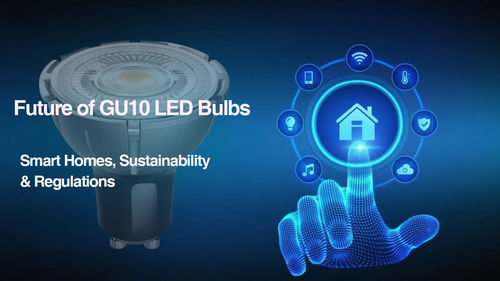
    GU10 LED bulbs will grow deeper into smart homes, face tighter efficiency rules, and open clear B2B opportunities for importers and contractors. ([MarketsandMarkets][1], [eur-lex.europa.eu][2])

    I will walk you from simple use cases to regulations, market numbers, early-adopter examples, and practical selling tips. Read on for a clear B2B roadmap.

    How are GU10 LED bulbs expanding their role in smart homes?

    I see two fast trends. First, GU10 moves from simple light to smart spot. Second, buyers want reliable systems that scale.

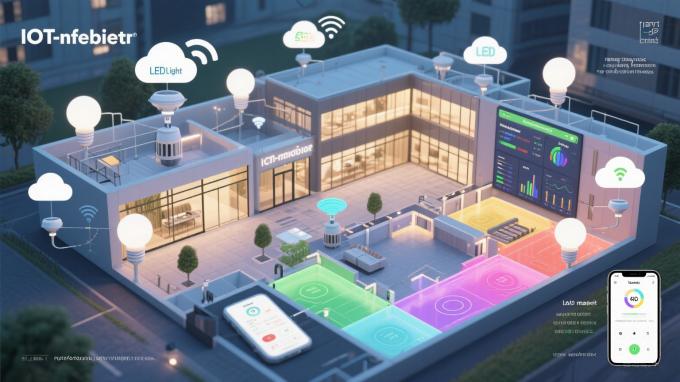
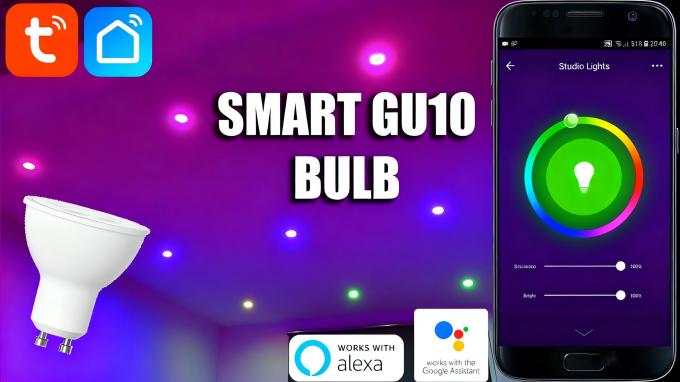
    Smart GU10s link to hubs and scenes. They give spot control, dimming, color, and automation for projects.
    What Is the Future of GU10 LED Bulbs — Smart Homes, Sustainability & Regulations?  0

    Dive deeper

    I have worked with wholesale buyers who choose GU10 smart spots to win retrofit projects. GU10 fits common spotlight fixtures. That makes it easy for engineers to swap in smart instead of rewiring.

    I will break down the technical side and the buyer benefits.

    How GU10 smart bulbs connect

    • I see four main protocols: Zigbee, Wi-Fi, Bluetooth, and Thread. Each has a trade-off.

    • Zigbee and Thread are strong for mesh and multiple spots.

    • Wi-Fi is simple but can overload home routers.

    • Bluetooth is cheap and good for small installs.

    Connectivity quick table

    Protocol Where it shines Where it fails
    Zigbee Mesh, many bulbs, stable Needs gateway
    Thread Future-proof, Matter-friendly Newer, hub needed
    Wi-Fi No hub, easy pairing Router load, range
    Bluetooth Cheap, direct control Limited range, few bulbs

    I advise buyers to ask suppliers for clear protocol specs. Ask for the chipset model. Ask for Matter, Thread, or Zigbee certification when possible. This reduces later interoperability issues.

    Smart GU10s let contractors add motion scenes, dimming curves, and color temperatures to spotlight arrays. That helps hotel, retail, and office clients. I have seen engineers accept a slightly higher unit price when the system saves wiring and commissioning time.

    From a manufacturing view, smart GU10s need extra quality checks. I recommend factory firmware audit, EMI test records, and battery/backup checks for sensors. Many leading smart ecosystems list GU10 smart spot models on their product pages. That proves demand and validates protocol choices. ([Philips Hue][3], [The Verge][4])

    What market outlook and opportunities exist for businesses?

    I track market reports and buyer signals. I watch both global growth and regional demand.

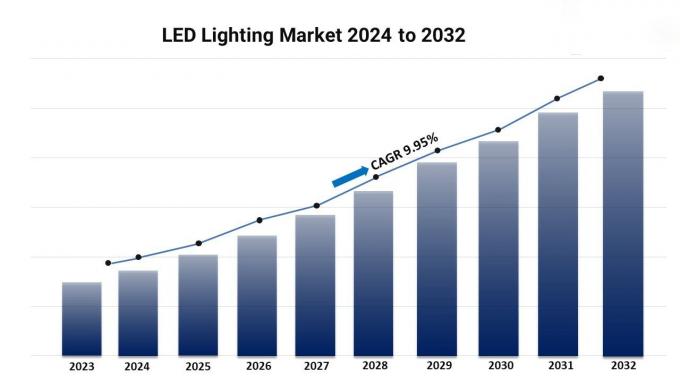
    Smart lighting shows strong CAGR and rising B2B adoption in commercial and hospitality projects. This opens margins for wholesalers and OEM rebranding.
    What Is the Future of GU10 LED Bulbs — Smart Homes, Sustainability & Regulations?  1

    Dive deeper

    I read multiple market forecasts. They point to steady growth in smart lighting. Buyers who move early often lock distribution deals. I will outline where I see real opportunity.

    Key market drivers

    • Falling LED and chip costs. That drops BOM and allows added electronics.

    • Regulation forcing higher efficiency. That pushes old tech out and creates demand for compliant GU10s. ([eur-lex.europa.eu][2])

    • Growing smart home retrofit projects in developed markets. Builders and hotel chains pay for integrated control.

    Where wholesalers can win

    • OEM rebrand: Offer custom logos and packaging. European buyers value certificates and brand alignment.

    • Turnkey smart kits: Sell GU10s with bridges and controllers. Contractors prefer simple packages over loose bulbs.

    • Service contracts: Offer QA checks and batch test reports. This builds trust with large buyers.

    Market snapshot table

    Opportunity What buyers pay for Why it matters
    Rebranding Custom packing & certificates Higher margin
    Integration kits Bridge + 8–12 GU10s Faster installs
    Certification services Test reports, CE, RoHS, EnergyStar Reduce buyer risk

    I also advise segmenting offers by region. Some buyers in Europe demand Ecodesign-compliant products and clear energy labels. Others in the Middle East and the U.S. focus on warranty and supply chain speed. I recommend I/O testing and third-party lab reports to shorten negotiations.

    When I negotiate with a European buyer, they ask for compliance documents first. When I talk to a hospitality chain, they ask for dimming behavior and light quality data. Those differences define product SKUs and lead times.

    Which regulations are driving adoption of GU10 LED bulbs?

    I know rules shape what buyers will accept. I also know suppliers must plan ahead.

    The EU’s Ecodesign rules set mandatory requirements for light sources. The US and major programs have performance specs and procurement rules. Compliance is not optional for export.
    What Is the Future of GU10 LED Bulbs — Smart Homes, Sustainability & Regulations?  2

    Dive deeper

    Regulations affect design, testing, and labeling. I summarize the main points and give practical steps for suppliers and buying teams.

    Major rules and what they mean

    • EU Ecodesign (SLR) — sets energy and performance rules for light sources since 2021. Products must meet minimum efficiency and labelling standards to be sold in the EU. ([eur-lex.europa.eu][2], [Energy Efficient Products][7])

    • ENERGY STAR / US guidance — defines performance and test methods used by many commercial buyers and public procurement processes. Some federal purchases require ENERGY STAR or equivalent. ([ENERGY STAR][6], [The Department of Energy’s Energy.gov][8])

    • Local certification — many importers still ask for CE, RoHS, and sometimes TÜV reports. Buyers use these to reduce inspection delays.

    Practical compliance checklist (for exporters)

    • Hold a full test report (LM-79 / LM-80 where applicable).

    • Keep energy label data and the Ecodesign statement ready.

    • Keep serial batch test logs and lifetime data.

    • Provide firmware change logs for smart products.

    • Be ready for customs or buyer audits.

    Regulations comparison table

    Region Key rule Immediate ask from buyer
    EU Ecodesign / Energy Label MEPS & label data
    US ENERGY STAR / DOE guidance Spec compliance & datasheets
    UK Domestic Ecodesign rules Similar to EU, check local updates

    I tell my customers to budget 4–8 weeks for obtaining and consolidating paperwork when launching a new GU10 SKU. I also recommend an external lab pre-check rather than waiting for a buyer audit. That saves negotiation time and prevents shipment holds.

    Who are early adopters of smart GU10 LEDs?

    I watch big brands and volume players. Their moves signal where the market heads.

    Major smart-light ecosystems and mass-market brands added GU10 smart spot models early. They show how product tiers and protocols play out in real offers.
    What Is the Future of GU10 LED Bulbs — Smart Homes, Sustainability & Regulations?  3

    Dive deeper

    I examine three practical cases: a premium ecosystem, a mass-market brand, and a low-cost option. I include lessons I use when advising buyers.

    Philips Hue (premium ecosystem)

    Philips offers GU10 smart spot models in its Hue lineup. They target high-quality dimming and color features. This helps hotels and premium retailers who want reliable scenes and deep integration. The brand invests in hub features and advanced firmware. ([Philips Hue][3], [The Verge][4])

    IKEA TRÅDFRI (value + compatibility)

    IKEA released GU10 smart options that pair with many hubs. Their approach lowers entry cost and pushes broader adoption. I see contractors use these in budget-conscious retrofits because the bulbs are cheap and interoperable. ([The Ambient][9])

    How I use these lessons with buyers

    • Premium buyers pay for color accuracy, dimming range, and firmware support.

    • Value buyers want low unit cost and simple pairing.

    • For B2B deals, I tailor offers: OEM premium SKUs for one client, and basic cost SKUs for another.

    Early adopter comparison

    Brand type Typical buyer Strength
    Premium (Hue) Hotels, branded stores Integration, features
    Mass-market (IKEA) Chains, apartments Price, ease
    OEM/White label Resellers Custom brand & margin

    From my experience, having both premium and budget GU10 SKUs helps win diverse tenders. I also recommend keeping spare stock for fast-turn projects since contractors often want same-day or week shipments.

    FAQ?

    I expect distributors and project buyers to ask the same core questions. I answer the top ones clearly.

    Short, practical answers for procurement, certification, dimming, MOQ, lead time, and interoperability.

    Dive deeper (common B2B questions)
    Q: Do GU10 smart bulbs dim with existing LED dimmers?

    A: I always test with the actual dimmer. Some older phase-cut dimmers do not work well with electronic drivers. Ask the supplier for dimming curves and a compatibility list.

    Q: What certificates should I insist on?

    A: Ask for CE/RoHS for EU, ENERGY STAR or LM test reports for US buyers, and the Ecodesign statement for EU imports. Keep digital copies ready.

    Q: How many units is MOQ?

    A: I offer flexible MOQ options. Typical MOQ for custom-branded GU10 is 5k–10k per SKU. For standard SKUs, MOQ can be 500–2,000. Negotiate smaller trial runs if you plan larger orders.

    Q: Lead times?

    A: Standard lead time is 8–12 weeks for new runs. For stocked SKUs, I keep 2–4 weeks buffer for major buyers. Plan earlier for peak seasons.

    Q: Can I rebrand smart bulbs?

    A: Yes. I require firmware freeze, approved labels, and final sample sign-off. I also ask for logo rights and packaging approvals.

    FAQ snapshot table

    Question Short answer
    Dimming Test with dimmer; ask for curves
    Certification CE, RoHS, Ecodesign, ENERGY STAR where relevant
    MOQ 500–10,000 depending on customization
    Lead time 2–12 weeks depending on SKU

    I always include a small test batch and a field report when closing a pilot sale. That reduces the risk of returns and helps contractors accept the product. If buyers need certified public procurement options, I point them to ENERGY STAR and FEMP guidance for US-focused projects. ([The Department of Energy’s Energy.gov][8], [ENERGY STAR][6])

    Conclusion

    I believe GU10 LED bulbs will keep evolving into smarter, greener, and more regulated components. B2B buyers who demand certificates, interoperability, and staged offers will win.

    Author
    Chanfone Sun – Teco (Dimmable LED spotlight manufacturer)
  • Understanding GU10 LED Certifications – CE, RoHS & Energy Labels?

    Understanding GU10 LED Certifications – CE, RoHS & Energy Labels?

    /* Unique root container for style encapsulation /
    .gtr-container-d7e8f9 {
    font-family: Verdana, Helvetica, “Times New Roman”, Arial, sans-serif;
    color: #333;
    line-height: 1.6;
    padding: 15px;
    max-width: 100%;
    box-sizing: border-box;
    /
    No background-color for the entire component /
    /
    No border for the outermost root container */
    }

    /* General paragraph styling */
    .gtr-container-d7e8f9 p {
        font-size: 14px;
        margin-bottom: 1em;
        text-align: left !important; /* Enforce left alignment */
    }
    
    /* Strong text within paragraphs */
    .gtr-container-d7e8f9 p strong {
        color: #0056b3; /* A subtle blue for emphasis */
    }
    
    /* Section titles (h2 equivalent) */
    .gtr-container-d7e8f9 .gtr-section-title {
        font-size: 18px;
        font-weight: bold;
        margin-top: 2em;
        margin-bottom: 1em;
        color: #222;
        text-align: left;
    }
    
    /* Sub-section titles (h3 equivalent) */
    .gtr-container-d7e8f9 .gtr-subsection-title {
        font-size: 16px;
        font-weight: bold;
        margin-top: 1.5em;
        margin-bottom: 0.8em;
        color: #333;
        text-align: left;
    }
    
    /* Horizontal rule styling */
    .gtr-container-d7e8f9 hr {
        border: none;
        border-top: 1px solid #e0e0e0;
        margin: 2em 0;
    }
    
    /* List styling (unordered) */
    .gtr-container-d7e8f9 ul {
        list-style: none !important; /* Remove default list style */
        margin: 0 0 1em 0 !important; /* Reset margin */
        padding: 0 0 0 20px !important; /* Add padding for custom bullet */
        text-align: left;
    }
    
    .gtr-container-d7e8f9 ul li {
        position: relative;
        padding-left: 15px; /* Space for custom bullet */
        margin-bottom: 0.5em;
        font-size: 14px;
    }
    
    .gtr-container-d7e8f9 ul li::before {
        content: "•"; /* Custom bullet point */
        color: #0056b3; /* Bullet color */
        font-size: 1.2em;
        position: absolute;
        left: 0;
        top: 0;
        line-height: 1.6;
    }
    
    /* List styling (ordered) */
    .gtr-container-d7e8f9 ol {
        list-style: none !important; /* Remove default list style */
        margin: 0 0 1em 0 !important; /* Reset margin */
        padding: 0 0 0 25px !important; /* Add padding for custom number */
        text-align: left;
        counter-reset: list-item; /* Initialize counter */
    }
    
    .gtr-container-d7e8f9 ol li {
        position: relative;
        padding-left: 25px; /* Space for custom number */
        margin-bottom: 0.5em;
        font-size: 14px;
        counter-increment: none; /* Increment counter for each li */
    }
    
    .gtr-container-d7e8f9 ol li::before {
        content: counter(list-item) "."; /* Use counter for number */
        color: #0056b3; /* Number color */
        font-weight: bold;
        position: absolute;
        left: 0;
        top: 0;
        width: 20px; /* Fixed width for number alignment */
        text-align: right;
        line-height: 1.6;
        counter-increment: none; /* Crucial: prevent double incrementing */
    }
    
    /* Table wrapper for responsive scrolling */
    .gtr-container-d7e8f9 .gtr-table-wrapper {
        overflow-x: auto;
        margin-bottom: 1em;
    }
    
    /* Table styling */
    .gtr-container-d7e8f9 table {
        width: 100%;
        border-collapse: collapse !important; /* Enforce border collapse */
        border-spacing: 0 !important; /* Enforce no border spacing */
        margin-bottom: 1em;
        font-size: 14px;
        border: 1px solid #ccc !important; /* Enforce table border */
    }
    
    .gtr-container-d7e8f9 th,
    .gtr-container-d7e8f9 td {
        padding: 10px 12px !important; /* Enforce padding */
        text-align: left !important; /* Enforce text alignment */
        vertical-align: top !important; /* Enforce vertical alignment */
        border: 1px solid #ccc !important; /* Enforce cell borders */
        word-break: normal; /* Prevent breaking words */
        overflow-wrap: normal; /* Prevent breaking words */
    }
    
    .gtr-container-d7e8f9 th {
        background-color: #f0f0f0; /* Light background for headers */
        font-weight: bold !important; /* Enforce bold headers */
        color: #333;
    }
    
    /* Zebra striping for table rows */
    .gtr-container-d7e8f9 tbody tr:nth-child(even) {
        background-color: #f9f9f9;
    }
    
    /* FAQ specific styling */
    .gtr-container-d7e8f9 .gtr-faq-question {
        font-weight: bold;
        color: #0056b3;
        margin-top: 1em;
        margin-bottom: 0.5em;
        font-size: 14px;
        text-align: left !important;
    }
    
    .gtr-container-d7e8f9 .gtr-faq-answer {
        margin-bottom: 1em;
        font-size: 14px;
        text-align: left !important;
    }
    
    /* Responsive adjustments for PC (min-width: 768px) */
    @media (min-width: 768px) {
        .gtr-container-d7e8f9 {
            padding: 25px;
        }
    
        .gtr-container-d7e8f9 .gtr-section-title {
            font-size: 20px;
        }
    
        .gtr-container-d7e8f9 .gtr-subsection-title {
            font-size: 18px;
        }
    
        /* Tables on PC can take full width without scroll wrapper */
        .gtr-container-d7e8f9 .gtr-table-wrapper {
            overflow-x: visible;
        }
    }
    

    When I first started sourcing GU10 LED spotlights, I underestimated how important certifications were. A shipment was once delayed at customs because the supplier gave me fake CE papers. The loss was painful.

    CE, RoHS, and Energy Label certifications prove that GU10 LED bulbs meet safety, environmental, and efficiency standards required for global markets.

    In this article, I’ll explain why these certifications matter, what they cover, and how to verify them before placing your orders.

    Why Certifications Matter for GU10 LED Bulbs?

    Lighting is not just about brightness. It’s about compliance.

    Certifications ensure your GU10 LEDs are safe, legal to sell, environmentally friendly, and trusted by end customers.

    Key Benefits of Certifications

    • Legal compliance: Required for entry into Europe, the US, and many Asian markets.

    • Customer trust: Buyers prefer certified products.

    • Reduced risks: Avoid shipment blocks or costly recalls.

    • Market access: Some retailers only accept certified lighting.

    I learned the hard way that uncertified bulbs can be seized at customs. Certifications protect both your money and your reputation.

    CE Certification: Essential for European Market

    If you plan to sell GU10 LEDs in Europe, CE is non-negotiable.

    CE marking confirms that GU10 LED bulbs comply with EU safety, health, and environmental protection standards.

    What CE Covers

    • Electrical safety

    • Electromagnetic compatibility

    • Environmental standards

    CE for Business Buyers

    Factor Why It Matters
    Market Entry Required for all EU imports
    Safety Standards Reduces liability risks
    Trust Enhances credibility with retailers

    One of my European clients once had to recall an entire batch of GU10 LEDs because the CE was fake. Since then, I always verify CE certificates with official EU databases.

    RoHS Certification: Environmental Compliance

    Europe and other regions are strict about toxic materials in electronics.

    RoHS certification ensures GU10 LED bulbs are free from hazardous substances like lead, mercury, and cadmium.

    What RoHS Restricts

    • Lead (Pb)

    • Mercury (Hg)

    • Cadmium (Cd)

    • Hexavalent chromium (Cr6+)

    • Flame retardants (PBB, PBDE)

    Why RoHS Matters

    Aspect Impact
    Environmental Safer disposal and recycling
    Market Access Mandatory in the EU
    Brand Image Shows responsibility

    I once worked with a buyer in Germany who demanded RoHS compliance reports before confirming bulk orders. For him, environmental proof was as important as price.

    Energy Labels: Efficiency and Market Acceptance

    Energy labeling has become a strong selling point for LEDs.

    Energy labels show GU10 LED efficiency, helping customers compare products and governments track compliance.

    EU Energy Labels

    • Rated from A (most efficient) to G (least efficient).

    • GU10 LEDs usually fall in the A to C range.

    • New EU rules in 2021 updated the scale, removing “+” categories.

    Why Energy Labels Boost Sales

    Benefit What It Means
    Transparency Customers see efficiency clearly
    Marketability High-rating LEDs sell faster
    Government Rules Some countries require labels

    When I sell GU10 LEDs with A-class labels, buyers ask fewer questions about efficiency. It builds instant trust.

    Risks of Ignoring Certifications

    Some buyers try to cut corners, but it always backfires.

    Ignoring certifications risks customs delays, penalties, brand damage, and even legal action.

    Major Risks

    • Customs seizure – goods blocked at the port.

    • Retail rejection – big chains won’t accept uncertified products.

    • Legal liability – unsafe LEDs can cause fire hazards.

    • Brand loss – customers switch to certified alternatives.

    I once saw a wholesaler forced to destroy an entire container because the RoHS report was fake. The financial loss was devastating.

    How to Verify Supplier Certifications?

    Not all certificates are real. Many small factories issue fake papers.

    Always verify certifications directly with official bodies or third-party auditors.

    Verification Steps

    • Request digital copies of CE, RoHS, and Energy Label certificates.

    • Check issuing body – only accredited labs are valid.

    • Cross-verify with EU databases or official government websites.

    • Use third-party inspectors to confirm factory compliance.

    Certificate How to Verify
    CE EU NANDO database
    RoHS Accredited lab reports
    Energy Label EU EPREL database

    I never place bulk orders until certificates are checked. A simple 10-minute verification can save months of trouble.

    FAQ

    Q1: Can I import GU10 LEDs without CE into Europe?

    No, customs will block uncertified products.

    Q2: Is RoHS required outside Europe?

    Yes, many countries like the UK, UAE, and Singapore also enforce RoHS rules.

    Q3: Do all GU10 LEDs come with energy labels?

    Not always. Only certified suppliers provide them. Always ask before ordering.

    Q4: How can I spot a fake certificate?

    Look for missing lab details, expired dates, or inconsistent fonts. Always cross-check online.

    Conclusion

    CE, RoHS, and Energy Labels are not optional for GU10 LEDs—they are essential for safety, legality, and customer trust. Always verify before you buy.

  • How to Choose a Reliable GU10 LED Supplier – ODM Options

    How to Choose a Reliable GU10 LED Supplier – ODM Options

    When William, a European buyer, first sourced GU10 LEDs, he made the mistake of working with an unreliable factory. Shipments arrived late, certificates were fake, and his clients lost trust.

    A reliable GU10 LED supplier with strong ODM capabilities ensures consistent quality, on-time delivery, and faster branding opportunities for buyers.

    In this article, I’ll share why supplier reliability matters, what criteria you must check, how ODM options work, and the steps to validate your partners.

    Why Supplier Reliability Matters in GU10 LED Procurement?

    Unreliable suppliers cost more than money—they cost reputation and clients.

    Supplier reliability matters because it directly impacts cost control, delivery schedules, and long-term customer trust.

    The Risks of Unreliable Partners

    • Missed deadlines: Hotels and retailers cannot wait for delayed lighting.

    • Unstable product quality: Flicker, poor CRI, or low brightness damages your brand.

    • Fake certificates: Customs can block entire shipments.

    • Reputation loss: Once clients complain, recovery is slow.

    I remember when William missed the holiday season because his supplier failed to deliver. He lost six months of sales, and competitors took his market share.

    Key Criteria for Evaluating a GU10 LED Supplier?

    Not all factories meet the same standards. Some focus on volume, while others invest in quality.

    The right supplier proves reliability with valid certifications, ODM capacity, strict testing, and clear after-sales support.

    What to Check

    Criteria What to Ask For Why It Matters
    Quality Control Sample reports, ISO standards Prevents defects
    Certifications CE, RoHS, UL, ERP Ensures compliance
    ODM Capability Custom logo, packaging, beam angle Builds your brand
    Production Capacity Monthly output, number of lines Supports bulk orders
    Lead Time Average delivery record Avoids project delays
    After-Sales Support Warranty, return policy Protects your risk

    When I visit suppliers, I always walk through their production line and check the aging test machines. A serious supplier always invests in testing.

    Understanding ODM Options?

    ODM is often the fastest way for buyers to enter the LED market.

    ODM means the supplier provides ready-made GU10 LED designs that you can rebrand with your own logo and packaging.

    Why ODM Matters

    • Faster market entry: No need for mold design.

    • Lower costs: Save on R&D and tooling.

    • Proven reliability: Existing models already tested in the market.

    ODM Benefits for Buyers

    Benefit What It Means for You
    Speed Products ready in weeks, not months
    Branding Add your logo and packaging easily
    Flexibility Wide choice of wattage, CRI, and beam angles
    Lower Risk No upfront tooling or design investment

    William used ODM solutions to rebuild his product line. Within eight weeks, his GU10 LEDs, with his logo, were on shelves again.

    Risks to Watch Out for in Supplier Selection?

    ODM reduces design risk, but choosing the wrong partner still brings problems.

    The most common risks include middlemen, fake certificates, and suppliers who overpromise capacity.

    Common Traps

    • Middlemen claiming to be factories – no production control.

    • Certification forgery – looks real but fails customs.

    • Price traps – low-cost offers often hide poor components.

    • Poor communication – delays and misunderstandings cause costly mistakes.

    One distributor I worked with paid for cheap bulbs that failed within three months. Refund requests wiped out his profit margin.

    Steps to Find and Validate a GU10 LED Supplier?

    A clear process reduces risk and ensures better partnerships.

    The best approach is to research widely, test samples, verify certificates, and scale only after successful trial orders.

    Step-by-Step Validation

    • Research suppliers on Alibaba, Made-in-China, trade shows, and Google.

    • Request samples and compare CRI, lumen, and heat control.

    • Verify certificates with official issuing bodies.

    • Audit factories yourself or use third-party inspectors.

    • Negotiate clear contracts with delivery penalties.

    • Start small with trial orders before bulk.

    Four-Stage Validation Framework

    Stage Action Steps Goal
    Pre-Selection Shortlist suppliers online and at fairs Build candidate list
    Validation Test samples, confirm certifications Identify top 2–3
    Contracting Define ODM branding terms, warranty, lead time Secure agreement
    After-Sales Track quality, request replacements if needed Build or exit partnership

    William now orders small ODM batches first. Once results are stable, he scales his orders without fear of failure.

    Future Trends in GU10 LED Supply Chain?

    The LED industry is moving fast, and ODM solutions are evolving.

    Future supply chains will focus on smart GU10 LEDs, green production, and shorter delivery cycles through local warehouses.

    Key Trends

    • Smart GU10 LEDs: Voice and app-controlled.

    • Eco-friendly packaging: Buyers demand recyclable materials.

    • Regional warehouses: Faster EU/US deliveries.

    • Advanced ODM: Modular designs let buyers customize easily.

    Traditional vs. Emerging Supply Chains

    Aspect Traditional Model Emerging Model
    Lead Time 45–60 days 7–15 days (local stock)
    Product Range Standard bulbs Smart + modular LEDs
    Sustainability Low focus Eco-packaging, green factories
    Buyer Role Transactional Partnership-driven
    Risk Control Reactive Proactive with tracking

    Short-Term vs. Long-Term Trends

    Timeline Trends Buyer Impact
    1–3 years Modular ODM GU10s, stricter EU/US certifications Faster branding, higher compliance costs
    5–10 years AI-driven smart lighting, blockchain supply chain, carbon-neutral factories Smarter sourcing, greener brand image

    I believe the most successful suppliers will combine ODM speed with future-ready smart features.

    Conclusion

    A reliable GU10 LED supplier with ODM options gives buyers speed, safety, and flexibility. Always validate carefully, test small orders, and choose partners who can grow with your business.

  • Best GU10 LED Bulbs for Hotels, Restaurants & Retail Stores?

    Best GU10 LED Bulbs for Hotels, Restaurants & Retail Stores?

    /* Unique root container for style isolation */
    .gtr-container-abc123 {
    font-family: Verdana, Helvetica, “Times New Roman”, Arial, sans-serif;
    color: #333;
    line-height: 1.6;
    padding: 20px;
    max-width: 960px;
    margin: 0 auto;
    box-sizing: border-box;
    }

    /* General paragraph styling */
    .gtr-container-abc123 p {
        font-size: 14px;
        margin-bottom: 1em;
        text-align: left !important;
    }
    
    /* Styling for main section titles */
    .gtr-container-abc123 .gtr-section-title {
        font-size: 18px;
        font-weight: bold;
        margin-top: 30px;
        margin-bottom: 15px;
        color: #0056b3; /* A professional blue for titles */
        text-align: left;
        padding-bottom: 5px;
        border-bottom: 2px solid #eee;
    }
    
    /* Styling for sub-section titles */
    .gtr-container-abc123 .gtr-subsection-title {
        font-size: 16px;
        font-weight: bold;
        margin-top: 25px;
        margin-bottom: 10px;
        color: #007bff; /* A slightly lighter blue */
        text-align: left;
    }
    
    /* Styling for key summary statements (originally bolded paragraphs) */
    .gtr-container-abc123 .gtr-key-statement {
        font-size: 16px;
        font-weight: bold;
        margin: 20px 0;
        padding: 15px;
        border-left: 4px solid #007bff;
        background-color: #f8f9fa;
        color: #333;
        text-align: left !important;
    }
    
    /* Horizontal rule replacement */
    .gtr-container-abc123 .gtr-divider {
        border: none;
        border-top: 1px solid #ddd;
        margin: 40px 0;
    }
    
    /* Image styling */
    .gtr-container-abc123 img {
        max-width: 100%;
        height: auto;
        display: block;
        margin: 20px auto; /* Center images */
        box-shadow: 0 2px 8px rgba(0, 0, 0, 0.1);
        border-radius: 4px;
    }
    
    /* Table container for responsive scrolling */
    .gtr-container-abc123 .gtr-table-wrapper {
        width: 100%;
        overflow-x: auto;
        margin: 20px 0;
        box-sizing: border-box;
    }
    
    /* Table styling */
    .gtr-container-abc123 table {
        width: 100%;
        border-collapse: collapse !important;
        border-spacing: 0 !important;
        margin: 0 !important;
        font-size: 14px;
        min-width: 600px; /* Ensure table is wide enough to scroll on small screens */
    }
    
    .gtr-container-abc123 th,
    .gtr-container-abc123 td {
        border: 1px solid #ccc !important;
        padding: 10px !important;
        text-align: left !important;
        vertical-align: top !important;
        word-break: normal; /* Prevent breaking words */
        overflow-wrap: normal; /* Prevent breaking words */
    }
    
    .gtr-container-abc123 th {
        background-color: #e9ecef;
        font-weight: bold;
        color: #333;
    }
    
    /* Zebra striping for table rows */
    .gtr-container-abc123 tbody tr:nth-child(even) {
        background-color: #f2f2f2;
    }
    
    /* List styling (unordered) */
    .gtr-container-abc123 ul {
        list-style: none !important;
        margin: 0 !important;
        padding: 0 !important;
        margin-bottom: 1em;
    }
    
    .gtr-container-abc123 ul li {
        position: relative;
        padding-left: 25px;
        margin-bottom: 8px;
        font-size: 14px;
        text-align: left;
    }
    
    .gtr-container-abc123 ul li::before {
        content: "•"; /* Custom bullet point */
        color: #007bff; /* Blue bullet */
        font-size: 1.2em;
        position: absolute;
        left: 0;
        top: 0;
        line-height: 1.6;
    }
    
    /* List styling (ordered) */
    .gtr-container-abc123 ol {
        list-style: none !important;
        margin: 0 !important;
        padding: 0 !important;
        margin-bottom: 1em;
        counter-reset: list-item; /* Initialize counter */
    }
    
    .gtr-container-abc123 ol li {
        position: relative;
        padding-left: 30px; /* Space for number */
        margin-bottom: 8px;
        font-size: 14px;
        text-align: left;
        counter-increment: none; /* Increment counter for each li */
    }
    
    .gtr-container-abc123 ol li::before {
        content: counter(list-item) "."; /* Use counter for number */
        color: #007bff;
        font-weight: bold;
        position: absolute;
        left: 0;
        top: 0;
        width: 25px; /* Fixed width for alignment */
        text-align: right;
        line-height: 1.6;
        counter-increment: none; /* Crucial: prevent double incrementing */
    }
    
    /* Responsive adjustments for larger screens */
    @media (min-width: 768px) {
        .gtr-container-abc123 {
            padding: 30px;
        }
    
        .gtr-container-abc123 .gtr-section-title {
            font-size: 20px;
            margin-top: 40px;
            margin-bottom: 20px;
        }
    
        .gtr-container-abc123 .gtr-subsection-title {
            font-size: 18px;
            margin-top: 30px;
            margin-bottom: 15px;
        }
    
        .gtr-container-abc123 .gtr-key-statement {
            font-size: 16px;
            padding: 20px;
        }
    
        .gtr-container-abc123 table {
            min-width: auto; /* Allow tables to shrink on larger screens */
        }
    }
    

    Modern businesses cannot afford poor lighting. Outdated bulbs drain money and create dull spaces. GU10 LED bulbs fix both problems fast.

    GU10 LED bulbs are the best choice for commercial spaces because they are energy-efficient, durable, and available in multiple color temperatures to match hospitality, dining, and retail needs.

    Lighting is more than visibility. It sets mood, shows detail, and saves operating costs. That’s why I always recommend GU10 LED spotlights for commercial clients. Let’s see how they work best in hotels, restaurants, and retail stores.

    Introduction

    Hotels, restaurants, and retail stores all rely on lighting to shape customer experience. Traditional halogens waste energy and fade fast.

    GU10 LED bulbs solve this by lasting longer, consuming less power, and providing flexible options for different atmospheres.

    I often remind clients that light is the first design element their customers notice. A hotel guest walking into a lobby, a couple sitting down for dinner, or a shopper browsing a store—they all make subconscious judgments based on lighting. Switching to GU10 LEDs is one of the simplest upgrades with the biggest impact.

    Why GU10 LED Bulbs Are Ideal for Commercial Spaces?

    Commercial lighting must do more than shine. It must save costs, reduce maintenance, and create the right mood.

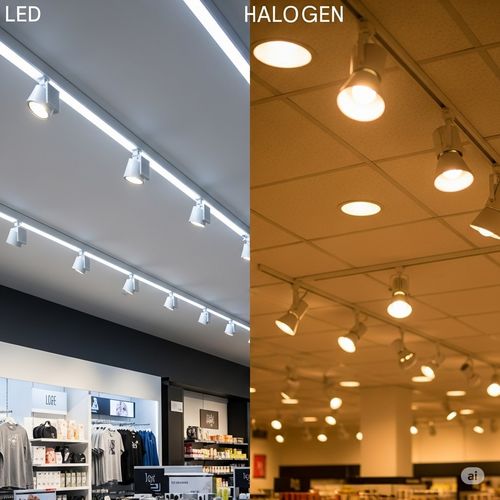
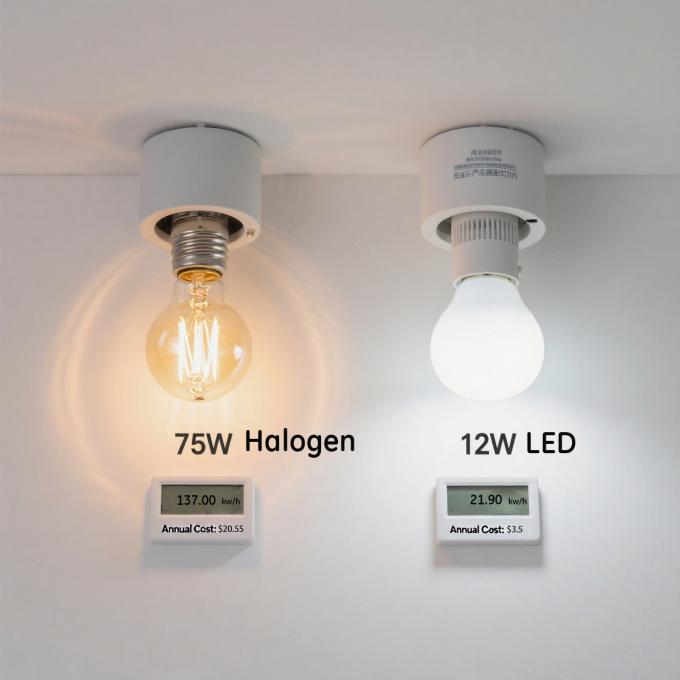
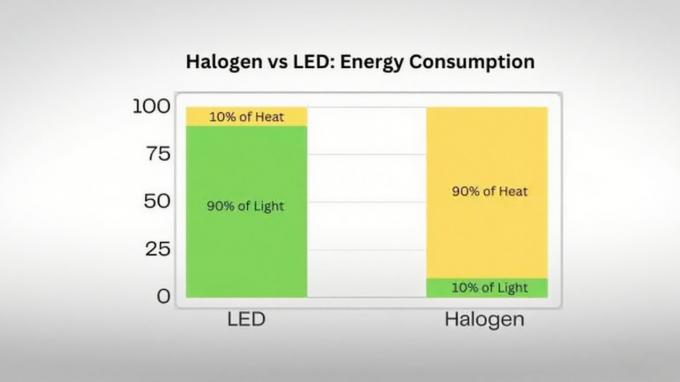
    GU10 LED bulbs outperform halogen by using up to 90% less energy, lasting 15–20 times longer, and offering precise beam control.
    Energy and Cost Savings

    Halogen GU10s waste heat. A 5W LED matches the brightness of a 50W halogen. Hotels running hundreds of spotlights save thousands per year. Restaurants reduce utility bills and free up budget for food quality. Retailers lower operating expenses while keeping stores bright.

    Long Lifespan

    GU10 LEDs can last 25,000–50,000 hours. In practical terms, that means years of lighting without interruptions. For businesses that operate daily, this is a game-changer. Staff spend less time replacing bulbs and more time serving customers.

    Versatile Light Options

    • Warm white (2700K–3000K): welcoming glow, ideal for hotels and restaurants.

    • Cool white (4000K): crisp, clean light for kitchens or retail shelves.

    • Daylight (6000K–6500K): natural brightness, perfect for showrooms.

    Safety and Comfort

    GU10 LEDs stay cool. They don’t overheat like halogens, reducing fire risks in packed commercial spaces. In crowded restaurants or hotels with heavy fabric decor, this makes a real difference.

    Why Commercial Clients Prefer GU10 LEDs

    Best GU10 LED Bulbs for Hotels, Restaurants & Retail Stores?  0

    Factor Halogen Bulb GU10 LED Bulb
    Energy Use High Very Low
    Lifespan ~1,000 hrs 25,000–50,000 hrs
    Heat Emission Hot Cool
    Dimmable Options Limited Widely Available
    Environmental Impact High CO₂ Low CO₂

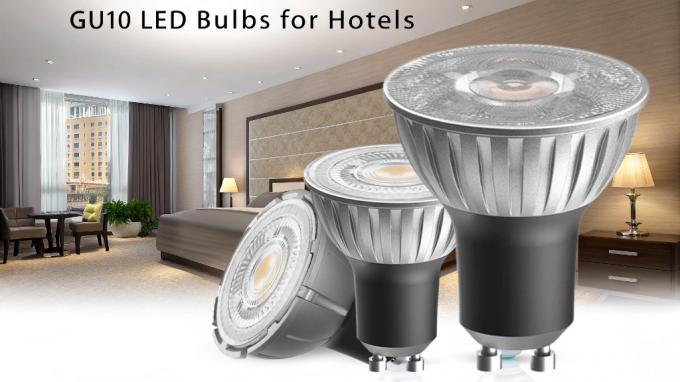
    Best GU10 LED Bulbs for Hotels?

    Best GU10 LED Bulbs for Hotels, Restaurants & Retail Stores?  1

    Guests expect comfort the moment they enter. Lighting sets the mood before they see the room.

    Warm white GU10 LEDs with dimmable features are best for hotels, creating cozy atmospheres in lobbies, hallways, and guest rooms.
    Creating a Warm and Welcoming Atmosphere

    Hotels thrive on ambiance. A cold, clinical light in a guest room ruins the experience. Instead, 2700K to 3000K GU10 LEDs mimic soft halogen glow, but without high energy bills. Dim-to-warm models can even transition between bright white for cleaning staff and cozy amber for guests.

    Recommended Hotel GU10 LEDs

    Brand Wattage Color Temp CRI Lifespan
    Philips Master 5W 2700K–3000K 90 25,000 hrs
    Osram 4.3W 3000K 85 15,000 hrs
    Sylvania 4.5W 3000K 90 25,000 hrs
    Teco 7.5W 2700K-3000K 98 40000 hrs

    Case Example

    One of my hotel clients switched 300 halogen spotlights in guest rooms to GU10 LEDs. Their energy bill dropped by nearly 60%, and guest reviews mentioned the “softer, warmer” room lighting. Staff appreciated fewer maintenance calls too.

    Best GU10 LED Bulbs for Restaurants?

    Lighting in restaurants must be flexible. Bright for setup, dim for dinner service.

    Dimmable GU10 LEDs with warm white or neutral tones create the right dining mood while saving energy.
    Why Dimming Matters in Dining

    Dinner service needs atmosphere. A dimmable GU10 LED lets staff adjust brightness to match the occasion without switching fixtures. A romantic dinner feels intimate under 2700K light, while a café brunch works better with bright 3500K.

    Recommended Restaurant GU10 LEDs

    Brand Wattage Dimmable Beam Angle Colour Temp
    Philips Expert Color 5.5W Yes 36° 2700K
    Aurora Ice 5W Yes 38° 3000K
    Energizer 5.5W Yes 36° 3000K
    Teco 5.5W Yes 36° 3000K

    Personal Observation

    I once consulted for a fine-dining restaurant that used halogens. Staff constantly replaced burnt-out bulbs, sometimes even during service. Switching to GU10 LEDs solved that and gave them soft dimming for dinner service. The owner told me customers stayed longer and ordered more wine under better lighting.

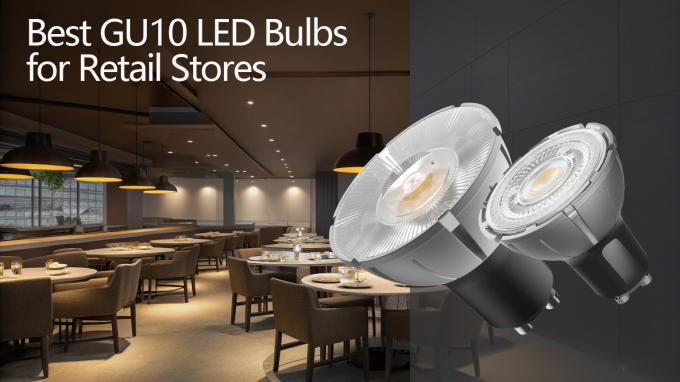
    Best GU10 LED Bulbs for Retail Stores?

    Best GU10 LED Bulbs for Hotels, Restaurants & Retail Stores?  2

    Shoppers judge products by how they look under light. Poor lighting kills sales.

    High-CRI GU10 LEDs in daylight or cool white are best for retail stores, making colors accurate and displays attractive.
    Why CRI Matters in Retail

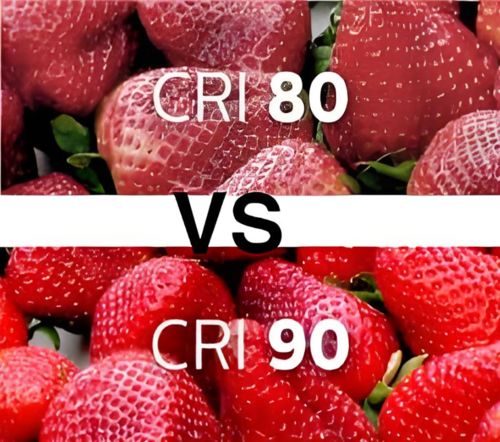
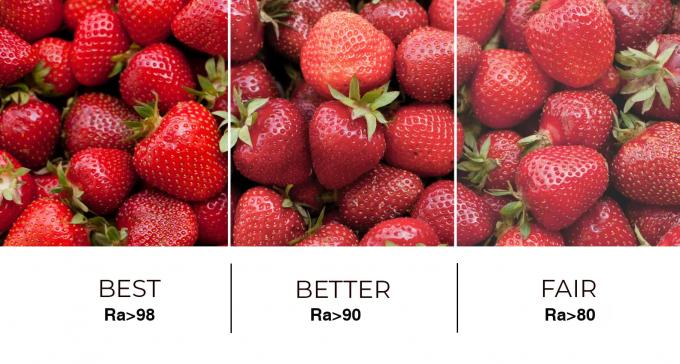
    Color Rendering Index (CRI) measures how true colors appear. For retail, CRI above 90 is essential. Clothes, jewelry, or cosmetics look vibrant and natural. Without it, reds look dull and whites look gray.

    Recommended Retail GU10 LEDs

    Brand Wattage CRI Colour Temp Use Case
    Philips Expert Color 5.5W 97 4000K–6500K Fashion & cosmetics
    Osram Ledvance 6.9W 90 4000K Electronics & showrooms
    Sylvania 5W 90 6000K Grocery & display lighting

    Case Story

    I worked with a boutique store that struggled with dull product displays. After upgrading to GU10 LEDs with CRI 97, the difference was dramatic. Customers even commented that clothes “looked better under the new lights.” The store reported higher sales on premium items.

    Comparison Table: GU10 LED Options by Application

    Application Best Colour Temp Key Features Example Brands
    Hotels 2700K–3000K Warm white, dimmable Philips, Osram
    Restaurants 2700K–3500K Dimmable, flexible Philips, Aurora
    Retail Stores 4000K–6500K High CRI, bright output Philips, Sylvania

    Key Considerations for B2B Buyers?

    Large buyers like hotel chains, restaurant groups, and retail companies must balance quality with price.

    B2B buyers should evaluate GU10 LEDs by lumen output, CRI, dimming compatibility, warranty, and bulk pricing before making procurement decisions.
    What to Check Before Ordering

    • Wattage-to-lumen ratio: Choose efficient bulbs (e.g., 5W = 50W halogen).

    • Colour temperature range: Ensure the supplier offers both warm and cool white.

    • Bulk supply & warranty: Ask for 2–3 year warranty and volume discounts.

    • Certification: CE, RoHS, or UL depending on market.

    • Supplier reliability: Late deliveries can cost seasonal sales.

    B2B Buying Pitfalls

    One of my European clients, William, once bought from a supplier who delayed shipment by two months. It cost him the holiday sales season. That’s why I stress not just bulb quality, but also supplier trustworthiness. Certifications, references, and clear contracts matter as much as lumen output.

    Conclusion

    GU10 LED bulbs cut costs, improve atmosphere, and bring out true colors. Hotels, restaurants, and retail stores can all benefit with the right choice.

  • High CRI GU10 LED Bulbs – Why Ra90 and Ra98 Matter

    High CRI GU10 LED Bulbs – Why Ra90 and Ra98 Matter

    Introduction: The Importance of High CRI in Commercial Lighting

    For commercial lighting procurement, selecting the right GU10 LED bulb involves more than lumens and energy efficiency. The Color Rendering Index (CRI) is a critical specification that directly impacts how colors appear under artificial lighting. High CRI GU10 LED bulbs, particularly those rated Ra90 and Ra98, ensure that spaces—from retail stores to hotels and galleries—display colors accurately and consistently. Choosing the right CRI level affects customer perception, product presentation, and overall visual comfort.

    In this guide, we explain CRI fundamentals, compare Ra90 vs Ra98 GU10 LEDs, and provide practical guidance on choosing high CRI lighting for various commercial applications.

    High CRI GU10 LED Bulbs – Why Ra90 and Ra98 Matter  0

    Understanding CRI: The Basics of Color Rendering

    Color Rendering Index (CRI) measures a light source’s ability to faithfully reveal the colors of objects compared to a reference light source, typically natural sunlight. The scale ranges from 0 to 100, with higher values representing more accurate color reproduction.

    CRI Value Color Accuracy Description Typical Usage
    70–79 Moderate Warehouses, storage areas
    80–89 Good Offices, general retail, hospitality
    90–100 Excellent Art galleries, jewelry stores, high-end retail, photography studios

    For GU10 LED bulbs, CRI is a crucial factor for applications where visual clarity and color fidelity are important. High CRI lighting helps customers perceive products accurately and enhances the ambiance of hospitality and commercial spaces.

    Ra90 vs Ra98: What’s the Difference?

    Both Ra90 and Ra98 GU10 LED bulbs fall into the high CRI category, but they serve different levels of color precision.

    Feature Ra90 GU10 LED Ra98 GU10 LED
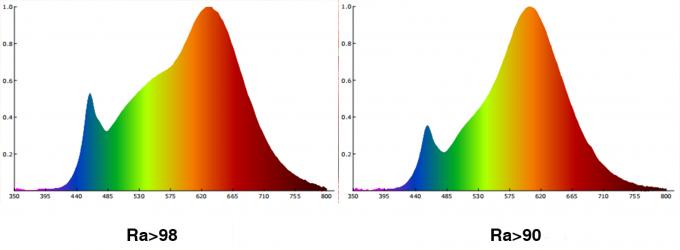
    Color Accuracy Very good, slightly less precise than Ra98 Near-perfect, highly accurate
    Visual Effect Colors appear natural and vibrant Colors appear exactly as in natural light
    Ideal Applications Hotels, restaurants, office spaces, standard retail High-end retail, art galleries, museums, photography studios
    Cost Moderate Premium
    Energy Efficiency Impact Minimal Slightly higher due to enhanced phosphor technology

    Key Points:

    • Ra90 GU10 LEDs are sufficient for most commercial spaces, providing vibrant, natural colors while keeping costs moderate.

    • Ra98 GU10 LEDs are essential for environments where perfect color fidelity is critical, such as jewelry stores, galleries, or premium hospitality settings.

    • The difference in visual perception between Ra90 and Ra98 is subtle but noticeable to trained eyes and in high-detail tasks.

    High CRI GU10 LED Bulbs – Why Ra90 and Ra98 Matter  1

    Practical Applications of High CRI GU10 LEDs

    High CRI GU10 LED bulbs improve both aesthetics and functionality across various commercial environments. Here are some common scenarios:

    1. Retail Stores

    • Objective: Showcase products with accurate colors to influence purchasing decisions.

    • Recommendation: Ra90 for general merchandise, Ra98 for high-end or color-sensitive products (e.g., jewelry, textiles).

    • Effect: Customers can discern true product colors, enhancing satisfaction and reducing returns.

    2. Hospitality

    • Objective: Create inviting, visually appealing atmospheres.

    • Recommendation: Ra90 bulbs in dining areas and guest rooms, Ra98 for artwork or specialty decor lighting.

    • Effect: Enhances perceived luxury and comfort.

    3. Art Galleries and Museums

    • Objective: Display artwork with exact color fidelity.

    • Recommendation: Ra98 GU10 LEDs are standard.

    • Effect: Visitors view artwork as intended by the artist, maintaining integrity and professionalism.

    4. Offices and Conference Rooms

    • Objective: Ensure a comfortable working environment without color distortion.

    • Recommendation: Ra90 GU10 LEDs balance natural color perception with cost-efficiency.

    • Effect: Reduces eye strain and supports accurate viewing of documents, presentations, and product samples.

    5. Photography and Studios

    • Objective: Accurate color reproduction for images and video.

    • Recommendation: Ra98 GU10 LEDs or full-spectrum options.

    • Effect: Captures true-to-life colors, essential for high-quality content creation.

    Selecting High CRI GU10 LEDs for Procurement

    For commercial procurement, choosing high CRI GU10 LED bulbs involves balancing visual quality, project requirements, and budget. Consider the following factors:

    1. Application Requirements

    • Determine if color accuracy is critical (Ra98) or if Ra90 is sufficient.

    • Assess tasks performed in the space—product evaluation, hospitality, office work, or display purposes.

    2. Energy Efficiency

    • High CRI GU10 LEDs may consume slightly more power due to phosphor technology, but modern designs maintain high luminous efficacy.

    • Choose bulbs with optimal lumens per watt for long-term energy savings.

    3. Compatibility

    • Ensure the bulb matches existing fixtures (GU10 base) and dimming controls if required.

    • High CRI bulbs must work seamlessly with commercial dimmers for mood and task lighting flexibility.

    4. Consistency Across Spaces

    • For uniformity in retail chains, hotels, or office networks, standardize CRI levels to avoid inconsistent visual experiences.

    • Mixing Ra90 and Ra98 in adjacent areas may cause noticeable visual differences.

    5. Long-Term Value

    • Investing in high CRI LEDs may have higher upfront costs but reduces product misrepresentation and enhances brand perception.

    • Longer lifespan of modern GU10 LEDs ensures lower maintenance costs.

    Summary: Why High CRI Matters

    In commercial lighting, high CRI GU10 LED bulbs directly influence customer experience, employee comfort, and product presentation. Selecting between Ra90 and Ra98 depends on application specificity, budget, and visual fidelity requirements. Ra90 GU10 LEDs suffice for general retail, hospitality, and office spaces, while Ra98 is indispensable for premium environments demanding precise color reproduction.

    Understanding CRI, its implications for color rendering, and how it aligns with your commercial objectives ensures informed procurement decisions. For a comprehensive guide on GU10 LED selection, including beam angles, color temperature, and dimming options, refer to our main article: GU10 LED Bulbs – Your Ultimate Guide to Brilliant Lighting.

  • How to Choose GU10 LED Bulbs by Color Temperature: 2700K to 6500K Explaine

    How to Choose GU10 LED Bulbs by Color Temperature: 2700K to 6500K Explaine

    Introduction: Understanding the Role of Color Temperature in Commercial Lighting

    Choosing the right GU10 LED bulb color temperature is crucial for creating optimal lighting in commercial spaces, from offices and retail stores to hotels and restaurants. Color temperature affects not only the aesthetic of a space but also employee productivity, customer perception, and energy efficiency. LED technology allows for a wide range of color temperatures, enabling designers and procurement professionals to tailor lighting to specific tasks, moods, and brand atmospheres.

    For B2B buyers and project managers, understanding the nuances of 2700K, 3000K, 4000K, 5000K, and 6500K GU10 LED bulbs is essential to ensure consistency, quality, and cost-effective performance in commercial lighting projects. This guide explains the fundamentals of color temperature, provides practical applications for each range, and offers tips for selecting the best GU10 LED bulbs for commercial use.

    Core Concepts: The Basics of GU10 LED Color Temperature

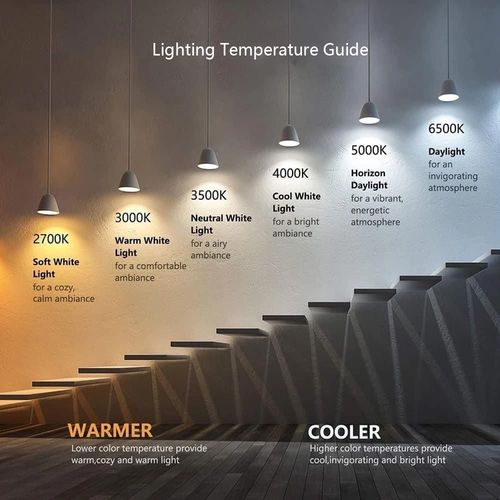
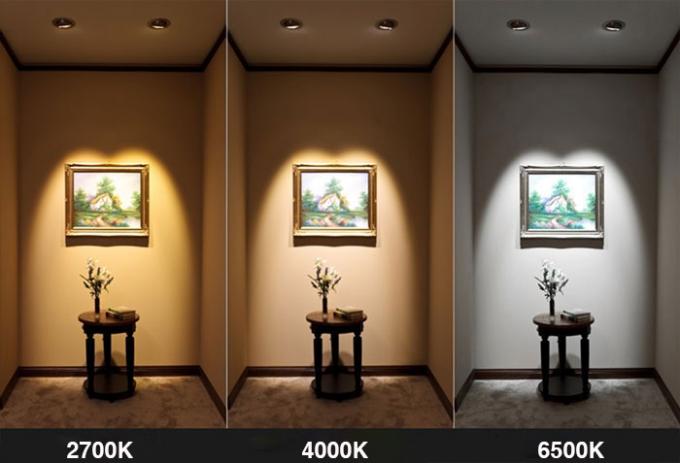
    Color temperature, measured in Kelvin (K), describes the hue and tone of light emitted by a bulb. Lower Kelvin numbers indicate warm, yellowish light, while higher numbers indicate cool, bluish light.

    Color Temperature (K) Light Appearance Typical Use in Commercial Settings
    2700K Warm White Hotels, restaurants, lounges, ambient retail lighting
    3000K Warm White Office lobbies, boutique stores, reception areas
    4000K Neutral White Offices, conference rooms, classrooms, hospitals
    5000K Cool White Warehouses, industrial workshops, commercial kitchens
    6500K Daylight Inspection areas, laboratories, high-detail retail displays

    This table helps procurement professionals quickly identify the appropriate color temperature for their commercial lighting projects.

    How to Choose GU10 LED Bulbs by Color Temperature: 2700K to 6500K Explaine  0

    Applications of Specific Color Temperatures in Commercial Spaces

    • 2700K GU10 LED Bulbs – Warm and Inviting

    Ambience: Creates a cozy, intimate atmosphere, ideal for hospitality environments.

    • Commercial Use: Restaurants, hotel lobbies, boutique retail stores.

    • Benefits: Encourages relaxation and customer dwell time, enhancing the overall experience.

    • Considerations: Too much 2700K light in workspaces may reduce alertness.

    3000K LED Bulbs – Balanced Warmth

    Ambience: Slightly cooler than 2700K while maintaining warmth.

    • Commercial Use: Office waiting areas, reception desks, cafés.

    • Benefits: Balances comfort and visibility, suitable for general areas with both staff and customer interaction.

    4000K LED Lighting – Neutral and Functional

    Ambience: Crisp and clear, without the yellow hue of warm lights or the blue tone of daylight.

    • Commercial Use: Offices, classrooms, healthcare facilities, conference rooms.

    • Benefits: Enhances concentration and task performance while providing a neutral color rendering.

    • Additional Notes: Widely used in B2B projects for consistent and professional lighting.

    5000K LED Bulbs – Cool White for Precision

    Ambience: Sharp, bright light for environments requiring high visibility.

    • Commercial Use: Warehouses, industrial workshops, commercial kitchens.

    • Benefits: Improves attention to detail and reduces errors in operational spaces.

    • Considerations: May feel too harsh for customer-facing areas; best reserved for functional tasks.

    6000K LED Lighting – Daylight Accuracy

    Ambience: High-intensity, bluish light resembling natural daylight.

    • Commercial Use: Inspection zones, laboratories, retail displays requiring true color rendering.

    • Benefits: Enhances color discrimination, critical for quality control and product evaluation.

    • Considerations: Overuse in offices or hospitality can create fatigue; often combined with warmer lighting for balance.

    How to Choose GU10 LED Bulbs by Color Temperature: 2700K to 6500K Explaine  1

    Selecting the Right GU10 LED Bulb by Color Temperature

    For commercial procurement, choosing the correct color temperature involves more than personal preference. Consider the following factors:

    • Task vs Ambient Lighting: Identify areas requiring high visibility versus those focused on comfort and ambiance.

    • Customer Experience: Hospitality and retail lighting should create a welcoming atmosphere; overly cool lighting may detract from experience.

    • Consistency Across Fixtures: Ensure all bulbs in a zone share the same color temperature to avoid visual inconsistency.

    • Energy Efficiency: GU10 LED bulbs with higher lumens per watt maintain brightness at lower power consumption.

    • Compatibility: Verify dimmable options and dimmer switch compatibility for zones requiring variable lighting levels.

    Additional Tips for B2B Lighting Procurement

    • Check CRI (Color Rendering Index): A CRI of 80+ is generally recommended for commercial areas, while 90+ is ideal for retail or hospitality where accurate color perception is critical.

    • Plan for Dimming: Many commercial areas benefit from dimmable GU10 LED bulbs; ensure compatibility with dimmer controls.

    • Standardize Across Projects: For large-scale projects, maintain the same color temperature across multiple locations to simplify maintenance and avoid visual inconsistency.

    • Energy Codes and Standards: Always confirm that selected bulbs comply with local energy regulations and sustainability initiatives.

    For more detailed guidance on GU10 LED selection, refer to the GU10 LED Bulbs – Your Ultimate Guide to Brilliant Lighting for comprehensive insights on dimming, beam angles, and energy efficiency.

    Conclusion: Making Informed GU10 LED Color Temperature Decisions

    Understanding GU10 LED bulb color temperature is vital for B2B buyers, project managers, and lighting engineers who are tasked with creating functional, appealing, and energy-efficient commercial environments. Selecting the right temperature ensures not only optimal visibility and productivity but also enhances customer satisfaction and brand perception.

    From warm 2700K lighting that fosters comfort in hospitality areas to 6000K daylight LEDs for precision work in warehouses, each choice serves a specific purpose. By leveraging the insights in this guide, commercial buyers can confidently select GU10 LEDs that meet the visual, functional, and operational needs of their projects.

    For a deeper dive into GU10 LED selection, including beam angles, dimming, and energy efficiency, visit the main guide: GU10 LED Bulbs – Your Ultimate Guide to Brilliant Lighting.

  • GU10 LED Beam Angles Explained – Spot vs Flood Applications

    GU10 LED Beam Angles Explained – Spot vs Flood Applications

    Introduction: Understanding the Impact of Beam Angles in Commercial Lighting

    Lighting design is essential in commercial spaces, impacting both functionality and ambiance. For procurement managers and project engineers, choosing the right GU10 LED bulbs involves more than selecting brightness or color temperature. One of the most critical factors is the beam angle, which determines how light is distributed within a space.

    Beam angle affects the concentration, spread, and uniformity of illumination, directly influencing energy efficiency, visual comfort, and customer experience. In retail, hotels, restaurants, or office spaces, the difference between a spotlight effect and a floodlight effect can significantly change how a room feels and how products or architectural features are highlighted.

    This guide explains GU10 LED beam angles, compares spot vs flood applications, and offers insights for commercial lighting decision-making.

    Understanding GU10 LED Beam Angles

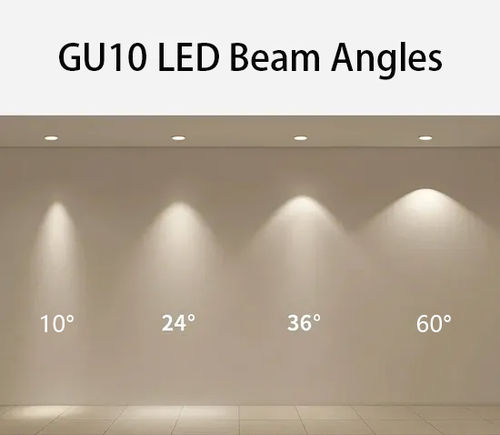
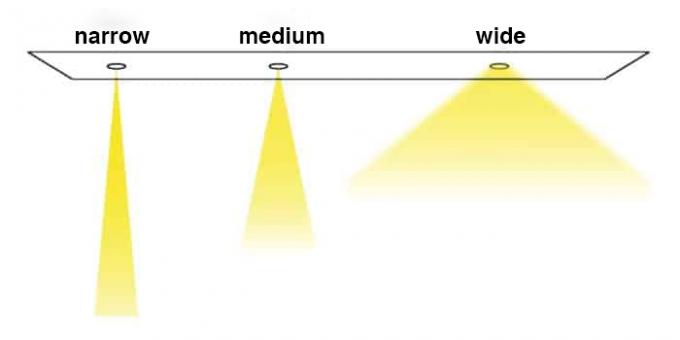
    A GU10 LED beam angle refers to the spread of light emitted from the bulb, measured in degrees. A narrow angle produces a concentrated beam, while a wide angle distributes light broadly.

    Beam Type Beam Angle (°) Light Distribution Typical Use
    Narrow / Spot 15–35 Focused, high-intensity Accent lighting, display highlights
    Medium 36–60 Balanced focus and spread General spotlighting, task lighting
    Wide / Flood 60+ Broad, even coverage Ambient lighting, large open areas

    Beam angle is determined by the LED chip type, lens design, and reflector configuration. Proper selection ensures optimal lighting performance, minimizes glare, and reduces wasted energy.

    GU10 LED Beam Angles Explained – Spot vs Flood Applications  0

    Spot vs Flood GU10 LEDs: Key Differences

    The following table compares spot vs flood GU10 LEDs for quick reference:

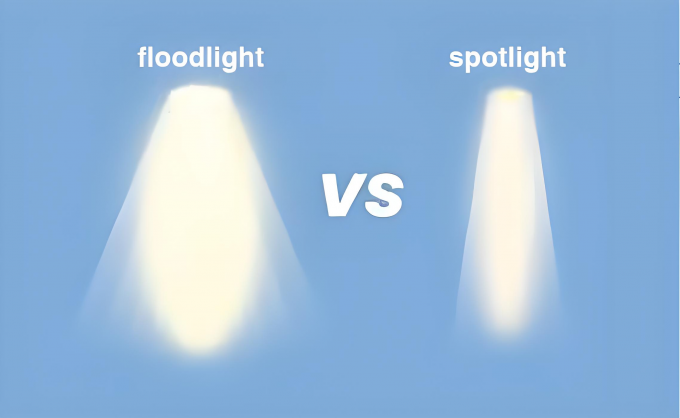
    Feature Spot GU10 LED Flood GU10 LED
    Beam Angle 10–36° 60°+
    Light Distribution Concentrated, intense Broad, uniform
    Primary Use Accent lighting, artwork, product highlighting Ambient lighting, large areas, office floors
    Advantages Focused effect, highlights details, reduces wasted light Even illumination, reduces dark spots, suitable for general areas
    Considerations Not for ambient lighting; can cause shadows Less suitable for specific highlights

    GU10 LED Beam Angles Explained – Spot vs Flood Applications  1

    Applications of GU10 Beam Angles in Commercial Spaces

    Commercial Space Spot GU10 Use Flood GU10 Use Example Color Temp
    Hotels Highlight artwork, reception features General lobby and corridor illumination 2700K–3000K (spot), 3500K–4000K (flood)
    Restaurants Accent tables, display shelves Kitchen and bar general lighting 2700K warm spots, neutral floodlights
    Retail Stores Featured products, mannequins General aisle and floor lighting Narrow 24° spot, wide 60° flood
    Offices / Conference Rooms Task lighting on desks or tables Open-plan ambient lighting 4000K neutral flood, medium beam spots for tasks

    [Image Placeholder 3: Commercial space illuminated with spot and flood GU10 LEDs. Alt text: “GU10 LED lighting in hotel lobby/retail showing spot and flood beams.” Image caption: “Strategic use of spot and flood GU10 LEDs enhances accent and ambient lighting.”]

    Beam Angle Selection Guide for B2B Buyers

    • Define Lighting Objective: Accent, task, or ambient.

    • Measure Distance to Target: Narrow spots for distant focal points; wide floods for broad coverage.

    • Spacing and Overlap: Ensure even lighting, avoid dark spots or glare.

    • Lumen Output & Color Temperature: Higher lumens for narrow spots; match color temperature with design intent.

    • Dimmability & Controls: Especially useful for restaurants and hospitality; dimmable GU10 LEDs offer flexibility.

    • Energy Efficiency & Compliance: Choose CE, RoHS, or UL-certified commercial LEDs to reduce operational costs and meet regulations.

    Pro Tip: Use lighting simulation software or consult a lighting designer for complex layouts.

    Common Mistakes and How to Avoid Them

    Mistake Result Solution
    Using narrow spots as ambient light Uneven illumination, eye strain Use wide floods for general lighting
    Overlapping wide floods excessively Glare, wasted energy Plan spacing and beam spread carefully
    Ignoring CRI Distorted colors affecting product appearance Select high CRI (≥90) LEDs
    Mismatched dimmers Flickering or buzzing Verify dimmer compatibility with LED bulbs

    Conclusion: Optimizing GU10 LED Beam Angles for Commercial Projects

    The beam angle of GU10 LED bulbs is crucial in commercial lighting, influencing both visual impact and energy efficiency. Understanding the difference between spot and flood applications allows B2B buyers and engineers to:

    • Maximize energy efficiency

    • Enhance visibility for products or architectural features

    • Create the desired ambiance in hotels, restaurants, retail, and offices

    Careful evaluation of beam spread, lumen output, color temperature, and dimming requirements ensures informed decisions that optimize performance and reduce operational costs.

    For a comprehensive understanding of GU10 LED technology and additional guidance on commercial projects, see our main guide: GU10 LED Bulbs – Your Ultimate Guide to Brilliant Lighting.

  • 5 Common Mistakes When Buying LED Bulbs from China

    5 Common Mistakes When Buying LED Bulbs from China

    China is the world’s largest hub for LED lighting production, with thousands of factories manufacturing a vast range of LED bulbs for residential, commercial, and industrial applications. From energy-efficient GU10 spotlights to high-output PAR bulbs, buyers around the globe look to China for cost-effective and innovative lighting solutions.

    However, sourcing LED bulbs from overseas is not always straightforward. Many importers, wholesalers, and project contractors face difficulties when selecting suppliers, negotiating contracts, and ensuring quality. Avoiding these challenges requires careful planning and the right knowledge.

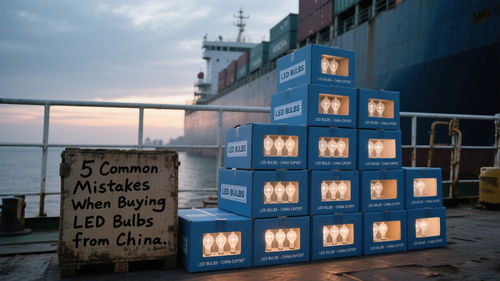
    In this article, we will highlight the 5 common mistakes when buying LED bulbs from China and provide actionable LED bulb sourcing tips to help international buyers secure reliable products and partnerships.

    Why Buyers Source LED Bulbs from China

    Before exploring common pitfalls, it is important to understand why so many businesses continue to source lighting products from China:

    • Cost Advantage – Competitive manufacturing costs make China attractive for bulk LED bulb orders.

    • Wide Product Range – From household A60 bulbs to specialized MR16, PAR, and GU10 spotlights, buyers can source virtually any type of bulb.

    • Strong R&D – Many factories offer ODM and OEM services, providing LED bulb customization for specific projects.

    • Mature Supply Chain – China’s well-developed network of LED chip suppliers, driver manufacturers, and housing producers reduces lead times.

    • Export Experience – Chinese lighting manufacturers are familiar with global certifications such as CE, RoHS, UL, and CB.

    Yet despite these advantages, mistakes in sourcing can lead to wasted investment, shipping delays, or damaged reputations.

    Mistake 1: Choosing Price Over Quality

    One of the biggest mistakes when buying LED bulbs from China is focusing solely on the lowest price.

    Why It Happens

    Many first-time buyers assume that all LED bulbs are the same and that choosing the cheapest supplier will maximize profits. However, not all factories maintain the same level of quality control or use the same grade of LED chips and drivers.

    Risks Involved

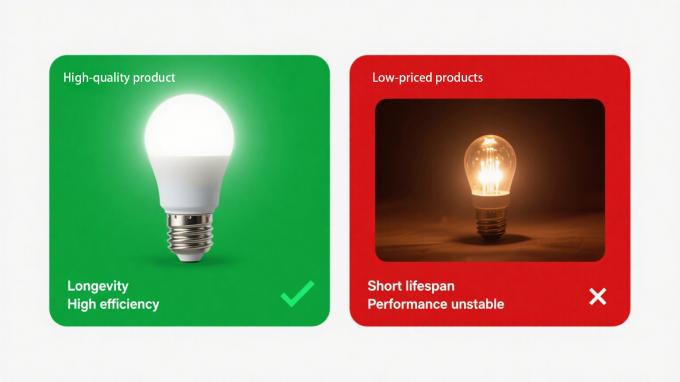
    • Shorter Lifespan: Low-cost bulbs may last less than 5,000 hours compared to premium bulbs rated for 25,000–40,000 hours.

    • Flickering and Glare: Cheap drivers often result in unstable lighting performance.

    • Non-Compliance: Products without CE, UL, or RoHS certification may be seized at customs or rejected by local markets.

    • Brand Damage: Poor performance leads to dissatisfied customers and negative reviews.

    LED Bulb Sourcing Tips

    • Request detailed product specifications and compare beyond price, such as lumen output, CRI, and beam angle.

    • Verify the brand of LED chips (e.g., Cree, Osram, Philips Lumileds) and driver suppliers.

    • Choose factories with proven quality certifications and strong track records in exporting.

    5 Common Mistakes When Buying LED Bulbs from China  0

    Mistake 2: Ignoring Supplier Verification

    Another common mistake when buying LED bulbs in China is failing to thoroughly check the legitimacy of the supplier.

    Why It Happens

    With thousands of suppliers listed online, it is easy for buyers to assume that a professional-looking website equals a trustworthy manufacturer.

    Risks Involved

    • Trading Companies vs. Factories: Many “manufacturers” are actually trading companies with limited control over production.

    • Fake Certifications: Some suppliers display copied or expired CE/UL documents.

    • Scams: A few fraudulent companies may disappear after receiving deposits.

    LED Bulb Sourcing Tips

    • Request the business license and verify with local government databases.

    • Check whether the supplier is a factory or trading company. Factories usually allow factory visits or video calls to show facilities.

    • Ask for customer references or case studies of previous export projects.

    • Verify certification authenticity directly with the issuing body.

    Mistake 3: Overlooking Compliance and Certification

    Different regions impose strict rules on lighting imports. Ignoring certification requirements is one of the most costly mistakes when sourcing LED bulbs.

    Why It Happens

    Buyers, especially new importers, may not be fully aware of local compliance standards.

    Risks Involved

    • Customs Delays: Non-compliant products may be held or destroyed.

    • Legal Penalties: Selling uncertified LED bulbs may result in fines or lawsuits.

    • Loss of Market Access: Retailers or distributors may refuse to handle uncertified goods.

    LED Bulb Sourcing Tips

    • For the European Union: Ensure CE and RoHS compliance.

    • For North America: UL, ETL, or Energy Star certifications may be required.

    • For Middle East and Asia: CB, SASO, or BIS may apply.

    • Request test reports from recognized labs (e.g., TUV, Intertek, SGS).

    • Always confirm certification validity before shipping.

    Mistake 4: Misunderstanding MOQ and Lead Times

    A frequent issue buyers face is not fully clarifying the minimum order quantity (MOQ) and production timelines.

    Why It Happens

    New buyers may assume suppliers will accept small orders or provide immediate shipping.

    Risks Involved

    • Unexpected Costs: Factories may charge high prices for small batch production.

    • Delays in Projects: Large orders without proper lead time planning may result in project setbacks.

    • Unrealistic Expectations: Buyers expecting immediate delivery may be disappointed when custom products require tooling and production.

    LED Bulb Sourcing Tips

    • Ask suppliers upfront about MOQ for standard and customized orders.

    • Clarify sample order policies—many factories provide paid samples.

    • Confirm lead times for prototypes, certification, and bulk orders.

    • Build a buffer period into your project schedule to avoid costly delays.

    Mistake 5: Neglecting After-Sales and Warranty Support

    A final common mistake is failing to secure clear agreements on after-sales service and warranty.

    Why It Happens

    Buyers often focus on price and production, neglecting what happens if products fail after delivery.

    Risks Involved

    • High Replacement Costs: Without warranty agreements, buyers must cover all replacement expenses.

    • Customer Dissatisfaction: Faulty bulbs can damage relationships with end clients.

    • Disputes with Suppliers: Lack of a written warranty policy makes problem resolution difficult.

    LED Bulb Sourcing Tips

    • Always request a written warranty policy. Standard warranties range from 2–5 years depending on materials.

    • Clarify replacement or credit terms for defective units.

    • Ask whether the factory provides spare parts or technical guidance.

    • Ensure the supplier has a customer service team fluent in English and responsive to inquiries.

    Additional Tips for Smooth LED Bulb Sourcing

    Beyond avoiding the five key mistakes, here are further best practices:

    • Visit Factories or Arrange Third-Party Audits: Seeing production lines firsthand provides confidence.

    • Negotiate Payment Terms Carefully: Secure deposits are common, but balance payments should be tied to inspections.

    • Use Clear Contracts: Define specifications, warranties, and penalties for delays.

    • Maintain Regular Communication: Weekly updates help track progress and prevent surprises.

    • Plan for Long-Term Cooperation: Building strong relationships reduces costs and improves service over time.

    Conclusion

    Buying LED bulbs from China offers tremendous opportunities, but it also presents risks if buyers make the wrong choices. The 5 common mistakes when buying LED bulbs China—focusing only on price, skipping supplier verification, ignoring certification, misunderstanding MOQ and lead times, and neglecting warranty support—can all be avoided with careful planning.

    By following the LED bulb sourcing tips outlined in this article, international buyers can build reliable partnerships, secure high-quality products, and expand their market presence with confidence.

  • ODM LED Spotlight Manufacturer in China: What Buyers Should Ask

    ODM LED Spotlight Manufacturer in China: What Buyers Should Ask

    In today’s global lighting market, overseas buyers are increasingly looking for direct partnerships with an ODM LED spotlight manufacturer in China. The reason is simple: working with a factory that offers LED bulb customization ensures tailored product solutions, faster turnaround, and better cost efficiency. However, buyers often face uncertainty—what should you ask, how do you evaluate a manufacturer, and what makes a reliable partner?

    This article serves as a comprehensive guide for importers, wholesalers, distributors, and project contractors who are considering ODM (Original Design Manufacturing) partnerships with Chinese LED spotlight factories. We will walk through the entire customization process, highlight key questions buyers should raise, and offer practical tips for building sustainable cooperation.

    ODM LED Spotlight Manufacturer in China: What Buyers Should Ask  0

    Understanding ODM in the LED Lighting Industry

    ODM (Original Design Manufacturing) refers to a business model where the manufacturer is responsible for product design, development, and mass production, while the buyer can brand the products under their own label.

    In the LED spotlight market, ODM services are particularly attractive because lighting is a technology-driven industry, where innovation in beam angle, heat dissipation, color rendering, and smart control systems plays a critical role in competitiveness. Buyers who lack R&D resources rely on an ODM LED spotlight manufacturer to create unique, market-ready products.

    Why ODM Is Different from OEM

    • OEM (Original Equipment Manufacturing): Buyer provides the design, factory only produces.

    • ODM: Factory designs and produces, buyer leverages factory’s innovation.

    For buyers without internal design teams, ODM is the best path to offer differentiated LED spotlights without heavy upfront investment in R&D.

    The Rising Demand for Customized LED Spotlights

    The global demand for customized LED spotlights is fueled by multiple factors:

    • Commercial Projects Require Tailored Lighting
      Architects and interior designers increasingly specify precise beam angles, CRI levels, and dimming features. Standard products often do not meet these requirements.

    Brand Differentiation in Competitive Markets
    Distributors and wholesalers need unique products that stand out. ODM ensures they are not selling the same generic bulbs as everyone else.

    • Energy Efficiency Regulations
      Different regions (EU, US, Middle East) impose unique energy and safety standards. ODM manufacturers can customize certifications and product compliance.

    Smart Lighting Integration
    With the rise of IoT, many buyers now request smart-enabled spotlights compatible with Google Home, Alexa, or Zigbee systems.

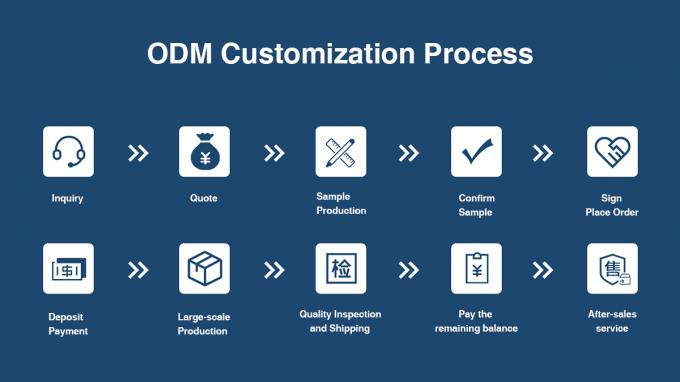
    Step-by-Step ODM LED Spotlight Customization Process

    Understanding the ODM workflow helps buyers evaluate whether a manufacturer can meet their needs. A typical process includes:

    1. Requirement Collection

    The first step is communication. Buyers must clarify:

    • Desired wattage, lumen output, and beam angle

    • Housing material (die-cast aluminum, plastic-aluminum, glass)

    • Dimming compatibility (Triac, 0-10V, DALI, smart control)

    • Certification needs (CE, RoHS, CB, UL)

    • Packaging and branding details

    2. Product Concept and Design

    The factory’s R&D team will:

    • Draft initial designs based on buyer requirements

    • Provide technical drawings and 3D renderings

    • Suggest cost-effective alternatives

    3. Prototype and Sample Testing

    Samples are produced and shipped to the buyer for evaluation. At this stage, buyers should:

    • Test brightness, color accuracy, and heat dissipation

    • Check packaging quality and labeling accuracy

    • Validate dimming and smart control features

    4. Tooling and Pre-Production

    For unique housings, manufacturers may create molds. This requires investment but ensures product exclusivity.

    5. Certification and Compliance

    A trustworthy ODM manufacturer helps secure the necessary certifications:

    • CE, RoHS for Europe

    • ETL, UL for North America

    • CB for global markets

    6. Mass Production

    Once samples are approved, large-scale production begins. Buyers should monitor:

    • Production timeline

    • Quality control checkpoints

    • Supply chain stability for LEDs, drivers, and housings

    7. Packaging and Branding

    ODM allows full customization of retail boxes, instruction manuals, and even barcodes to match buyer branding.

    8. Logistics and After-Sales

    Factories coordinate shipping via sea, air, or rail. Reliable after-sales service ensures replacement and warranty support.

    ODM LED Spotlight Manufacturer in China: What Buyers Should Ask  1

    What Buyers Should Ask Before Choosing an ODM LED Spotlight Manufacturer

    When evaluating a potential partner, overseas buyers should prepare a checklist of critical questions. These questions reduce risks and help identify whether a factory is professional and reliable.

    Questions on Product Capabilities

    • Can you design LED spotlights with specific beam angles (10°, 24°, 36°, 60°)?

    • What range of CRI (Color Rendering Index) can you provide?

    • Do you offer dimming options such as Triac, 0-10V, or DALI?

    • Are smart lighting features (Wi-Fi, Bluetooth, Zigbee) available?

    Questions on R&D and Customization

    • How many engineers are in your R&D team?

    • Can you assist in industrial design and optical engineering?

    • Do you support “dim-to-warm” or tunable white solutions?

    Questions on Certification and Quality

    • Which certifications have your products already passed?

    • Can you provide CB test reports and CE/UL/ETL documents?

    • What is your defect rate and how do you manage quality control?

    Questions on Production Capacity

    • What is your monthly production output?

    • What is your lead time for new tooling and mass production?

    • Do you maintain stable suppliers for LED chips and drivers?

    Questions on Pricing and Contracts

    • Do you provide tiered pricing based on order volume?

    • What is your MOQ (Minimum Order Quantity)?

    • How do you handle payment terms and currency fluctuations?

    Questions on After-Sales and Warranty

    • What is your warranty period for aluminum, plastic, and glass models?

    • Do you provide spare parts or replacements for defective units?

    • How is after-sales support managed for international clients?

    ODM LED Spotlight Manufacturer in China: What Buyers Should Ask  2

    Key Advantages of Working with a Chinese ODM LED Spotlight Manufacturer

    • Comprehensive Product Range
      Chinese factories can offer GU10, MR16, AR111, PAR series, covering both residential and commercial needs.

    Cost Efficiency
    Due to economies of scale, Chinese ODM manufacturers often deliver competitive pricing compared to other regions.

    • Fast Customization
      Prototypes can be completed within 2–4 weeks, enabling quicker product launches.

    Flexible Order Volumes
    Many factories accept small trial orders before scaling up, reducing risk for buyers.

    • Integrated Supply Chains
      Access to LED chips, drivers, and housings in the same region reduces lead time.

    Common Challenges and How to Avoid Them

    Even with advantages, buyers must remain cautious.

    • Overpromising Factories: Some claim advanced customization but only offer OEM services. Solution: request sample verification before contracts.

    • Quality Inconsistency: Different batches may vary. Solution: insist on third-party inspections.

    • Hidden Costs: Tooling fees and certification costs may arise unexpectedly. Solution: request full cost breakdown in advance.

    • Language and Communication Barriers: Misunderstandings may delay projects. Solution: choose manufacturers with fluent international sales teams.

    ODM LED Spotlight Manufacturer in China: What Buyers Should Ask  3

    Practical Tips for Successful Cooperation

    • Start with a Pilot Project
      Place a small ODM order first to test quality and communication.

    Request Transparent Documentation
    Ensure every product has proper test reports and certifications.

    • Build Long-Term Partnerships
      Continuous cooperation leads to better credit terms, priority support, and co-development opportunities.

    Visit the Factory (if possible)
    On-site audits reveal the real production capabilities beyond brochures.

    Future Trends in ODM LED Spotlight Manufacturing

    • Smart Control Integration: Expect more ODM spotlights compatible with mobile apps and voice assistants.

    • Sustainability: Eco-friendly housings and recyclable packaging will become standard.

    • Higher CRI and Efficiency: Advances in LED chips will push CRI values closer to natural daylight with lower power consumption.

    • Customization as Standard: In the future, most international buyers will expect ODM support as a basic offering, not a premium service.

    Conclusion

    Partnering with an ODM LED spotlight manufacturer in China can unlock tremendous opportunities for overseas buyers. From design innovation to energy compliance and branding, ODM services enable businesses to bring unique lighting products to market without building their own R&D infrastructure.

    The key is to ask the right questions—about capabilities, certifications, pricing, and after-sales support—before committing to a partnership. With proper due diligence and transparent cooperation, buyers can achieve successful LED bulb customization projects that enhance competitiveness in their markets.

  • The Ultimate Guide: LED Replacement for Halogen Bulbs in Commercial Lighting Projects

    The Ultimate Guide: LED Replacement for Halogen Bulbs in Commercial Lighting Projects

    Introduction: Why LED Retrofits Are Essential for Commercial Spaces

    Replacing halogen bulbs with LED alternatives has become a priority for commercial projects worldwide. From office buildings and retail stores to hotels and industrial warehouses, commercial LED retrofits offer significant benefits in energy efficiency, operational cost savings, and lighting quality. Halogen lamps, though widely used in the past, are increasingly inefficient, generating excessive heat and consuming high amounts of electricity.

    For project managers, procurement specialists, and international buyers, understanding how to replace halogen bulbs with LED is crucial to make informed investment decisions. This guide provides an in-depth overview, covering technical considerations, compatibility checks, cost analysis, and real-world applications.

    Understanding Halogen Bulbs and Their Limitations

    Halogen bulbs are a type of incandescent lighting that uses halogen gas to increase efficiency and lifespan compared to traditional incandescent lamps. Common types in commercial spaces include MR16, GU10, and PAR16/PAR20. While halogens offer good color rendering and instant-on performance, they come with several disadvantages:

    • High Energy Consumption: A typical 50W halogen lamp consumes around 50 watts of power, producing significant energy costs over time.

    • Short Lifespan: Halogen bulbs typically last between 2,000–3,000 hours, requiring frequent replacements in commercial settings.

    • Excessive Heat: Up to 90% of the energy is converted to heat rather than visible light, increasing air conditioning loads and posing fire risks in certain applications.

    External reference: For more detailed comparisons of halogen vs LED energy usage, see Energy Star Commercial Lighting Guidelines.

    Benefits of Switching to LED in Commercial Projects

    LED technology has advanced to a point where it reliably replaces halogen bulbs in virtually all commercial lighting fixtures. Key benefits include:

    • Energy Efficiency:
      LED replacements consume as little as 4–10W while producing the same lumen output as 35–50W halogen bulbs, reducing energy use by up to 80%.

    Extended Lifespan:
    Commercial-grade LED bulbs last 25,000–50,000 hours, decreasing maintenance labor and replacement costs.

    • Reduced Heat Output:
      LEDs convert most energy into visible light rather than heat, improving HVAC efficiency and workplace comfort.

    Improved Color Quality and Control:
    Modern LEDs offer high CRI (≥90), available in multiple color temperatures (2700K–6500K), and dimmable options compatible with trailing-edge dimmers.

    • Eco-Friendly and Compliant:
      LEDs are free from mercury, produce fewer CO2 emissions, and comply with EU, UL, and RoHS standards, helping companies meet sustainability targets.

    The Ultimate Guide: LED Replacement for Halogen Bulbs in Commercial Lighting Projects  0

    Types of LED Bulbs for Halogen Fixtures

    Choosing the right LED replacement for halogen fixtures requires understanding different LED types:

    • MR16 LED Bulbs:
      Ideal for spotlights and track lighting. Available in 12V and 24V versions; ensure compatibility with existing transformers or use mains-voltage MR16 LEDs.

    GU10 LED Bulbs:
    Direct 230V replacements for GU10 halogen spotlights. They are commonly used in downlights and ceiling fixtures.

    • PAR16/PAR20 LED Bulbs:
      Provide wider beam angles for general lighting and accent applications in retail and hospitality spaces.

    Dimmable vs Non-Dimmable LEDs:
    Some projects require adjustable lighting intensity. Always verify dimmer compatibility and check whether bulbs support leading-edge or trailing-edge dimmers.

    External reference: For an overview of LED bulb types and specifications, see Philips Commercial LED Products.

    The Ultimate Guide: LED Replacement for Halogen Bulbs in Commercial Lighting Projects  1

    Technical Considerations for Halogen-to-LED Conversion

    Before starting a commercial retrofit, consider these technical factors:

    • Voltage Compatibility:
      Halogen lamps can be low-voltage (12V) or mains voltage (230V). Replacing 12V halogens may require either compatible LED MR16 low-voltage bulbs or upgrading the transformer.

    Beam Angle and Lighting Design:
    Narrow beams (15°–30°) are suited for accent lighting; wider beams (40°–60°) for ambient illumination. Proper beam selection ensures even light distribution and avoids dark spots.

    • Fixture Size and Heat Dissipation:
      Check the physical dimensions and heat management requirements. LEDs are more sensitive to heat than halogens, so bulbs with integrated heat sinks are recommended.

    Color Temperature Selection:
    Choose warm white (2700K–3000K) for hospitality areas, neutral white (4000K) for office spaces, and cool white (5000K–6500K) for warehouses and task lighting.

    • Certifications and Compliance:
      Verify CE, RoHS, UL, or ENEC certifications to meet safety and procurement standards for commercial projects.

    Energy and Cost Analysis

    Commercial buyers often prioritize return on investment (ROI) when considering LED replacements. Here’s a typical calculation:

    • Energy Savings: Replacing a 50W halogen MR16 bulb with a 7W LED can save 43W per bulb. For a store with 200 bulbs, running 10 hours/day:

    43W × 200 bulbs × 10 hours/day × 365 days ≈ 31,390 kWh/year saved

    • *

    At 0.12/kWh, annual savings ≈3,766.

    • Maintenance Savings: Halogens last ~2,000 hours; LEDs last ~25,000 hours. For a project with 200 bulbs:

    200 × (25,000 ÷ 2,000) ≈ 2,500 fewer replacements over LED lifespan

    Payback Period: Typically 6–18 months depending on electricity rates and maintenance costs.

    External reference: See US Department of Energy: LED Retrofit Savings Calculator.

    The Ultimate Guide: LED Replacement for Halogen Bulbs in Commercial Lighting Projects  2

    Installation Best Practices for Commercial Retrofits

    To ensure a smooth retrofit:

    • Audit Existing Fixtures: Identify all halogen fixtures, their voltage type, beam angles, and dimming requirements.

    • Select Compatible LED Bulbs: Confirm voltage, size, base type, dimmer compatibility, and beam angle.

    • Plan Installation Phases: For large commercial sites, consider phased installation to minimize downtime.

    • Verify Electrical Load: Ensure transformers or drivers are compatible; avoid overloading circuits.

    • Test Sample Bulbs: Install a small batch to assess brightness, color, and dimming performance before full rollout.

    Case Studies: Real-World Commercial LED Retrofits

    • Retail Chain: 500 GU10 halogen downlights replaced with 7W dimmable LED equivalents. Results: 75% energy reduction, improved display illumination, and reduced maintenance.

    Office Building: 1,200 MR16 halogen spotlights retrofitted with 6W MR16 LEDs. Outcomes: Lower energy bills, consistent light levels, enhanced employee comfort.

    • Hotel Lobby: Halogen PAR20 accent lights replaced with 8W dimmable PAR20 LEDs, maintaining aesthetic warmth while reducing operating costs by $5,000/year.

    External reference: For additional retrofit case studies, visit LED Professional Network.

    The Ultimate Guide: LED Replacement for Halogen Bulbs in Commercial Lighting Projects  3

    B2B Procurement Considerations

    When sourcing LED replacements internationally:

    • Supplier Evaluation: Check for CE/UL/ROHS certifications, production capacity, export experience, and warranty terms.

    • OEM/ODM Options: Large projects may require custom packaging, branded labels, or specific lumen outputs.

    • Logistics: Verify shipping methods, lead times, customs documentation, and after-sales support.

    • Bulk Purchasing: Evaluate pricing tiers for high-volume orders and factor in shipping costs.

    The Ultimate Guide: LED Replacement for Halogen Bulbs in Commercial Lighting Projects  4

    Future Trends in Commercial LED Retrofits

    • Smart Controls: Integration with DALI, Zigbee, or Wi-Fi for remote monitoring, scheduling, and dimming.

    • Adaptive Lighting: LEDs capable of adjusting color temperature automatically according to time of day.

    • Sustainability Standards: Compliance with evolving energy regulations (e.g., EU ErP, AS/NZS standards) for large-scale projects.

    • Enhanced Optics: Improved beam shaping and anti-glare technology for precise illumination in retail and hospitality.

    The Ultimate Guide: LED Replacement for Halogen Bulbs in Commercial Lighting Projects  5

    Conclusion: Making the Right Choice

    Switching from halogen to LED in commercial lighting projects is no longer optional — it is a strategic decision that reduces costs, enhances lighting quality, and supports sustainability goals. By carefully selecting the correct LED type, ensuring compatibility with fixtures and dimmers, and considering real-world energy and maintenance savings, B2B buyers can maximize ROI and future-proof their lighting systems.

    Whether the project involves offices, retail stores, hotels, or industrial warehouses, a well-planned LED retrofit guarantees long-term value, safer operation, and improved visual comfort. Combining technical understanding, strategic procurement, and trusted suppliers, commercial LED replacements deliver measurable benefits that far exceed the initial investment.